My childhood home had a garden that smelled like crushed mint and damp earth after a rain. My dad would let me dig in the soil with my hands, and I spent more time pulling weeds than planting seeds—though somehow, the tomatoes always grew. Now, I run this site to share the lessons I’ve learned: how to coax life from stubborn soil, how to troubleshoot a wilting plant, and why sometimes the best harvests come from mistakes. Gardening isn’t about perfection; it’s about patience, curiosity, and the quiet joy of watching something grow.
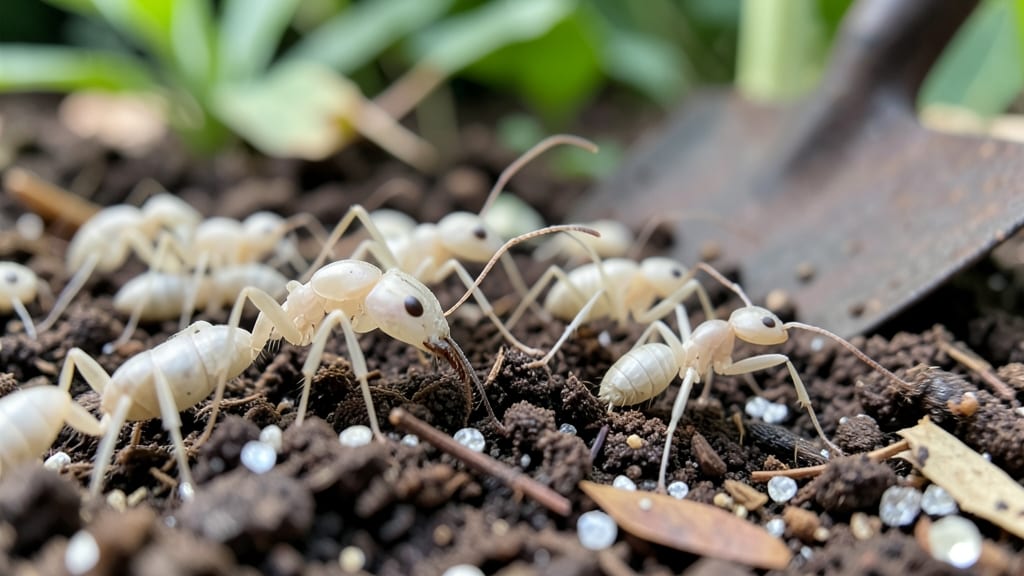
White ants in garden soil can turn your hard work into termite buffet— but nematode drench works faster than most chemical sprays . I’ve seen colonies vanish in 10-14 days after applying the right mix, no digging…
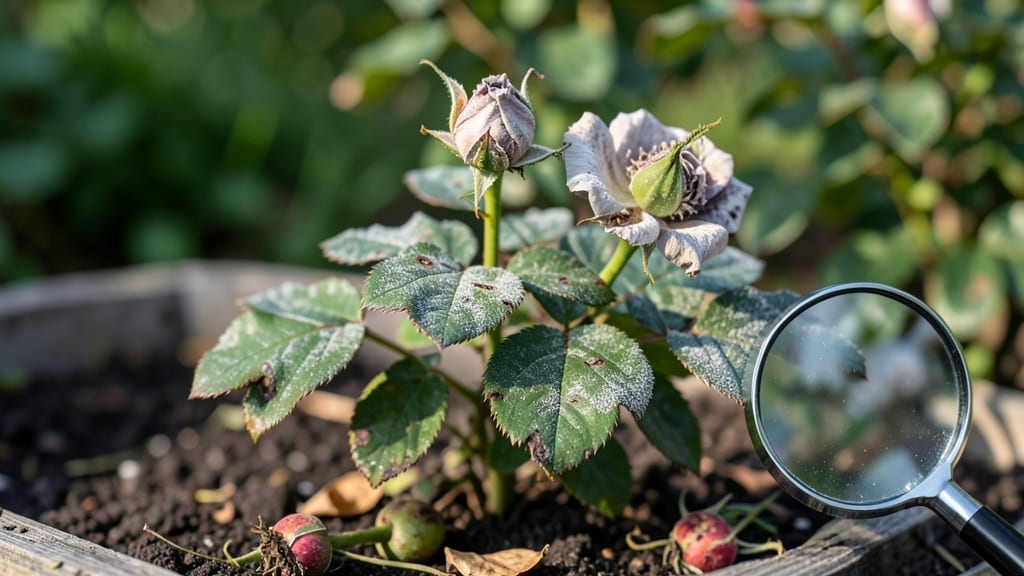
That white powdery film ruining your plants isn’t just unsightly—it’s stealing their energy. ✨ I’ve battled white garden mold on roses, tomatoes, and even soil, and the vinegar-baking soda combo stops it dead in its…
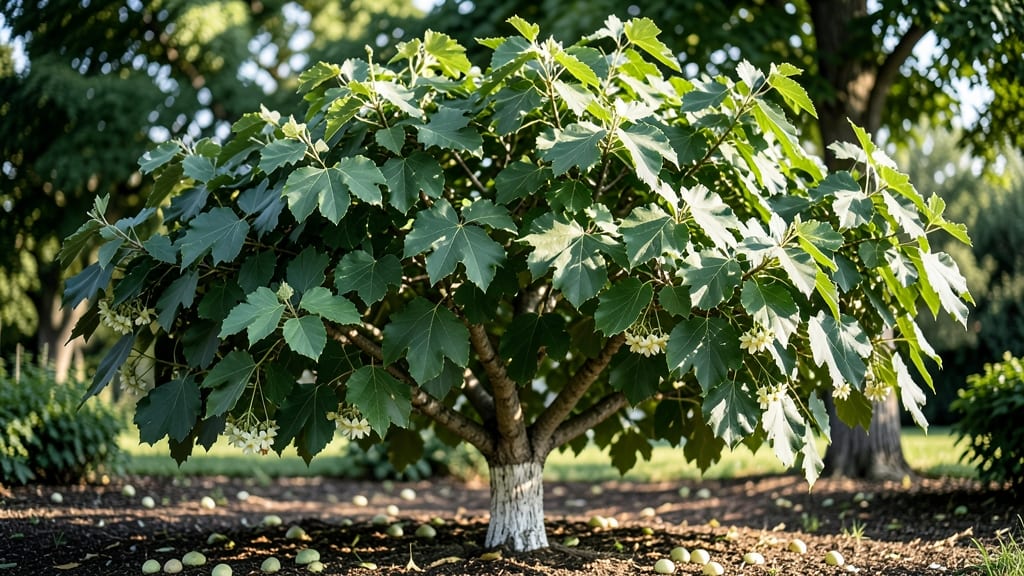
Growing white mulberry trees in your garden means year-round shade and a humane way to harvest fruit without harming birds. 🌿 I planted mine last spring, and now I’m enjoying dappled shade in summer and the quiet rustle…
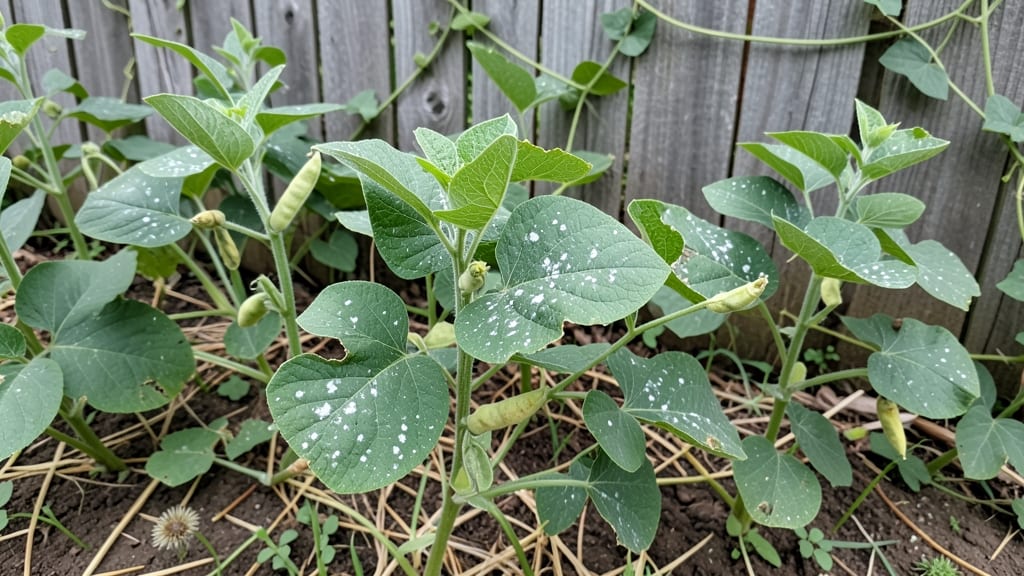
White spots on garden plants don’t have to mean game over—my 3-step fix has saved my roses, squash, and even my black thumb’s basil from total wipeout. The first step is identifying what’s really causing those spots: is…
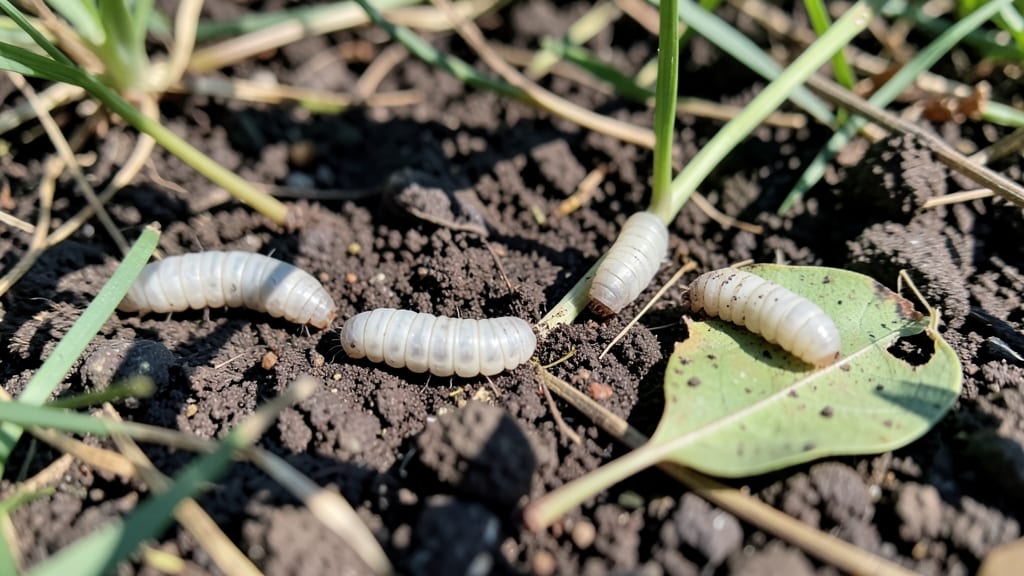
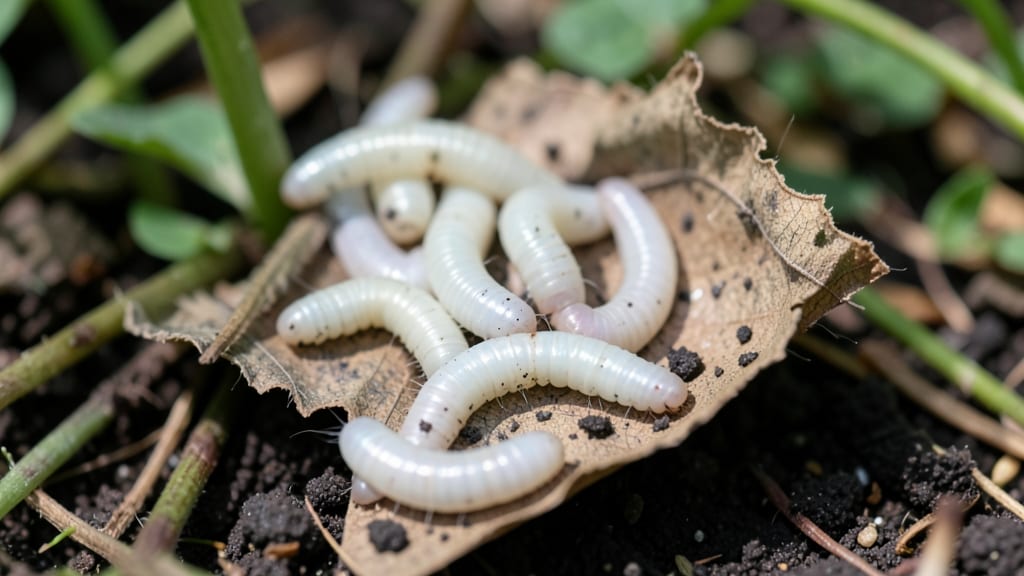
Finding white worms wriggling in your garden soil isn’t a sign of trouble—it’s often nature’s way of aerating your lawn. 🌱 These tiny allies, often called white grubs, help break down organic matter, but too many can…
Those tiny white worms wriggling through your garden soil aren’t pests—they’re nature’s composting superstars. 🌱 I used to pull them out thinking they were damaging my plants, but they’re actually breaking down organic…
Understanding why did people grow victory gardens during WWII reveals that families planted them to help feed the nation, cutting back on grocery store dependence as rationing and shipping delays strained supplies…
💥 Quick Answer Humans garden because it satisfies primal instincts for food security, social connection, and sensory engagement, while research shows it significantly lowers stress and boosts mental health. This…
💥 Quick Answer Peat is bad for gardens because its extraction destroys fragile wetlands, releasing stored carbon and harming biodiversity. As a non-renewable resource, it also depletes ecosystems while offering limited…
💥 Quick Answer Purpose gardens thrive because they integrate intentional planting principles like companion planting, soil health optimization, and biodiversity, which boost plant resilience, deter pests, and maximize…