
Pests
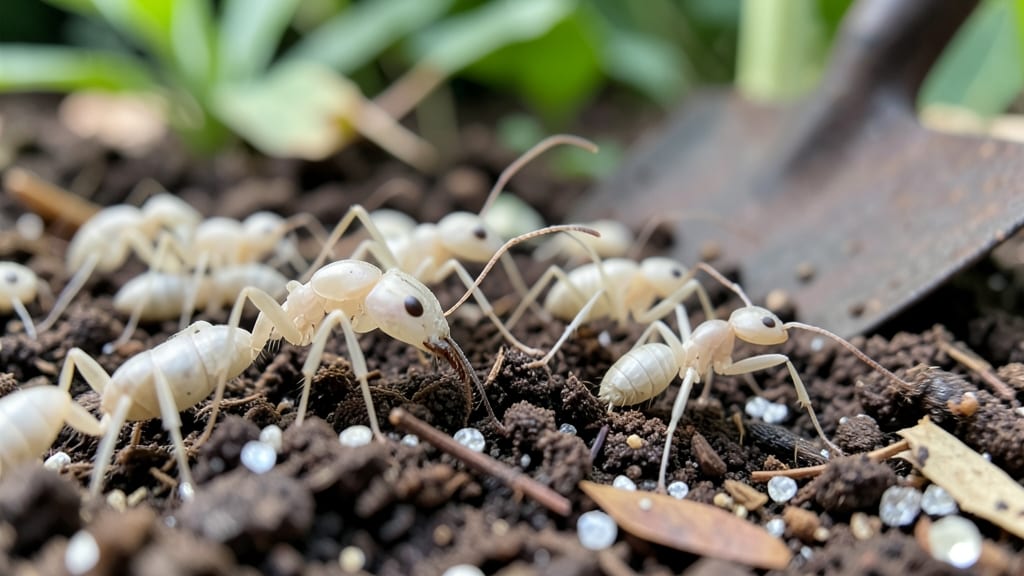
White ants in garden soil can turn your hard work into termite buffet—but nematode drench works faster than most chemical sprays. I’ve seen colonies vanish in 10-14 days after applying the right mix, no digging required. The key? Timing, soil moisture, and knowing where those tiny invaders hide.
These wingless termites thrive in damp, mulchy soil, feasting on roots while you’re none the wiser—until your plants wilt overnight. My first infestation hit last summer, and by the time I spotted the mud tubes, my peppers were already struggling.
The nematode solution targets their colonies underground without harming plants or pets.
You’ll mix microscopic beneficial nematodes with water and apply it directly to infested areas. Within days, the larvae stop feeding, and the adults die off. The best part? This method keeps working for 3-4 weeks after application, giving you a real defense against future swarms.
Works for raised beds, in-ground gardens, and even potted plants—just adjust the water volume. Here’s exactly how to do it without overcomplicating things or wasting product.
Root Causes of Soil Infestations
White ants—often mistaken for termites—thrive in garden soil due to a mix of environmental and human-related factors. Understanding these triggers helps you address the problem at its source. Below are the key reasons these pests invade your garden, backed by science and actionable insights.
White ants, or termites, are hygrophilic—they require high moisture levels to survive.
Their colonies thrive in soil with: - Poor drainage (waterlogged areas after rain or irrigation). - Organic debris (rotting wood, mulch, or leaf litter that retains moisture). - Irrigation overspill (drip lines or sprinklers creating damp zones near foundations or plant bases).
🔬 Why it matters: Termites rely on cellulose (found in wood and decaying plant matter) for food, but they also need moisture to digest it. Dry soil repels them, while soggy conditions signal a "safe zone" for nesting.
Termites are detritivores, meaning they feed on dead plant material. Common culprits in gardens include:
- Old stumps or roots (even buried wood attracts colonies).
- Untreated lumber (fences, decking, or mulch made from wood chips).
- Compost piles (especially if they’re too damp or contain wood scraps).
💡 Pro Tip: If you’ve recently pruned trees or added wood chips, termites may follow the scent trail directly to your soil. Avoid placing wood mulch directly against house foundations—leave a 6-inch gap to deter them.
Termites prefer stable, warm environments (70–90°F) with protection from predators. Garden spots that fit this profile include:
- Under rocks or bricks (creates dark, humid microhabitats).
- Thick mulch layers (especially if piled high against plants or structures).
- Cracks in concrete or pavers (where moisture and warmth combine).
🌡️ Key Insight: Urban gardens with concrete surfaces can trap heat and moisture, making them prime termite hotspots. Inspect shaded, undisturbed areas where soil stays consistently warm.
Even well-maintained gardens can become termite magnets due to:
- Overwatering (excessive irrigation or leaky hoses).
- Improper landscaping (planting moisture-loving species like bamboo or ivy near structures).
- Ignoring early signs (mud tubes on stems or hollow-sounding wood).
⚠️ Warning: Termites don’t just target weak wood—they can dig through soil to reach healthy plants or foundations. A single colony can grow to millions of workers in months, so early action is critical.
Healthy ecosystems keep termite populations in check via:
- Ants, birds, and reptiles (natural predators that hunt termites).
- Fungal pathogens (like Metarhizium anisopliae, which infects colonies).
🔥 Modern Problem: Urbanization and pesticide use have reduced these predators, giving termites free rein in gardens. Encouraging biodiversity (e.g., planting native flowers for beneficial insects) can help—but it’s a slow fix for active infestations.
Actionable Takeaway: To disrupt termite conditions, focus on drainage, wood removal, and moisture control. In the next section, we’ll cover how nematode drenches exploit their weaknesses for fast eradication.
How to Fix White Ant Infestations
Discovering white ants (termites) in your garden soil can feel like a nightmare, but don’t panic—these pests are beatable with the right strategies! Below, we’ve mapped out practical solutions tailored to the most common causes of infestations, from moisture issues to organic debris buildup.
Each fix is designed to be easy to implement, whether you’re a seasoned gardener or just starting out. Let’s tackle this step by step.
Termites thrive in damp, poorly drained soil. If your garden is soggy or waterlogged, follow these steps to dry it out and make it less inviting for these pests:
- 🍳 Improve Drainage
- Amend your soil with coarse sand, perlite, or gravel to help water drain faster. Mix in organic matter like compost (but avoid overdoing it—too much can retain moisture).
- Consider raising garden beds slightly to prevent water pooling.
- 👨🍳 Redirect Water Flow
- Install French drains or swales (shallow trenches) to channel water away from termite-prone areas.
- Avoid overwatering—stick to deep, infrequent watering in the early morning to let soil dry between sessions.
- ⏰ Monitor Moisture Levels
- Use a soil moisture meter to check humidity. Aim for soil that’s moist but not soggy (like a wrung-out sponge).
Termites love decaying wood, leaves, and plant waste. A cluttered garden is an all-you-can-eat buffet for them. Here’s how to eliminate their food source:
- 🔪 Remove Debris Regularly
- Clear away fallen leaves, mulch, and plant trimmings from garden beds and around the perimeter of your home.
- Compost properly—keep compost piles at least 20 feet away from your house and turn them frequently to speed up decomposition (which reduces termite attraction).
- 🌡️ Replace Wooden Structures
- Swap out old wooden stakes, fences, or mulch with termite-resistant materials like:
- Metal or plastic edging
- Gravel or rubber mulch (less appealing to termites)
- Pressure-treated lumber (if wood is a must)
- Swap out old wooden stakes, fences, or mulch with termite-resistant materials like:
- 🎯 Inspect & Treat Wooden Furniture
- If you have wooden garden furniture or decks, apply a termite-repellent sealant or borax-based wood treatment to deter infestations.
Dense plantings create dark, humid microclimates—perfect termite real estate. Loosen up your garden layout to reduce risks:
- ✨ Thin Out Plants
- Space plants at least 12–18 inches apart to improve airflow and reduce moisture retention.
- Prune overgrown shrubs and vines to let sunlight and air circulate.
- 💡 Choose Termite-Resistant Plants
- Some plants naturally repel termites. Consider adding:
- Marigolds (contain pyrethrin, a natural insect repellent)
- Lemongrass (termite-deterring oils)
- Citronella (double duty as a bug repellent)
- Some plants naturally repel termites. Consider adding:
- 🌿 Mulch Smartly
- If you mulch, use thin layers (2–3 inches max) of cedar or pine straw—these are less attractive to termites than hardwood chips.
If termites are already inside your home or garden structures, act fast to prevent further damage:
- 🔧 Fill Gaps & Cracks
- Seal cracks in foundations, walls, and window frames with silicone caulk or expanding foam.
- Check for hollow-sounding wood (a sign of termite tunnels) and repair or replace affected areas.
- 🛡️ Install Physical Barriers
- Use metal mesh or termite shields around pipes, vents, and foundation edges to block entry.
- Consider termite-proofing your home with sand or gravel barriers (at least 2 inches deep) around the perimeter.
- 🚨 Call in Reinforcements
- For severe infestations, contact a pest control professional. They can apply nematode drenches (like the one mentioned in this article) or chemical termiticides for deep eradication.
An ounce of prevention is worth a pound of cure! Follow these long-term strategies to keep white ants out of your garden soil for good:
- 🌡️ Maintain Proper Soil Temperature
- Termites avoid hot, dry soil. Use black plastic mulch in summer to raise temperatures and discourage nesting.
- 🎯 Regular Inspections
- Check your garden monthly for:
- Mud tubes (termite highways)
- Winged termites (swarmers)
- Hollow-sounding wood
- Check your garden monthly for:
- 🚫 Avoid Excessive Fertilizer
- Over-fertilizing can boost fungal growth, which termites feed on. Use balanced, slow-release fertilizers instead.
- 🌿 Encourage Natural Predators
- Birds like woodpeckers and swallows eat termites. Install birdhouses to attract them to your garden.
With these targeted fixes, you’ll create an environment where white ants won’t want to stick around. Combine immediate action with long-term prevention, and you’ll keep your garden soil healthy—and termite-free!
Frequently asked questions about garden soil pests
Are white ants the same as termites?
Not exactly! White ants are actually termites, though they’re often confused with ants. Termites are pale, soft-bodied insects that build mud tubes and feed on cellulose (wood, plants). True ants have segmented waists and don’t build these tubes. The key difference? Termites cause structural damage while ants usually just forage for food.
How do I know if my garden has a termite problem?
Look for these red flags: mud tubes on stems or walls, swarms of winged insects near windows, or plants wilting despite proper watering. Check for hollow-sounding wood or frass (termite droppings) near foundations. Early signs include tiny holes in leaves or soil that crumbles when disturbed.
Will nematodes harm my plants or beneficial insects?
No—the beneficial nematodes used for termite control (Steinernema carpocapsae) specifically target soil pests like termites and grubs. They’re harmless to plants, earthworms, and beneficial insects (like ladybugs or bees) because they only infect specific larvae. Always follow package instructions for proper application timing and soil conditions.
How often should I reapply nematode drench?
Reapply every 4-6 weeks during active growing seasons (spring-fall) for best results. The nematodes die off within 3-5 days after application, so repeated treatments maintain colony pressure. In drought conditions, water the soil first to create the moist environment they need to survive and hunt.
Are there chemical-free ways to deter termites long-term?
Yes! Try these natural methods: diatomaceous earth (food-grade only), neem oil sprays, or planting termite-repellent herbs like mint or lemongrass. For physical barriers, use gravel or metal edging around garden beds. Regularly remove wood debris and improve drainage—termites hate dry, well-aerated soil.