
Tools
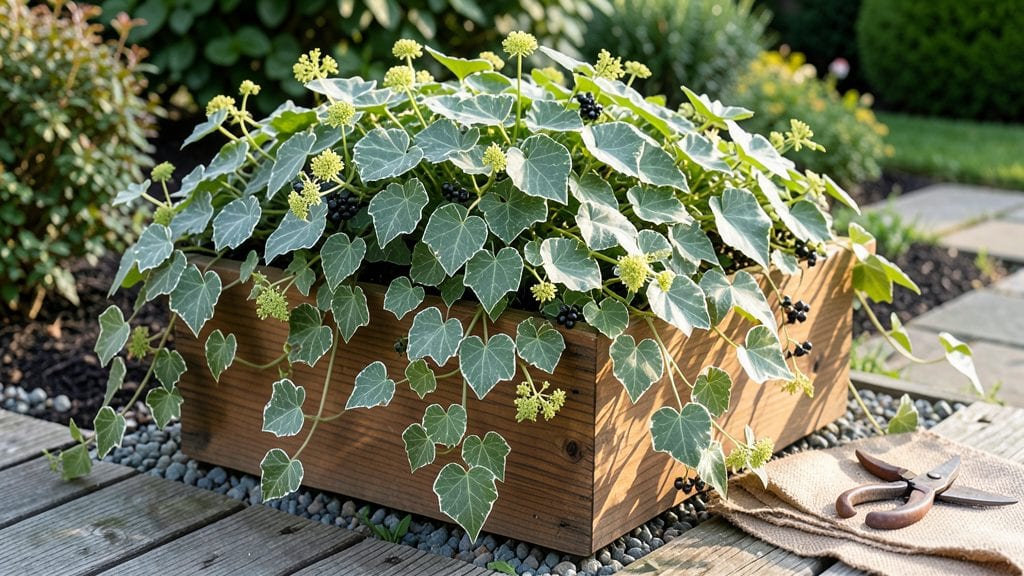
This tinge garden ivy is the secret weapon for adding bold color and texture to your garden without the fuss. 🌿 I fell for its deep purple-black foliage the first time I saw it draping over a stone wall—it looks like something out of a storybook, but it’s shockingly easy to grow.
The contrast against green leaves or brick walls is jaw-dropping, and it keeps its vibrancy all year, even in winter.
You don’t need a green thumb to make this ivy shine—just a sturdy trellis, wall, or fence to climb. It thrives in partial shade to full sun, handles most soil types, and even tolerates urban pollution once established.
The best part? It stays contained if you prune it back once a year, so you won’t end up with a jungle on your hands.
Imagine your garden in autumn, when the leaves turn a rich, velvety purple, or in winter, when the glossy foliage stands out against bare branches. This ivy adds drama to borders, softens harsh walls, and even works in containers for smaller spaces.
It’s the kind of plant that makes neighbors stop and ask, “What is that?”—and then you get to brag about your low-maintenance masterpiece.
Whether you’re dressing up a dull corner or creating a lush vertical garden, this variety delivers year-round interest with almost no effort. Let’s get you growing!
📚 In This Guide
- What you need
- Instructions
- Tips and common mistakes
- Wrapping up and next steps
What you need
- ● Tinge Garden Ivy plants: 1–3 plants (depending on coverage goals; spacing ~12–18 inches apart).
- ● Well-draining potting mix: 5–10 gallons (or enough to fill your chosen container/bed). Pro tip: Mix in perlite or orchid bark (10%) for aeration!
- ● Containers or garden bed: Containers: 10–15 gallon pots with drainage holes (or larger for multiple plants).
- ● Garden beds: Sunny, sheltered spot with partial shade (4+ hours of indirect light).
- ● Support structure: Trellis, lattice, or obelisk (6+ feet tall for climbing).
- ● Or, use a sturdy fence, pergola, or wall with hooks/ties.
- ● Slow-release fertilizer: 1–2 cups (balanced 10-10-10 or organic options like worm castings).
- ● Watering can or hose with spray nozzle (gentle watering avoids leaf burn!).
- ● Garden gloves (to protect hands from delicate stems).
- ● Pruning shears (sharp, sterilized for trimming).
- ● Mulch (2–3 inches of shredded bark or pine needles to retain moisture).
- ● Plant ties or soft twine (to guide vines until established).
- ● Spray bottle (for misting leaves in dry climates).
- ○ Decorative accents (optional): Solar lights, hanging planters, or themed trellis designs!
Step-by-Step guide to planting and caring for Tinge garden ivy
This hardy climber is easier to grow than it looks—just follow these simple steps for lush, year-round greenery.
🌱 Step 1: Choose the Perfect Location
Tinge Garden Ivy thrives in partial shade to full sun, making it perfect for patios, trellises, or shady walls. Pick a spot with 6+ hours of indirect light daily—too much harsh sun can scorch its delicate leaves. I always check the area for morning sun and afternoon shade to balance growth and leaf health.
If planting near a wall or fence, ensure it has a sturdy support like a trellis or wire mesh. The vines will cling naturally but need something to grip for strong upward growth. Avoid windy spots—this ivy grows best where it’s sheltered from strong breezes that can tear the foliage.
🪴 Step 2: Prepare the Soil and Plant
Tinge Garden Ivy adapts to most soil types but grows best in well-draining, slightly acidic soil with a pH between 5.5 and 6.5. Mix the 3 gallons of potting mix with 1 cup of compost to improve fertility and drainage. Avoid heavy clay soil unless amended—it can suffocate the roots.
Dig a hole twice as wide as the root ball but no deeper. Gently remove the plant from its container and loosen any circling roots with your fingers. Place it in the hole so the top of the root ball sits 1 inch below soil level—this prevents stem rot. Backfill with soil and press lightly to remove air pockets.
💧 Step 3: Water and Mulch for Retention
Water deeply right after planting to settle the soil around the roots. Tinge Garden Ivy prefers consistently moist but not soggy soil, so aim for 1-2 inches of water per week, adjusting for rain. You’ll know it’s time to water when the top inch of soil feels dry to the touch.
Spread the 2 inches of mulch over the soil surface, keeping it 3 inches away from the stem to prevent rot. Mulch helps retain moisture and regulates soil temperature, which is especially helpful in hot climates. Replenish mulch as it breaks down to maintain its protective layer.
☀️ Step 4: Train and Prune for Full Growth
Gently guide the vines onto their support structure as they grow—this encourages upward rather than sprawling growth. Use soft plant ties or twine to secure young stems without damaging them. Prune back leggy growth in early spring to promote bushier, denser foliage.
Trim any dead or yellowing leaves throughout the year to keep the plant looking tidy. You can also pinch back the tips of new growth to encourage branching. This ivy is evergreen, so it won’t lose its leaves in winter—just reduce watering slightly during dormancy if temperatures drop below 30°F.
✂️ Step 5: Fertilize and Maintain Year-Round
Feed with the balanced liquid fertilizer every 4-6 weeks during the growing season (spring through fall). Dilute it to half-strength to avoid burning the roots. You’ll see healthier, darker green leaves within a few weeks of consistent feeding.
Monitor for pests like spider mites or aphids, which can occasionally bother ivy. A strong spray of water usually removes them, but for severe infestations, use an insecticidal soap. With proper care, Tinge Garden Ivy will reward you with vibrant, lush growth that lasts all year.
Tips & tricks for perfect Tinge garden ivy growth
A few simple tricks will help you coax the most vibrant, healthy growth from your Tinge Garden Ivy—these are the secrets I've learned after watching my own plants thrive for years.
Location is Everything: In Step 1, when choosing your spot, pay extra attention to the morning sun versus afternoon shade balance. I've found that east-facing walls get the perfect light—morning sun warms the leaves gently while afternoon shade prevents scorching. If your yard has harsh afternoon sun, consider a sheer curtain or lattice for filtered light.
Soil Science Matters: The slightly acidic soil mix in Step 2 is non-negotiable for optimal growth. If your native soil isn't acidic enough, mix in a handful of peat moss or pine needles with your 3 gallons of potting mix and 1 cup of compost. I test my soil annually with a simple pH kit—aim for that 5.5-6.5 range, and you'll notice stronger vines and richer green leaves.
Watering Wisdom: Those 1-2 inches of water per week in Step 3 are crucial, but timing matters just as much. Water in the early morning so leaves have all day to dry—this prevents fungal issues. I use a rain gauge to track weekly rainfall and adjust accordingly. The top inch dry test is foolproof, but I also check the weight of the pot if growing in containers—lift it! A light pot needs water.
Winter Survival Tip: When temperatures approach 30°F in Step 4, your ivy will appreciate a little extra protection. I wrap young plants in burlap or use frost cloth for the first few winters. Mature plants handle cold well, but new growth can get damaged. Reduce watering by half during dormancy—roots need less moisture when growth slows down.
Pro Tips for Tinge Garden Ivy
- A few simple tricks will help you coax the most vibrant, healthy growth from your Tinge Garden Ivy—these are the secrets I've learned after watching my own plants thrive for years.
- Location is Everything: In Step 1, when choosing your spot, pay extra attention to the morning sun versus afternoon shade balance.
- Soil Science Matters: The slightly acidic soil mix in Step 2 is non-negotiable for optimal growth.
Frequently asked questions
Got questions about Tinge Garden Ivy? You’re not alone!
Whether you’re a new gardener or a seasoned green thumb, this hardy climber has its quirks. Here are answers to the most common queries to help you grow it with confidence.
Is Tinge Garden Ivy toxic to pets or humans?
Tinge Garden Ivy (Hedera helix ‘Tinge’) is non-toxic to humans and pets, unlike some other ivy varieties. While ingestion in large amounts may cause mild stomach upset, it’s generally safe for curious cats, dogs, or kids. Always supervise pets near plants, though!
How long does it take for Tinge Garden Ivy to establish?
Expect 3–5 years for full establishment, depending on climate and care. In the first year, focus on root growth—water deeply but infrequently (once a week) and avoid over-fertilizing. Patience pays off with lush, self-supporting vines!
Can I grow Tinge Garden Ivy indoors?
It thrives indoors with bright, indirect light (east/west-facing windows are ideal). Use a well-draining pot and mist leaves weekly to mimic humidity. Just avoid drafts—it prefers stable temperatures (60–75°F). Prune regularly to control growth.
What’s the best way to revive yellowing leaves?
Yellowing often signals overwatering or poor drainage. Let soil dry between waterings and repot if roots are soggy. Check for pests (like spider mites) and trim affected leaves. Boost airflow by spacing vines 6–12 inches apart—healthy circulation = happy ivy!
Are there alternatives if I can’t grow Tinge Garden Ivy?
Try these low-maintenance climbers:
- English Ivy ‘Needlepoint’ – Drought-tolerant, pet-safe, and compact.
- Star Jasmine – Fragrant, evergreen, and thrives in shade.
- Clematis ‘Jackmanii’ – Fast-growing with stunning blooms (needs support).
Wrapping up and next steps
Transforming your space with Tinge Garden Ivy is easier—and more rewarding—than you might think! This versatile climber brings year-round beauty with minimal fuss, making it the perfect choice for adding greenery to walls, trellises, or even hanging baskets.
Whether you're a seasoned gardener or just starting out, its resilience and striking foliage will elevate any outdoor (or indoor!) setting.
Ready to get growing? Start small: Grab a cutting, follow the simple steps, and watch your ivy thrive! 🌿 For extra inspiration, explore creative ways to train it—like weaving it into a living fence or draping it over a pergola. Happy gardening! 🌱