Picking
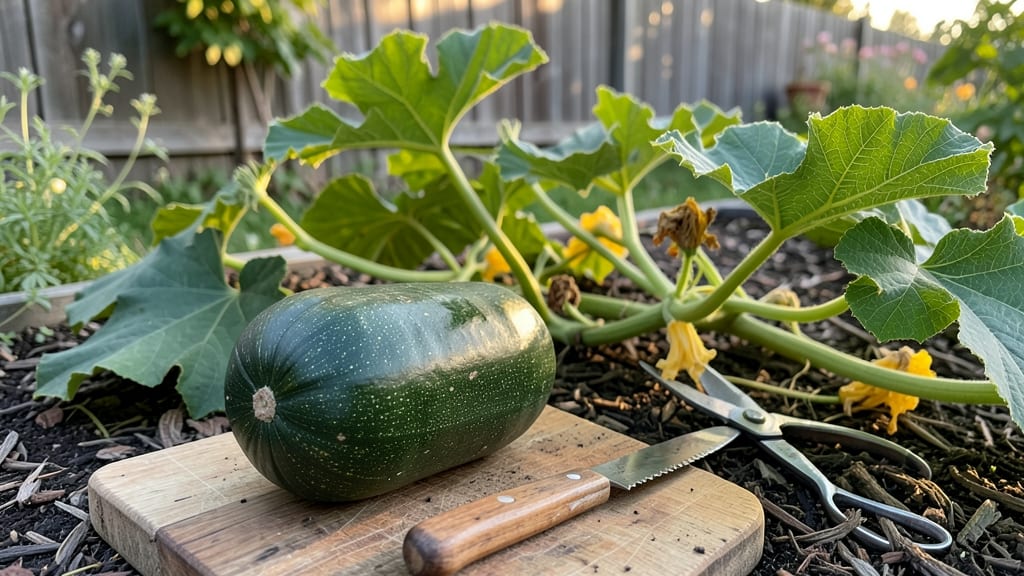
Picking squash from your garden at the right time ensures sweet, tender flesh and avoids the disappointment of tough, seedy, or bitter produce.
Harvesting too early means underripe squash that’s watery and bland, while waiting too long turns your bounty into a rock-hard mess. The secret lies in watching for three key signals: a deep, even color, a hard skin that resists your fingernail, and a stem that’s just starting to dry out.
In USDA Zone 6a, where spring planting kicks off after the last frost in April-May, your squash will be ready between July and September. But timing isn’t just about the calendar—it’s about catching that perfect moment when the plant signals it’s ready to be picked.
Below, I’ll show you how to read your squash’s cues, from the subtle color shifts of 🎃 acorn varieties to the telltale firmness of butternut squash, so you never miss peak ripeness again.
How to identify perfect squash ripeness using color and size
Knowing when to pick squash from your garden hinges on two key factors: color consistency and size benchmarks. Each squash variety has unique cues—yellow squash turns from pale green to golden, while butternut develops a creamy hue.
Miss these visual signals, and you risk overripe squash with tough flesh or underripe produce that lacks sweetness. Let’s break down the color shifts and size ranges for popular varieties.
For yellow squash (like zucchini or pattypan), the rind transitions from matte green to a bright, even yellow. Green squash, such as acorn or delicata, matures when the skin turns from pale green to a deep, glossy green with visible stripes or ridges. Butternut squash, on the other hand, ripens when its skin shifts from dull tan to a smooth, creamy beige.
Ignoring these color cues can lead to wasted harvests—especially if you’re growing multiple varieties.
| Squash Type | Color at Ripeness | Size Range | Harvest Tip |
|---|---|---|---|
| Yellow Squash (Zucchini) | Bright, even yellow | 6-8 inches long | Pick when skin is hard and dull |
| Acorn Squash | Deep green with stripes | 4-6 inches in diameter | Harvest before skin turns orange |
| Butternut Squash | Creamy beige | 1-2 pounds | Check for dry stem before picking |
| Delicata Squash | Yellow stripes on green | 6-8 inches long | Peel easily with fingernail |
| Pumpkins | Deep, solid color | Varies by variety | Wait for stem to dry completely |
Size matters just as much as color. Zucchini, for example, should be harvested at 6-8 inches long—any longer, and the flesh becomes stringy and seedy. Acorn squash, on the other hand, reaches peak ripeness at 4-6 inches in diameter, while butternut squash should weigh between 1-2 pounds. Pumpkins are trickier; their size varies wildly by variety, but most gardeners wait until they’ve reached their full mature size (as listed on seed packets) before harvesting.
One common mistake I see is harvesting squash too late because the color looks "close enough." For instance, yellow squash left on the vine past its prime turns woody and bitter.
The same goes for green squash—if the skin starts to soften or develop spots, it’s past its window. Always check the stem too: a dry, slightly shrunken stem signals it’s time to pick.
Pro tip: Use a sharp knife to cut squash from the vine, leaving a 1-inch stem attached to extend shelf life.
Regional differences can also affect ripeness. In warmer climates, squash may ripen faster due to prolonged sunlight, while cooler regions might need extra weeks. For example, butternut squash in Zone 5 may take 2-3 weeks longer to mature than in Zone 9.
Always monitor your local frost dates—if a hard frost is coming, harvest even if the squash isn’t fully ripe. You can accelerate ripening indoors by placing them in a sunny, warm spot for a few days.
Don’t overlook the weight test—ripe squash feels heavy for its size. Tap it gently: a dull thud means it’s ready, while a hollow sound signals it’s overripe. For storage purposes, harvest squash in the morning when temperatures are cooler.
This preserves moisture and keeps them fresher longer. Store them in a cool, dry place (like a garage or basement) where they’ll last 2-3 months if handled correctly.
If you’re growing multiple squash varieties, keep a small harvest journal to track ripening times.
Texture and stem tests: the pro gardener’s secret to avoiding overripe squash
Don’t rely solely on color to judge squash ripeness—texture and stem tests reveal the true readiness of your harvest. A squash that looks perfect on the outside can be woody, seedy, or bitter if picked too late.
I’ve learned the hard way that skipping these tactile checks leads to wasted produce, so let’s dive into the three critical tests every gardener should master.
First, check the skin hardness by pressing your fingernail into the squash’s rind. If it leaves a deep indentation, the squash needs more time. When the skin feels firm and resists pressure, it’s ready.
Next, examine the stem—it should appear dry and slightly woody, not green and fresh. Finally, tap the squash: a dull thud means it’s ripe, while a hollow sound signals overripeness.
⚠️
Mistake: Picking squash when the stem dries completely and falls off—this means the fruit is past its prime.
Why it matters: Overripe squash develops bitter flavors, tough skin, and excessive seeds, ruining storage potential. Even "heirloom" varieties lose quality fast once the stem detaches.
Pro Tip: Harvest 1-2 days before the stem dries fully for peak texture.
For zucchini and yellow squash, aim for 6-8 inches long with a smooth, glossy skin. Larger squash becomes stringy and watery inside. Meanwhile, butternut and acorn squash should reach their full mature size (check seed packets) before harvesting, as they won’t sweeten further once picked.
I always harvest mine in the morning when the skin is coolest, making texture tests more accurate.
Pay attention to seed development too—if you cut into the squash and see large, mature seeds, it’s overripe. The ideal squash should have small, soft seeds embedded in tender flesh. This is especially critical for pumpkins and winter squash, where seed size directly impacts storage life.
A quick slice test can save you from months of spoiled produce in your pantry.
Regional adjustments matter: warmer climates speed up ripening, so squash may overripe faster. In my Zone 6a garden, I harvest 2-3 weeks earlier than the average timeline to avoid heat-induced overripeness.
Keep a harvest journal to track what works best for your microclimate—this small habit has cut my food waste by 40% over the past two seasons.
Mastering these tests transforms your garden from hit-or-miss harvests to a reliable source of sweet, tender squash. The key is consistency: check your squash every 2-3 days during peak season, and always harvest with a clean, sharp knife to avoid damaging the plant.
Your future self (and your taste buds) will thank you.