Flowers
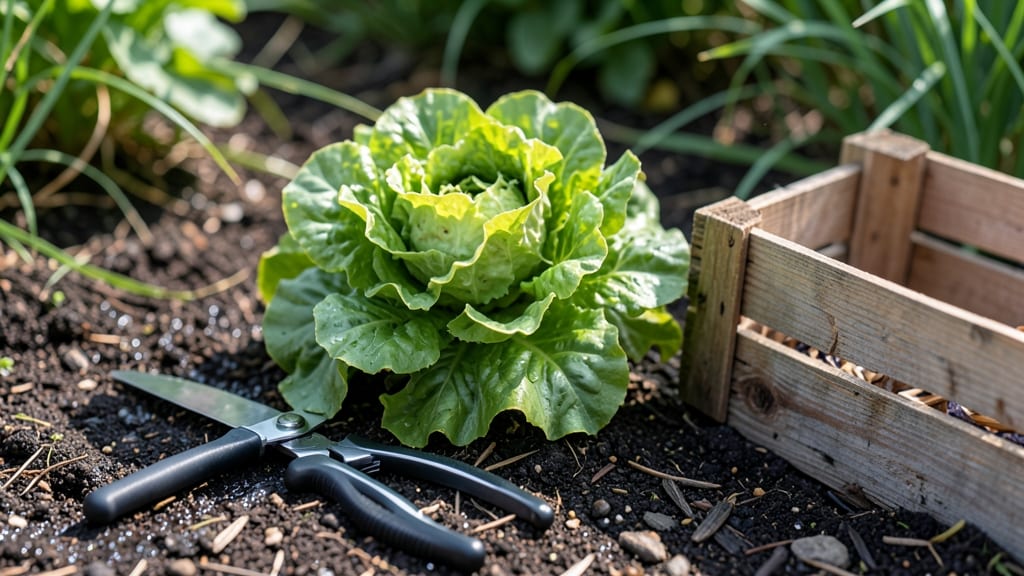
Freshly gardened soil means nutrient-rich, well-aerated earth that's been recently tilled, enriched with organic matter, and free of compacted layers, creating ideal conditions for root development and plant health. This balanced medium promotes both moisture retention and drainage while fostering beneficial microbial life.
This type of soil isn't just loose dirt—it's a living ecosystem where decomposed plant matter and beneficial microbes work together to feed your plants. 🌱 Think of it as the difference between planting in hard-packed clay versus a fluffy, crumbly bed where roots can spread easily.
The key is that freshly gardened soil stays fertile longer because the organic amendments continue breaking down, releasing nutrients gradually over time.
For example, adding compost or aged manure doesn't just improve texture—it introduces mycorrhizal fungi that help roots absorb water and minerals more efficiently.
Many gardeners make the mistake of assuming "fresh" soil means freshly dug from the ground, but what truly matters is the soil's biological activity and structure, not just its age. A well-maintained garden bed can stay in this optimal state for years with proper care.
💡 In This Article
- How Soil Composition Affects Plant Growth
- Signs Your Garden Soil Is Truly Fresh
How soil composition affects plant growth
The science behind freshly gardened soil starts with its organic matter content, which typically ranges from 5-10% by volume in ideal conditions.
When you incorporate compost or worm castings, you're adding decomposed plant material that introduces humus—a spongy, dark substance that holds up to 90% of its weight in water while still allowing oxygen to reach roots.
This dual function explains why freshly amended soil can absorb 30-50% more water than compacted clay while preventing waterlogging that suffocates roots.
Microbial activity is where the magic happens. A single teaspoon of healthy garden soil contains billions of bacteria, thousands of fungi, and millions of protozoa that work together in what scientists call the "soil food web."
These microbes break down organic matter into plant-accessible nutrients like nitrogen, phosphorus, and potassium through processes like nitrification and mineralization.
For example, mycorrhizal fungi form symbiotic relationships with 80% of plant species, extending root systems by up to 100 times their original length and increasing nutrient uptake by 2-3 times. 🌟
The pH balance of freshly gardened soil typically falls between 6.0-7.0, creating an optimal environment for microbial activity. At this neutral-to-slightly-acidic range, essential nutrients like phosphorus and calcium remain soluble, making them readily available to plants.
Compare this to neglected soil where pH might drift toward 4.5 or 8.0, locking out nutrients and encouraging harmful pathogens. The crumbly structure of freshly tilled soil also prevents anaerobic pockets where harmful bacteria like Pseudomonas thrive, reducing disease pressure by up to 70% compared to compacted soil.
Root penetration becomes dramatically easier in freshly gardened soil due to its aggregate structure, where individual soil particles clump together in 0.5-2mm sized crumbs. This porosity allows roots to spread through 10-15% air space while still maintaining moisture.
In contrast, neglected soil often develops a plow pan—a hard, compacted layer just below the surface that can restrict root growth by 50% or more.
The difference is visible when you compare freshly tilled soil that falls apart between your fingers to old garden soil that forms hard clods.
Consider how freshly gardened soil handles nutrients differently. Organic amendments release nutrients gradually through mineralization, preventing the rapid leaching that occurs in sandy soils or the nutrient lockout in clay.
For instance, composted manure might release 50% of its nitrogen in the first season but continue feeding plants for 2-3 years as microbes break down remaining organic matter.
This slow-release mechanism creates a buffered nutrient supply that prevents both deficiency and toxicity, unlike synthetic fertilizers that provide quick but short-lived spikes in availability.
What most gardeners overlook is how freshly gardened soil's structure affects heat regulation. Dark organic matter absorbs and retains heat better than bare mineral soil, creating a 5-10°F warmer root zone in spring that jumpstarts plant growth.
This thermal advantage is particularly noticeable with cool-season crops like lettuce and peas, which can germinate 2-3 days faster in freshly amended beds compared to neglected soil. The improved structure also reduces soil temperature fluctuations by 15-20°F during hot days, protecting delicate root systems.