Advice
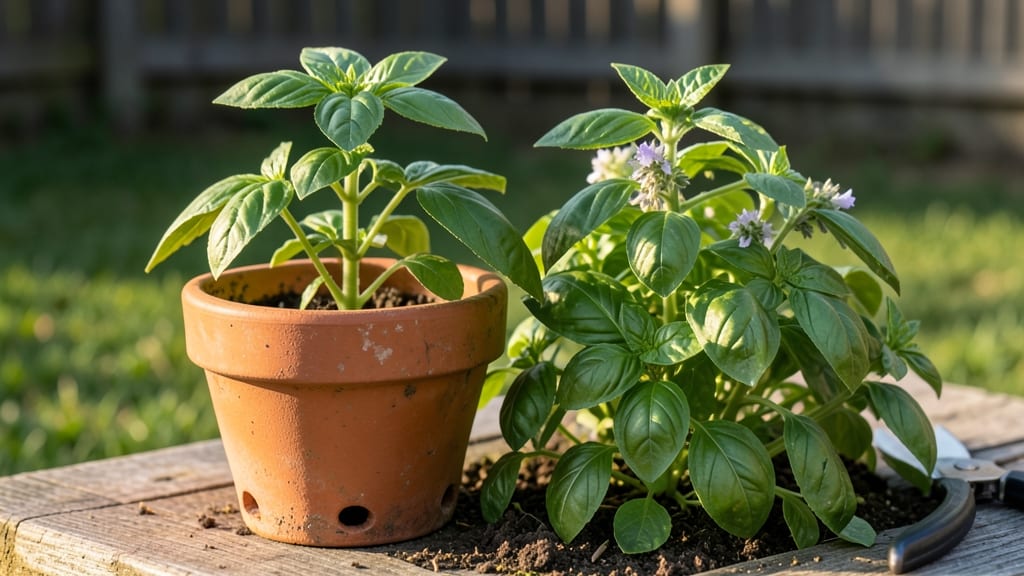
Herbs gardening thrives with easy-to-grow varieties like basil, mint, and parsley, which require minimal care, thrive in containers, and tolerate partial shade. Start with seeds or transplants in well-draining soil and water moderately to avoid root rot.
These beginner-friendly herbs stand out because they grow quickly and bounce back from neglect—perfect for busy gardeners. 🌱 Basil, for example, grows in just 6-8 weeks from seed and loves warmth, while mint spreads aggressively (which is why I always plant it in containers).
Parsley, though slower, handles cooler temperatures better than most herbs, making it ideal for spring or fall planting. The key to their success is their adaptability: they don’t demand perfect conditions like rosemary or thyme, which need full sun and consistent moisture.
Even in partial shade, these herbs will reward you with flavorful leaves all season long.
For container growers, I recommend using 6-inch pots for basil and parsley, while mint thrives in hanging baskets where its runners can trail. Well-draining soil is non-negotiable—these herbs hate soggy roots—but they’re forgiving if you forget to water for a few days.
The real secret? Regular harvesting. Pinching back leaves encourages bushier growth, and these herbs often regrow from cuttings if you accidentally trim too much.
💡 In This Article
- Why These Herbs Succeed in Beginner Gardens
- Step-by-Step Guide to Planting and Caring for Easy Herbs
Why these herbs succeed in beginner gardens
The real magic behind these herbs lies in their botanical resilience. Basil, for instance, thrives because it's an annual warm-season herb with a rapid growth cycle—its leaves reach maturity in just 6-8 weeks from seed.
This fast turnover means you're harvesting edible foliage almost immediately, unlike biennials like rosemary that take months to establish. The plant's square stems contain essential oils that naturally repel many common pests, including aphids and spider mites, which explains why it rarely needs chemical interventions.
Mint's success comes from its aggressive growth habit and robust root system. This herb spreads via underground runners that can grow up to 6 feet per year if unchecked, making it perfect for containers where you can control its expansion.
Its leaves contain high levels of menthol, which acts as a natural fungicide and insect deterrent. Unlike delicate herbs like dill, mint's leaves remain vibrant even with minimal watering—its thick cuticle layer reduces moisture loss, allowing it to tolerate brief dry spells better than most herbs.
Parsley stands out for its hardiness in cooler climates. As a biennial, it survives mild winters and often regrows from its root crown in spring. Its fern-like leaves have a waxy coating that protects against both pests and excessive evaporation.
What's fascinating is how parsley's slow growth actually works in its favor—it develops a deep, fibrous root system that anchors it well in containers, making it more drought-resistant than fast-growing herbs like cilantro that bolt quickly in heat.
Here's where these herbs outshine their high-maintenance cousins: rosemary and thyme. Both require full sun exposure (6+ hours daily) and well-draining, alkaline soil with pH levels between 7.0-8.0. Their woody stems make them vulnerable to rot if overwatered, and they often struggle in containers unless given perfect conditions.
In contrast, basil thrives in 4-6 hours of sunlight and tolerates a wider pH range (6.0-7.5), while parsley grows happily in partial shade with just 3-4 hours of morning sun. 🌿
The ability to regrow from cuttings is another game-changer. Basil stems placed in water will develop roots within 1-2 weeks, while mint can be propagated simply by placing a stem in soil. This means you can continuously harvest without sacrificing plant health.
Even parsley's roots can be divided and replanted, giving you multiple harvests from a single plant. This regenerative capacity is rare among herbs—most require replanting from seed each season.
What most gardeners don't realize is how these herbs' growth patterns actually encourage better habits. The frequent harvesting required to keep them productive teaches you to pay attention to plant signals—wilting leaves mean it's time to water, while leggy growth indicates insufficient light.
These visual cues make herb gardening an interactive learning experience that builds confidence quickly. 💫
The sensory rewards make the effort worthwhile too. The aroma of crushed basil leaves releases volatile oils that instantly transform any dish, while mint's peppery scent is unmistakable.
Parsley's slightly bitter, earthy flavor balances richer ingredients perfectly. These herbs don't just grow easily—they engage all your senses and make gardening feel immediately rewarding.