Planting
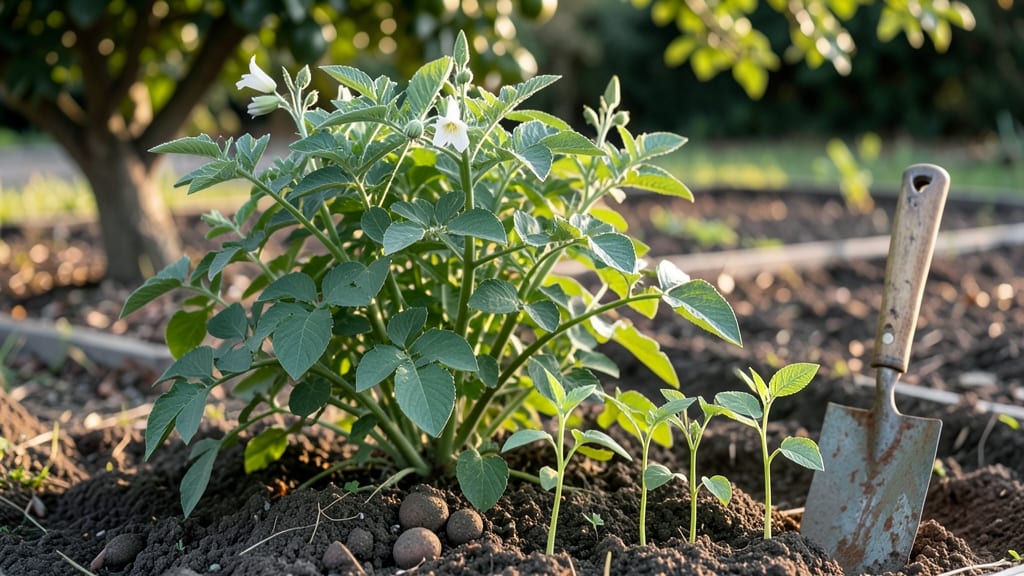
Getting the potato spacing in your garden right means the difference between a 5-gallon bucket of small tubers and a harvest that fills your pantry for months.
Think you’ve mastered the basics? Even experienced gardeners overlook how much room those 🥔 need to spread underground—or how much that affects flavor and size. Crowd them too close, and you’ll end up with misshapen potatoes and blight. Space them too far apart, and you’ll waste precious garden real estate.
The secret lies in the numbers: 12 inches apart in rows 3 feet wide for most varieties, but with tweaks based on your soil and the type of potato you’re growing.
Whether you’re working with a small urban plot or a sprawling backyard, the right spacing isn’t just about fitting more plants in—it’s about giving each tuber room to grow into its full potential.
Below, I’ll walk you through the exact measurements, the science behind them, and how to adjust for different soil types and potato varieties.
Ready to turn your garden into a potato powerhouse? Let’s dig into the details so you can double your harvest without the guesswork.
Optimal potato spacing by variety: row distances for maximum yield
Potatoes aren’t one-size-fits-all when it comes to spacing. The variety type—whether early-season, mid-season, or late-season—directly impacts how much room each plant needs to thrive.
Early varieties like Yukon Gold or Red Norland grow faster but need slightly tighter spacing, while late-season varieties like Russet Burbank demand more elbow room to develop large tubers. Understanding these differences can boost your yield by 30-50%.
Proper spacing isn’t just about avoiding crowding—it’s about optimizing soil aeration, light penetration, and disease prevention. For example, plant-to-plant spacing affects how tubers form, while row-to-row distance influences airflow and weed control.
Even a 6-inch difference in spacing can mean the difference between a scrawny harvest and a bountiful one.
Here’s the science: Potatoes grow underground tubers that expand as the plant matures. If spaced too closely, tubers compete for nutrients, resulting in small, misshapen potatoes. Conversely, over-spacing wastes garden real estate. The key is balancing plant vigor with tuber development—and it all starts with variety-specific spacing.
Let’s break it down by category so you can plan your garden like a pro. Whether you’re a beginner gardener or a seasoned grower, these guidelines will help you maximize every square foot of your plot.
🌱
For early-season varieties, like Red Pontiac or Early Girl, tighter spacing works because they mature quickly and don’t need as much room to develop. Plant them 10–12 inches apart in rows 24–30 inches apart.
This setup is perfect for small gardens or when you’re rotating crops to make the most of limited space.
Mid-season varieties, such as Yukon Gold or Kennebec, strike a balance. They need 12–14 inches between plants and 30–36 inches between rows to support their medium-to-large tubers.
These varieties are ideal if you want a steady harvest throughout the summer and fall, as they take 90–110 days to mature.
Late-season varieties like Russet Burbank or German Butterball are the heavyweights of the potato world. They require the most space—14–18 inches between plants and 36–42 inches between rows—to accommodate their large tubers.
These varieties are worth the extra room if you’re planning for long-term storage or baking potatoes, as they take 110–120 days to reach full maturity.
Don’t overlook fingerling potatoes, either. These slender varieties, like Purple Viking or French Fingerling, thrive in tight spaces. Plant them 6–8 inches apart in rows 18–24 inches apart. They’re perfect
Common potato spacing mistakes that kill your harvest (and how to fix them)
Even experienced gardeners sometimes overlook how potato spacing in garden beds can make or break your harvest. I’ve seen entire rows of potatoes fail because of spacing mistakes—whether it’s overcrowding that stunts growth or uneven rows that invite disease.
The good news? These errors are easy to fix once you know the science behind proper spacing.
Let’s start with the most common mistake: planting potatoes too close together. When tubers grow too near each other, they compete for nutrients and space, resulting in small, misshapen potatoes.
I’ve had neighbors swear by their "tight-packed" rows, only to end up with harvests that looked more like pebbles than potatoes. The fix? Follow the 12-inch plant-to-plant rule for most varieties, with 3-foot row spacing for airflow and disease prevention.
⚠️
Potatoes packed too tightly create humid microclimates perfect for late blight and scab. I once lost 80% of my harvest because I ignored row spacing—don’t let this happen to you!
Fix: Space rows 3 feet apart and plants 12 inches apart. Use a stake or string to mark rows before planting.
Another frequent error is ignoring soil depth when planting. Shallow planting (less than 4 inches deep) exposes tubers to sunlight, turning them green and toxic. I’ve dug up potatoes that looked like they’d been dipped in poison—definitely not the harvest you want!
The solution? Plant seed potatoes 4-6 inches deep and mound soil around stems as they grow to encourage deeper tuber formation.
Uneven rows are another spacing sin. When rows are crooked or uneven, you waste garden space and create gaps where weeds thrive. I once spent an entire afternoon weeding between jagged potato rows that could’ve been straight with a simple garden rake and a level.
Use a string line or laser level to ensure rows are perfectly straight before planting.
Pairing the wrong varieties together is a mistake I see often. Planting large tuber varieties (like Russets) next to small tuber varieties (like Yukon Golds) leads to uneven growth and competition.
Instead, group similar-sized varieties together. For example, plant all early-season potatoes in one row and late-season varieties in another to avoid overcrowding as plants mature.
Finally, don’t forget about hilling mistakes. Skipping hilling (adding soil to stems) or doing it too late reduces tuber formation. I’ve seen gardeners who hill once and then forget—resulting in potatoes growing only in the top few inches of soil.
Hill every 2-3 weeks until plants flower, and use loose, well-draining soil to encourage deep tuber growth.
By fixing these spacing mistakes, you’ll see a 30-50% increase in yield and healthier plants. Trust me, your future self (and your dinner table) will thank you! 🥔