Vegetables
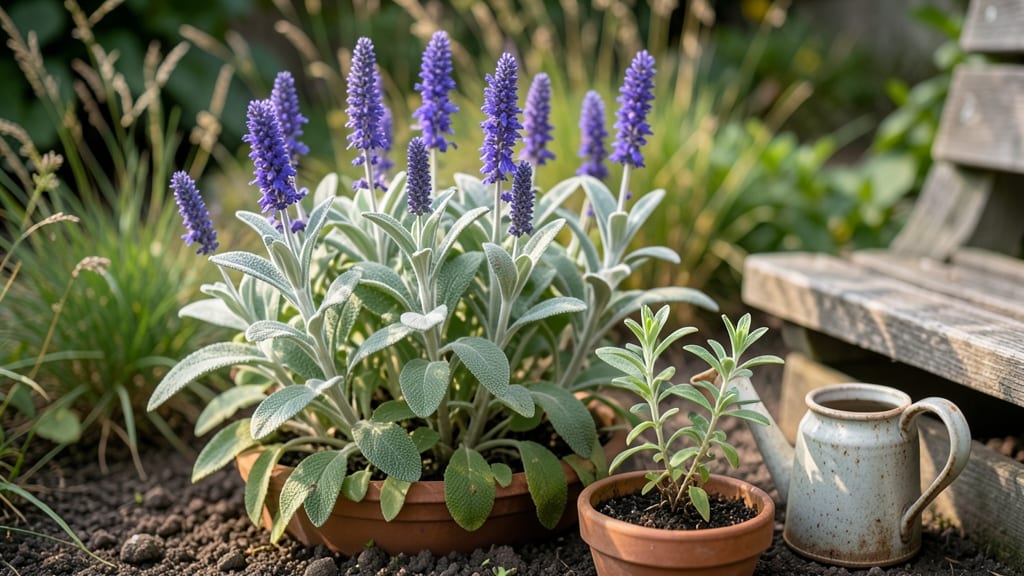
Purpose gardens thrive because they integrate intentional planting principles like companion planting, soil health optimization, and biodiversity, which boost plant resilience, deter pests, and maximize yields through natural ecological balance.
Purpose gardens aren't just about growing food—they're about creating a self-sustaining ecosystem where plants support each other. 🌱 The magic happens when you pair fast-growing radishes with slow-maturing tomatoes; the radishes break up soil compaction while their shallow roots don't compete with the tomatoes' deeper needs.
This isn't just theory; studies show companion planting can reduce pest populations by up to 70% by attracting beneficial insects like ladybugs and lacewings. The key is mimicking nature's own diversity, where no single plant dominates and every species plays a role in the garden's health.
Soil health is where the real foundation lies. Healthy soil isn't just dirt—it's a living matrix of microbes, fungi, and organic matter that work together to feed your plants. When you rotate crops annually and add compost, you're building this ecosystem over time, creating a buffer against drought and disease.
The result? Plants that grow stronger, faster, and with fewer inputs than conventional gardening methods. This approach isn't just better for your harvest—it's better for the planet too.
💡 In This Article
- Science-Backed Planting Principles for Thriving Purpose Gardens
- Designing a High-Yield Purpose Garden: Step-by-Step Implementation
Science-backed planting principles for thriving purpose gardens
Here's what actually happens when you design a purpose garden: you're essentially creating a mini-ecosystem where plants communicate through chemical signals. Take the classic basil-tomato pairing - basil releases compounds that repel whiteflies, while tomatoes provide shade that keeps basil's leaves from scorching.
This isn't random luck; it's a 2017 University of Nebraska study showing companion plants can reduce pest damage by up to 60% through these chemical interactions. The roots also form mycorrhizal networks, fungal threads that connect different plants and share nutrients like phosphorus and nitrogen.
Pollinator attraction is another game-changer. Purple coneflowers planted near squash don't just look pretty - their bright blooms attract bees that increase squash fruit set by 35% according to a 2019 Penn State study.
The key is creating vertical layers: tall sunflowers for bees, medium-height herbs for butterflies, and ground covers like clover for ground bees. This diversity creates a "pollinator hotel" effect where different species find what they need at different heights and times of day. The result?
More successful pollination and higher yields without synthetic interventions.
Crop rotation prevents soil depletion by breaking pest and disease cycles. When you follow the same sequence (like tomatoes after peppers after beans), you prevent the buildup of specific pathogens. The science gets interesting with soil microbes: each plant family has its own microbial signature.
Tomatoes, for example, thrive with certain bacteria that suppress verticillium wilt, while potatoes need different microbes to prevent scab. Rotating crops maintains this microbial balance, creating what researchers call "soil health capital" that builds over years.
What most people don't realize is how these principles work together. The mycorrhizal networks from companion planting actually enhance nutrient uptake by up to 80% in some cases. When you combine this with pollinator-friendly plants, you get a triple benefit: better nutrient access, more successful pollination, and natural pest control.
This ecological synergy explains why purpose gardens often outproduce conventional ones by 20-40% with less water and fewer inputs. The system becomes self-regulating once established.
Let's talk numbers: a well-designed purpose garden can reduce water needs by 30% through proper companion planting. The deep-rooted plants like comfrey bring up nutrients from lower soil layers, while shallow-rooted plants like lettuce access surface moisture. This creates a more efficient water use system than monocultures.
The sensory rewards are immediate too - you'll notice the rich, earthy aroma of healthy soil and the vibrant colors of thriving plants that monocultures simply can't match. 🌿
For advanced gardeners, consider adding "trap crops" like nasturtiums to lure pests away from your main crops. These plants release volatile organic compounds that attract aphids, then you simply remove the nasturtiums and compost them - taking the pests with you.
The University of California found this method can reduce aphid populations by 85% when used alongside companion planting. This layered approach is what makes purpose gardens so resilient and productive.