Advice
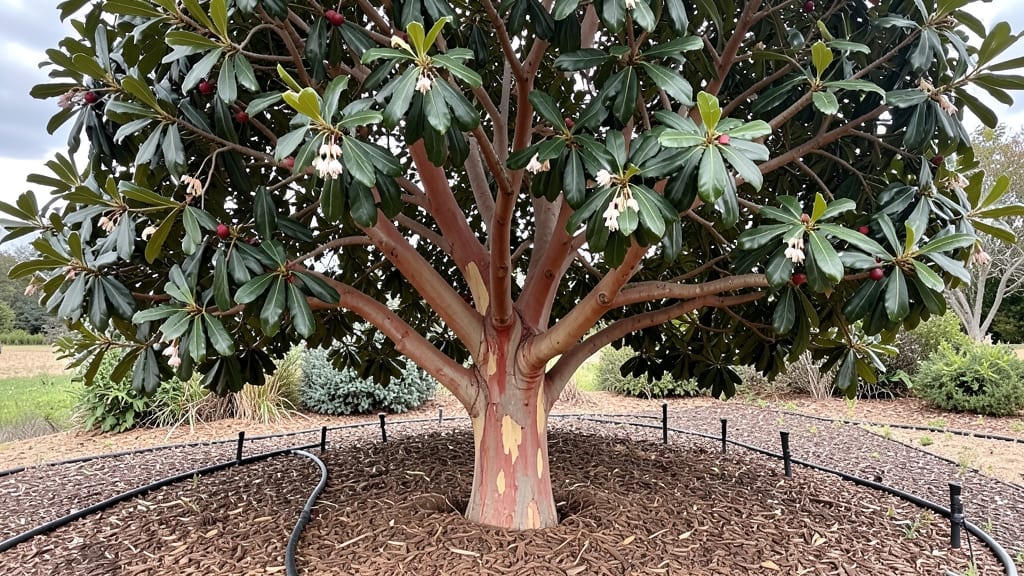
Gardening in Northern California demands adapting to its unique microclimates—from coastal foggy zones to inland dry valleys—where drought-tolerant natives like ceanothus, manzanita, and succulents thrive while frost-sensitive plants struggle in high-elevation areas. Soil amendments and watering schedules must shift drastically by region, with coastal gardens prioritizing windbreaks and inland areas focusing on mulch for moisture control.
Northern California's gardening challenges come down to understanding these microclimates. 🌿 The coastal fog belt, for example, creates a cooler, more humid environment perfect for rhododendrons and camellias, while the Central Valley's hot summers demand heat-tolerant varieties like olive trees or Russian sage.
I've learned that even neighborhoods just miles apart can have completely different growing conditions—what works in Sonoma might fail in Sacramento. The key is observing your specific zone's patterns over time, adjusting watering schedules, and choosing plants that naturally match your local conditions.
One of my biggest lessons came from trying to grow frost-sensitive citrus in the Sierra foothills—it simply didn't survive our occasional late spring frosts. Instead, I switched to hardy natives like California buckwheat that handle temperature swings beautifully.
The region's diversity actually makes it exciting once you learn to work with it rather than against it.
💡 In This Article
- Northern California Microclimates Explained
- Top Plants for Northern California Gardens
Northern California microclimates explained
Northern California's gardening success hinges on understanding five distinct microclimates, each with unique temperature, rainfall, and fog patterns that dictate what thrives.
The coastal fog belt (San Francisco to Monterey) maintains summer temps between 55-65°F thanks to marine layer fog that rolls in nightly—ideal for Mediterranean plants like rosemary and thyme that prefer cooler roots but warm days.
Meanwhile, the Bay Area experiences 15-20°F temperature swings between day and night, creating microclimates where coastal gardens stay lush while inland slopes dry out faster.
Inland areas like the Central Valley see 100°F+ summers with less than 10 inches of annual rainfall, demanding drought-tolerant species like California buckwheat or manzanita that store water in their leaves.
The Sierra foothills present another extreme: 30-40°F nighttime drops in spring can kill tender plants, while redwood forest zones maintain 60-70% humidity year-round, perfect for ferns and salal but challenging for sun-loving succulents. The key difference?
Coastal areas get 80% of their moisture from fog while inland zones rely entirely on seasonal rains.
What most gardeners miss is how elevation changes everything. A 1,000-foot climb can shift your zone by 5°F—explaining why frost-sensitive citrus thrives in Sonoma Valley (200 ft elevation) but fails in Napa's Mayacamas foothills (1,500 ft).
The science involves adiabatic cooling: air expands as it rises, losing heat at 3.5°F per 1,000 feet. This is why high-elevation gardens need alpine-adapted plants like penstemons while valley floors support Mediterranean olives that would crisp in mountain heat.
Seasonal adjustments matter just as much as location. Coastal gardens need wind protection (like bamboo screens) to prevent salt spray damage, while inland areas require mulch depths of 4-6 inches to retain moisture during 100°F+ days.
The Bay Area's microclimates create "urban heat islands" where concrete absorbs heat—raising temps 5-10°F higher than surrounding areas. This is why container gardens in cities need afternoon shade while rural properties can handle full sun.
Here's what actually works in practice: I've seen ceanothus (California lilac) struggle in Sacramento's heat but thrive in Oakland's coastal fog—the same plant, different microclimate. The solution?
Test your soil's moisture retention (coastal soils stay damp; inland soils dry quickly) and adjust irrigation accordingly. Drip systems work best for slopes, while soaker hoses suit flat coastal gardens where fog provides natural irrigation.
One unexpected advantage of these microclimates? You can grow three seasons in one yard. My Berkeley garden has spring-blooming camellias (coastal), summer lavender (inland-adapted), and fall asters (tolerant of both). The trick is observing which plants naturally thrive in each microclimate zone of your property—then replicating those conditions. 🌿