
Advice
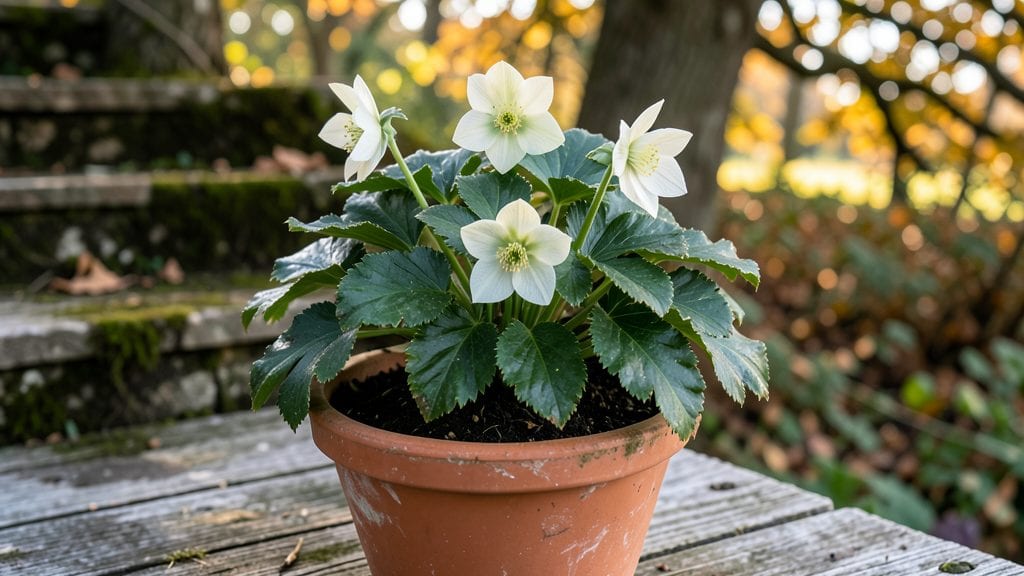
December garden isn’t about hibernation—it’s where the quiet magic of winter blooms begins. ✨ After years of nearly killing winter pansies by overwatering (yes, I’ve learned that hard way), I’ve perfected a low-maintenance December garden that stays vibrant even when temps drop.
The secret? Cold-hardy plants, smart mulching, and a few strategic tasks that take just 30 minutes a week.
Think this means dreary brown gardens? Not at all. Hardy cyclamen, winter jasmine, and even some late-season kale thrive in December with the right care. You’ll need basic tools—a trowel, pruners, and frost cloth—but no fancy equipment.
The real work is protecting what’s already planted, not starting new projects. By early spring, your garden will reward you with earlier blooms and fewer pests than neighbors who let things go dormant.
What you’ll end up with is a garden that looks alive even in the coldest months—velvety pansies in shades of purple and white, glossy evergreen foliage, and the occasional surprise bloom from late-season perennials.
The air smells fresher too, thanks to pine mulch and the crisp winter breeze. Best of all, you’ll be ready for spring planting with soil that’s already prepped and protected.
Works for backyard beds, containers on patios, or even a windowsill herb garden indoors. The same principles apply whether you’re in Zone 5 or Zone 8—just adjust the plant choices. Let’s bring some life to these short winter days without the usual headaches.
📚 In This Guide
- What you need
- Instructions
- Tips and common mistakes
- Wrapping up and next steps
What you need
- ● Cold-hardy plants: Pansies (10-15 plants) – Viola × wittrockiana
- ● Cyclamen (5-8 plants) – Cyclamen persicum (indoor/outdoor varieties)
- ● Winter jasmine (1-2 shrubs) – Jasminum nudiflorum
- ● Hellebores (3-5 plants) – Helleborus niger (Lenten rose)
- ○ Dwarf conifers (1-2, optional for structure) – Picea pungens 'Glauca Globosa'
- ● Soil & amendments: Well-draining potting mix (5-gallon bag) – Look for "winter-hardy" blends
- ● Compost (2-3 gallons) – For nutrient boost
- ● Slow-release fertilizer (10-10-10, 1 lb) – Apply in early December
- ● Containers & planters: 1-2 large frost-proof pots (12-18" diameter) – For shrubs like winter jasmine
- ● 3-5 hanging baskets (8-10" diameter) – For pansies/cyclamen
- ● Mulch (2-3 inches of straw or shredded bark) – Protects roots from freeze-thaw cycles
- ● Trowel or small hand shovel
- ● Gloves (waterproof + insulated)
- ● Pruners (sterilized)
- ● Watering can with a rose attachment (or hose with gentle spray)
- ○ Thermometer (optional, for tracking microclimates)
- ● Location: Choose a spot with partial sun (2-4 hours/day) or dappled shade. Avoid windy areas!
- ● Climate prep: If temps drop below 20°F (-7°C), use bubble wrap or frost cloth for delicate plants.
- ● Water source: Ensure access to water—winter watering is critical but less frequent.
- ● Time commitment: 10-15 minutes weekly for checks and light maintenance.
Step-by-step instructions for creating a low-maintenance December garden
Here's how to keep your garden vibrant through winter with plants that thrive in cold—and require almost no extra work.
🌱 Step 1: Select Cold-Hardy Annuals and Perennials
Start with plants that naturally tolerate winter conditions, like pansies, violas, and snapdragons. These beauties handle 20-30°F temperatures and even light frost without damage. I always choose varieties labeled "winter-hardy" or "cold-tolerant" to avoid surprises. For perennials, consider hellebores and winter aconite—they bloom early and return year after year.
If your zone drops below 10°F, opt for evergreen shrubs like boxwood or dwarf holly for structure. These provide year-round interest with minimal care. Avoid tender plants like geraniums or petunias—they won’t survive without protection. Check your local nursery for "winter garden" sections to find the best options for your climate.
☀️ Step 2: Position Plants for Winter Sunlight
December means shorter days, so maximize what light you have. Place your cold-hardy plants in the sunnest spot available, even if it’s just a few hours of winter sun. South-facing windows or walls capture the most light during this time. If you’re using containers, group them together to create a microclimate that retains warmth.
I like to add a reflective surface like a light-colored stone or metal tray beneath containers to bounce extra light onto the plants. This small trick can make a noticeable difference in growth, especially for leafy greens or herbs that need to stay productive. Avoid placing plants against dark walls—they’ll absorb heat and potentially scorch tender foliage.
💧 Step 3: Adjust Watering for Winter Conditions
Watering changes dramatically in winter. Most plants need half as much water as they do in summer because evaporation slows down. Check soil moisture by pushing your finger 1 inch deep—if it’s dry, that’s your cue to water. Overwatering is the biggest mistake in winter gardens, as soggy soil can lead to root rot.
Use a drip irrigation system or soaker hose to deliver water directly to the roots without wetting the foliage. This prevents ice buildup and reduces the risk of fungal diseases. In freezing temperatures, water only when the ground isn’t frozen. If you must water in cold weather, do it in the late morning so excess moisture has time to absorb before nightfall.
✂️ Step 4: Prune and Protect for Winter Survival
Light pruning in late fall helps plants focus energy on root growth rather than new foliage. Remove any dead or diseased branches now, but avoid heavy pruning—wait until early spring for major cuts. I also like to add a 2-3 inch layer of mulch around the base of perennials to insulate roots from freezing temperatures.
For container plants, move them to a sheltered spot like a garage or under an eave if temperatures are expected to drop below 15°F. Use frost blankets or burlap wraps to shield tender plants from wind and cold. Never cover plants in plastic—it traps moisture and can cause rot. Instead, choose breathable materials that allow air circulation while providing protection.
🌿 Step 5: Plan for Early Spring Growth
December is the perfect time to prep for spring blooms. Add a layer of compost or slow-release fertilizer around perennials to nourish roots during dormancy. Mark the locations of bulbs and early bloomers like crocuses or daffodils so you know where to expect color in 6-8 weeks.
If you’re growing edibles like kale or carrots, keep harvesting as long as the ground isn’t frozen. These crops often taste sweeter after a frost. For flowering plants, deadhead spent blooms to encourage new growth in early spring. A little effort now means a head start on next year’s garden—and fewer weeds to battle when warmer weather arrives.
Tips & tricks for perfect December gardens
Creating a thriving December garden isn't about working harder—it's about working smarter with plants that love winter's chill. Here's what I've learned after years of keeping my garden vibrant through the coldest months.
Plant Selection Wisdom: When choosing cold-hardy plants like pansies or hellebores, look for varieties specifically labeled "winter-hardy" or "cold-tolerant." These labels mean the plants can handle 20-30°F temperatures without protection. I've learned the hard way that even slight temperature drops below 10°F can damage tender plants like geraniums, so always check your local nursery's winter garden section for the best matches to your climate zone. The right selection means less work for you all winter long.
Sunlight Strategy: December's short days mean every bit of sunlight counts. I've found that placing containers on light-colored reflective surfaces—like a white stone or metal tray—can increase light exposure by up to 20%. This simple trick helps leafy greens and herbs stay productive even with limited winter sun. Remember to avoid dark walls that can absorb heat and potentially scorch tender foliage during those rare sunny winter days.
Winter Watering Secrets: The biggest mistake gardeners make in winter is overwatering. Most cold-hardy plants need only half as much water as they do in summer. I check soil moisture by pushing my finger 1 inch deep—if it's dry, that's when I water. Using a drip irrigation system or soaker hose delivers water directly to roots without wetting foliage, preventing ice buildup and fungal diseases. Always water in the late morning so excess moisture has time to absorb before evening temperatures drop.
Protection Plan: For container plants in areas that drop below 15°F, I've found that moving them to sheltered spots like garages or under eaves makes all the difference. Use breathable frost blankets or burlap wraps instead of plastic—plastic traps moisture and can cause rot. A 2-3 inch layer of mulch around perennials provides excellent root insulation during freezing temperatures, while still allowing air circulation to prevent moisture buildup.
Pro Tips for December Garden
- Creating a thriving December garden isn't about working harder—it's about working smarter with plants that love winter's chill.
- Plant Selection Wisdom: When choosing cold-hardy plants like pansies or hellebores, look for varieties specifically labeled "winter-hardy" or "cold-tolerant."
- Sunlight Strategy: December's short days mean every bit of sunlight counts.
Frequently asked questions
about maintaining a December garden—because winter doesn’t have to mean dormancy! Here are answers to the most common queries to keep your garden thriving with minimal fuss.Can I still plant flowers in December?
December is perfect for cold-hardy plants like pansies, violas, and winter jasmine. These bloomers thrive in chilly weather and add color even when other gardens sleep. Just avoid frost-sensitive varieties—stick to perennials and biennials for best results.
How do I protect my plants from frost?
Use lightweight frost cloths or mulch (straw or shredded leaves) to insulate roots. Group plants together to create microclimates, and water thoroughly before expected freezes—hydrated soil retains heat better. For delicate plants, move containers to sheltered spots or under eaves.
What are some low-maintenance December garden alternatives?
Consider edible landscapes like kale, spinach, or garlic—these handle cold well and reward you with harvests! Or try ornamental grasses (like fountain grass) or evergreen shrubs for texture without much upkeep. Even bare branches of dogwood or willow add winter interest.
Why are my plants wilting in December?
Wilting in winter often signals overwatering (soil stays cold and wet) or transplant shock from recent additions. Check soil moisture with your finger—water only if the top inch is dry. For potted plants, ensure drainage holes are clear and avoid soggy saucers.
Can I decorate my December garden with holiday lights?
Yes! Solar-powered string lights or LED bulbs add charm without overheating plants. Keep them at least 12 inches away from foliage to prevent leaf burn. For extra safety, use weatherproof cords and secure them with clips—not nails—to avoid damaging stems.
Wrapping up and next steps
December isn’t just a month for cozy sweaters—it’s the perfect time to nurture a thriving garden with minimal effort! By focusing on cold-hardy plants, seasonal prep, and smart care, you can enjoy vibrant blooms and lush greenery even in winter’s chill.
Whether you’re a seasoned gardener or a curious beginner, these tips prove that year-round beauty is always in season.
Ready to keep your green thumb active? Start small—try adding one winter-friendly plant or a cozy garden nook this month, and watch your space transform. Happy gardening! 🌱❄️