
Landscaping
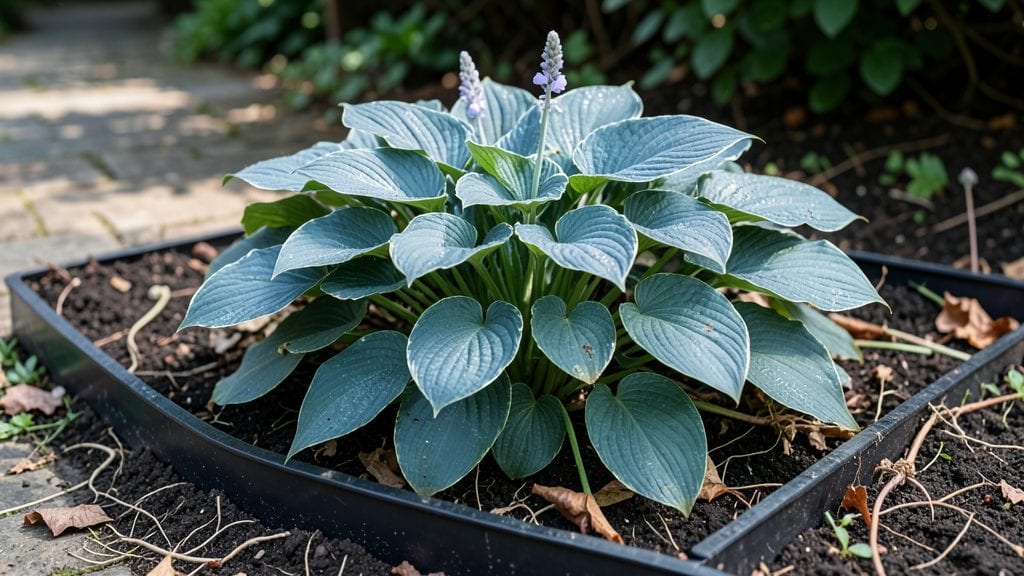
Plastic edging might seem convenient, but its rigid structure actually compresses soil over time, making it harder for roots to spread naturally. 🌱 The chemicals used to make plastic durable often seep into the soil as it degrades, potentially harming beneficial microbes and plant health.
Even worse, plastic's inability to breathe creates damp pockets where mold and mildew thrive—something I've seen ruin entire garden beds when ignored.
What's more surprising is how quickly plastic fails under UV rays. Within just a few years, it can become brittle and crack, leaving jagged edges that damage tools or even pets.
Many gardeners assume plastic is low-maintenance, but these hidden trade-offs make it one of the least sustainable edging choices available.
💡 In This Article
- How Plastic Edging Damages Soil Health
- Safer Alternatives to Plastic Garden Edging
How plastic edging damages soil health
Here's what's actually happening beneath your garden when you install plastic edging: The rigid material creates a physical barrier that prevents natural soil expansion and contraction. Over time, this causes compaction in a 2-4 inch zone along the edging, reducing pore space by up to 40%.
Roots need these air pockets to breathe and grow—without them, plants become stunted and more susceptible to drought stress. The problem worsens in clay soils, where compaction becomes permanent without mechanical aeration.
Chemical leaching is another silent killer. Most plastic edging contains phthalates and bisphenol A (BPA), which break down when exposed to heat and moisture. Studies show these compounds can persist in soil for years, disrupting microbial communities that break down organic matter.
For example, a 2018 University of California study found that plastic degradation products reduced earthworm populations by 35%—key players in soil aeration and nutrient cycling. The scent of fresh plastic fades, but the chemicals remain, slowly poisoning the ecosystem.
Moisture trapping creates the perfect storm for fungal diseases. Unlike porous materials, plastic doesn't allow water to evaporate, creating saturated zones where pathogens like Phytophthora thrive.
I've seen this firsthand in vegetable gardens where plastic edging led to sudden wilting in tomatoes and peppers—plants that should have thrived in the same soil conditions without the edging. The visual clue?
A white, cottony growth at the soil line where the plastic meets the ground, often accompanied by yellowing leaves.
Compare this to natural alternatives: Stone edging, for instance, allows water to drain while providing structural support. Wood decomposes slowly, enriching the soil with organic matter as it breaks down. Even metal edging (like galvanized steel) conducts heat away from plant roots, preventing overheating in summer.
The key difference is permeability—natural materials maintain soil's natural porosity while plastic creates an artificial, suffocating barrier.
What most people don't realize is how quickly plastic fails structurally. UV exposure breaks down polymers, causing cracks that appear within 2-3 years in most brands. These fractures become microhabitats for pests like slugs and earwigs, which then migrate to your plants.
The brittle edges can also snag garden tools, creating wounds that invite bacterial infections. It's a domino effect where one problem compounds others over time.
Consider this: A 5-foot section of plastic edging might cost $10 upfront, but the hidden costs include reduced plant yields, potential chemical contamination of your harvest, and the need to replace the edging every 3-5 years.
The environmental toll—plastic waste in landfills and microplastics in your soil—is the final piece of this damaging puzzle. 💫