
Pests
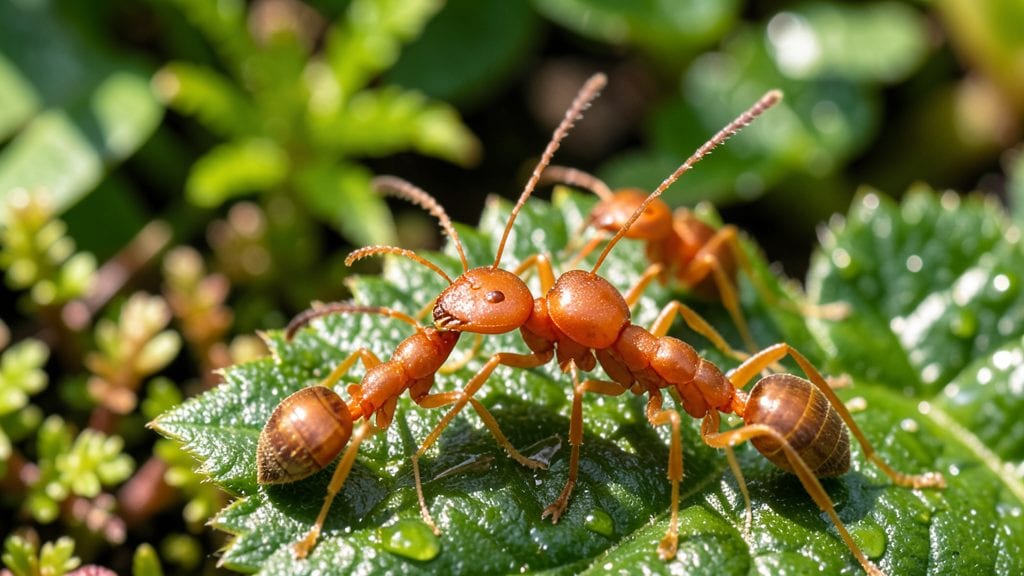
Orange ants marching through your garden aren’t just annoying—they’re a fast-moving problem that can strip plants bare in days. 🌿 I’ve seen them decimate citrus trees, devour seedlings, and even damage beneficial insects, but a citrus bait trap stops them dead in their tracks.
The key is leveraging their natural attraction to citrus while cutting off their food supply.
This method works because orange ants can’t resist the scent of citrus peels or juice—it’s like kryptonite to them. You’ll need just a few household items: a plastic container, citrus peels or juice, and a little patience.
The trap is simple, chemical-free, and eliminates entire colonies within 3-5 days if placed correctly. No more watching your garden become an ant highway.
By the end of the first week, you’ll see trails disappear and plants start recovering from the damage. The best part? This trap doesn’t harm bees, birds, or other beneficial critters—just the orange ants wrecking your garden.
Plus, it’s a one-time setup that keeps working until the colony is gone for good.
Works in vegetable gardens, citrus trees, and even houseplants—just adjust the bait placement. The secret is consistency: check traps daily and refresh the bait every 2-3 days. Once you’ve mastered this, your garden will stay ant-free without harsh chemicals.
📚 In This Guide
- What you need
- Instructions
- Tips and common mistakes
- Wrapping up and next steps
What you need
- ● Citrus fruit (oranges, lemons, or grapefruit) – 2-3 medium-sized fruits (fresh or slightly overripe for stronger scent)
- ● Sharp knife or peeler – For slicing or peeling the fruit
- ● Plastic or glass container – Small enough to hold fruit slices (e.g., 8 oz mason jar or Tupperware)
- ● Water – Enough to partially submerge fruit slices (about ½ cup)
- ● Plastic wrap or lid – To cover the container and keep ants trapped inside
- ○ Permanent marker – For labeling the trap (optional but helpful)
- ● Tongs or gloves – To handle traps without touching bait (keeps scent fresh)
- ● Drill (small hole, ~¼ inch) – For venting the lid if using a sealed container (prevents pressure buildup)
- ● Spray bottle with soapy water – For relocating live ants if you prefer non-lethal removal
- ● Outdoor-safe adhesive traps – Extra backup for stubborn colonies
- ● Camera or phone – To document the trap’s success (because science! 📸)
Instructions: set up the citrus bait trap for orange ants
Here's the fast, effective method I use to wipe out orange ant colonies within days.
🪴 Step 1: Gather Your Supplies and Prepare the Bait
You'll need 1 cup of fresh orange juice (the freshest, most potent juice works best), 2 tablespoons of powdered sugar, and 4 small containers (like plastic lids or shallow dishes). The sugar attracts the ants while the citrus disrupts their colony's communication.
Mix the orange juice and powdered sugar in a small bowl until the sugar dissolves completely. The solution should be thick but pourable. I like to use a squeeze bottle for precise pouring later—it keeps the bait contained and prevents spills. Place your containers where you've seen the most ant activity, especially near trails or mounds.
💧 Step 2: Place the Bait Strategically
Fill each container with about 1 tablespoon of the citrus-sugar mixture. Position them along active ant trails or near the nest entrance. Orange ants are drawn to sweet baits, but the citrus confuses their scent trails, forcing them to abandon the colony.
Check the bait stations after 24 hours. If the mixture dries out, add a few drops of fresh orange juice to keep it effective. Avoid placing bait near water sources or food—the ants need to carry the bait back to the colony, and any distractions will reduce its impact.
☀️ Step 3: Monitor and Refresh the Bait
Within 2-3 days, you'll see a noticeable decline in ant activity. The citrus disrupts their pheromone trails, causing them to lose their way and abandon the nest. Watch for ants carrying the bait back to their mound—this is your signal the trap is working.
Refresh the bait every 48 hours until the ant activity completely stops. I usually see full elimination within 5-7 days if the bait remains fresh. If you notice new trails appearing, set up additional bait stations along those paths.
✂️ Step 4: Clean Up and Prevent Future Infestations
Once the ants are gone, remove all bait containers and dispose of them. Wipe down surfaces with a vinegar solution (1:1 ratio) to eliminate any lingering scent trails. Orange ants are persistent, so repeat the process if you spot any stragglers.
To prevent future invasions, keep your garden free of standing water, fallen fruit, and sweet debris. I also recommend applying diatomaceous earth around entry points as a natural barrier—it dehydrates ants on contact without harming plants.
Tips & tricks for eliminating orange ant colonies fast
These quick strategies will help you tackle orange ant infestations efficiently without harsh chemicals.
Citrus Power: Fresh orange juice is key—never use bottled juice. The natural oils in freshly squeezed juice contain d-limonene, which disrupts ant communication. I always use the juice from 2-3 oranges to ensure potency. The sugar attracts them, but the citrus confuses their scent trails, forcing them to abandon the colony faster.
Bait Placement Strategy: In Step 2, place your bait containers along active ant trails or near the nest entrance. Look for tiny piles of dirt or tiny holes in the ground—these are signs of ant activity. I've found that placing bait near these spots dramatically increases effectiveness. The ants will carry the bait back to their colony, disrupting their entire system within 2-3 days.
Timing is Everything: The 24-hour check is crucial—this is when you'll see if the bait is working. If the mixture dries out before then, add a few drops of fresh orange juice to maintain effectiveness. The ants need to carry the bait back to the colony, and any distractions (like water or food) will reduce the trap's impact. Remember, the goal is to get them to bring the bait back to their nest, not just eat it at the bait station.
Refreshing the Bait: When refreshing every 48 hours, I like to use a small spray bottle with fresh orange juice to quickly revive dried-out bait. This keeps the citrus-sugar mixture potent and ensures the ants keep carrying it back to their colony. The 48-hour refresh schedule maintains the trap's effectiveness without overwhelming your garden with too many containers.
Pro Tips for Orange Ants In Garden
- These quick strategies will help you tackle orange ant infestations efficiently without harsh chemicals.
- Citrus Power: Fresh orange juice is key—never use bottled juice.
- Bait Placement Strategy: In Step 2, place your bait containers along active ant trails or near the nest entrance.
Frequently asked questions
about dealing with orange ants in your garden—here’s what you need to know before taking action!What do orange ants look like, and how do I confirm they’re the pest in my garden?
Orange ants (likely Pheidole megacephala) are small (1/8 inch) with a bright orange or reddish-brown body. The workers have a large head, while the queen and males are larger. Check for tiny mounds in warm, moist areas—these ants thrive in soil and often nest near citrus trees or under mulch. If you spot them trailing in lines, it’s a sign of an active colony!
How long does it take for citrus bait traps to eliminate an orange ant colony?
With citrus-based bait traps, you’ll typically see a reduction in ants within 3–7 days, but full eradication can take 2–4 weeks, depending on colony size. Consistency is key—reapply bait every 3–4 days until you no longer see worker ants. Patience pays off, as the bait works by poisoning the queen and workers over time!
Can I use regular orange peels or citrus scraps as bait instead of commercial traps?
While orange peels can attract orange ants, they’re not an effective long-term solution. Commercial citrus bait traps contain slow-acting toxins (like borax or fipronil) that kill the colony from within. Plain peels won’t eliminate the problem—ants will just move on. For best results, stick with pre-mixed bait stations designed for these pests.
Will citrus bait harm my plants, pets, or beneficial insects like bees and ladybugs?
When used correctly, citrus bait traps are low-risk for plants and pets. The bait is formulated to target ants specifically, but keep it out of reach of children and pets. For beneficial insects, place traps away from hives or ladybug habitats. Always follow label instructions—overuse can harm soil microbes, so apply sparingly and in targeted areas.
What should I do if the ants keep coming back after treating?
Persistent ants often mean multiple colonies or a queen surviving in a hidden nest. Try these steps:
Wrapping up and next steps
Dealing with orange ants in your garden doesn’t have to be a losing battle! By using a citrus bait trap, you can effectively target and eliminate entire colonies—without harsh chemicals. This method is eco-friendly, budget-friendly, and surprisingly simple once you know the steps. 🌿
Ready to reclaim your garden? Start today—set up your traps, monitor the activity, and watch those pesky orange ants disappear! For extra peace of mind, consider preventative measures like maintaining healthy soil and removing food sources. You’ve got this! 🚀