
Pests and Diseases
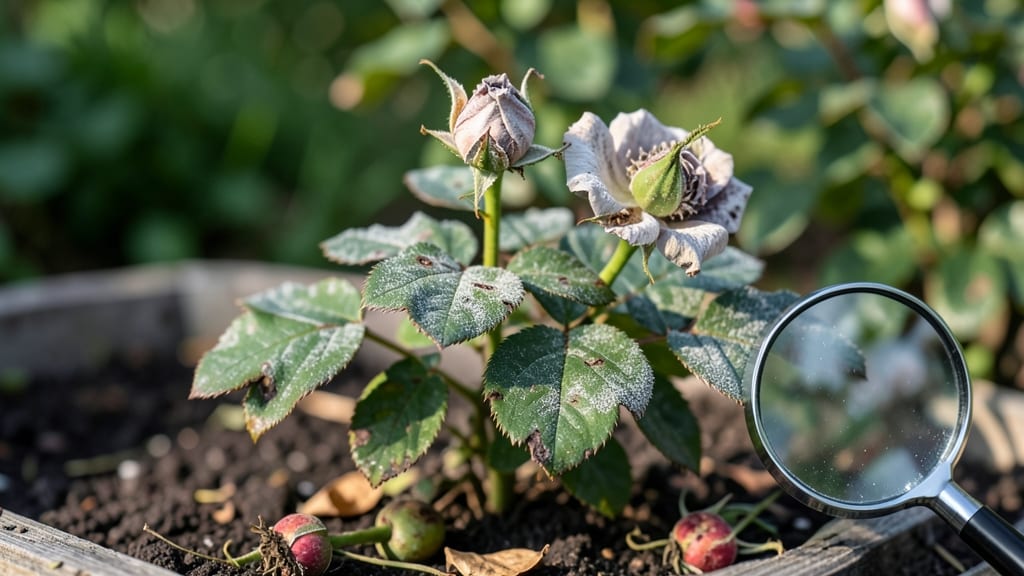
That white powdery film ruining your plants isn’t just unsightly—it’s stealing their energy. ✨ I’ve battled white garden mold on roses, tomatoes, and even soil, and the vinegar-baking soda combo stops it dead in its tracks without harsh chemicals.
The key? Spraying when conditions are right and fixing the root causes that keep it coming back.
Most of the time, this mold thrives because of damp leaves, crowded plants, or old mulch. Prune for airflow, water at the base (not overhead), and clear debris—those simple moves cut off its food supply.
The spray itself is a 2-minute mix that works on leaves, pots, and even garden tools. No scrubbing, no waiting.
Within days, you’ll see fresh green growth where there was once white fuzz. The plants breathe easier, resist pests better, and keep producing like nothing happened. Best part? This solution won’t harm beneficial insects or your soil’s good bacteria.
Works for powdery mildew, soil mold, and even fungal spots on wood. The secret’s in the follow-up—keep those leaves dry and the air moving. Here’s exactly how to make it and when to reapply.
The Hidden Triggers Behind Fungal Growth
That fuzzy white blanket creeping across your soil or mulch isn’t just an eyesore—it’s a sign your garden’s moisture, warmth, and organic matter are playing host to Penicillium, Aspergillus, or other common mold spores.
Understanding the root causes helps you tackle the problem at its source. Let’s break down why these molds thrive—and how to disrupt their party.
Mold spores are always floating in the air, but they need consistent dampness to germinate and spread. When soil stays soggy for days—whether from overwatering, poor drainage, or heavy rain—spores land on a perfect breeding ground. Here’s why it happens:
- Poor drainage: Compacted or clay-heavy soil traps water, creating an anaerobic (low-oxygen) environment where mold outcompetes beneficial microbes. 🌡️ Test it: Dig a 6-inch hole; if water pools after 1 hour, drainage is the issue.
- Overwatering: Light daily sprinkles keep the top layer of soil perpetually moist. Mold loves this—it’s like a spa retreat for fungi. ⏰ Fix it: Water deeply but infrequently (1–2 inches per week, including rain).
- Mulch that’s too thick: A 3–4 inch layer of mulch helps retain moisture, but piles deeper than 6 inches suffocate soil and trap humidity. 🍄 Pro tip: Fluff mulch annually to improve airflow.
Science alert: Mold spores need at least 24–48 hours of moisture to start growing. If your soil dries out between waterings, you’re already winning the battle.
Mold isn’t just a summer nuisance—it peaks when temperatures hover between 60°F and 85°F (15°C–30°C) and humidity stays above 60%. Here’s how your garden becomes a fungal paradise:
- Shady spots: Direct sunlight evaporates moisture, but dappled shade (like under trees or tall plants) keeps soil damp longer. 🌳 Solution: Thin out dense foliage to let sunlight reach the ground.
- Afternoon watering: Irrigating in the heat means water lingers on leaves and soil, creating a humid microclimate. ⏳ Best practice: Water early in the morning so surfaces dry by noon.
- Greenhouses or containers: Enclosed spaces trap heat and moisture, accelerating mold growth. 🏠 Ventilate: Use fans or open vents to reduce humidity below 50%.
Fun fact: Some molds (like Penicillium) actually prefer slightly cooler temps (60–70°F) but still need humidity. That’s why you might see it in spring or fall—when nights are cool but days stay warm.
Mold doesn’t just appear out of thin air—it feeds on decaying plant matter. Leaves, grass clippings, and even old mulch become a smorgasbord for fungi. Here’s how it happens:
- Freshly cut grass or leaves: Nitrogen-rich clippings or fallen leaves create a high-protein feast for mold. 🌿 Avoid: Never pile grass clippings directly on garden beds; compost them first.
- Old mulch or wood chips: As mulch breaks down, it forms a thick, damp mat that mold loves. 🪵 Rotate: Replace mulch every 1–2 years or mix in compost to speed decomposition.
- Dead plants or weeds: Leftovers from pruning or pulled weeds provide a perfect mold incubator. ⚰️ Remove: Clear debris immediately or compost it in thin layers (no more than 3 inches deep).
Key insight: Mold needs both moisture and organic material to thrive. If you remove one, you starve the problem. For example, drying out mulch or removing food sources can stop mold before it starts.
A balanced soil ecosystem keeps mold in check by fostering competition from bacteria, beneficial fungi, and microbes. But when soil is nutrient-poor or chemically imbalanced, mold takes over. Here’s how:
- Low microbial diversity: Healthy soil teems with bacteria that outcompete mold for resources. 🦠 Boost it: Add compost or mycorrhizal fungi to restore balance.
- High nitrogen, low phosphorus/potassium: Mold thrives when plants can’t access nutrients efficiently, leaving organic matter to rot. 📊 Test your soil: A simple pH test (aim for 6.0–7.0) can reveal imbalances.
- Chemical buildup: Overuse of synthetic fertilizers or pesticides kills beneficial microbes, leaving mold as the dominant organism. 🚫 Switch to: Organic amendments like worm castings or seaweed extract.
Remember: Mold is a symptom of an unbalanced garden. Fix the underlying issue (like compacted soil or poor drainage), and you’ll see fewer outbreaks long-term.
Quick Fixes for Fungal Fuzz
White garden mold—whether it’s powdery mildew, downy mildew, or even that fuzzy white residue on mulch—can feel like an unwelcome guest in your garden. But don’t stress! With the right approach, you can tackle it fast and keep your plants thriving.
Below are targeted solutions based on the most common causes, plus prevention tips to keep mold from crashing your garden party again.
When plants are too close together, airflow suffers, and moisture lingers—perfect conditions for mold to throw a party. Here’s how to break it up:
- 🔥 Trim and Space Out Plants Prune back dense foliage (especially on tomatoes, roses, and squash) to improve airflow. Space plants according to their mature size—check seed packets for guidance.
- 🍳 DIY Fungicide Spray (Fast-Acting!) Mix 1 part baking soda + 1 quart water + 1 tsp dish soap (the soap helps it stick). Spray affected leaves early in the morning (avoid direct sunlight to prevent leaf burn). Reapply every 7–10 days until mold disappears.
- 👨🍳 Prevent Future Outbreaks
- Stagger planting instead of sowing everything at once.
- Mulch lightly (2–3 inches max) to avoid trapping moisture.
- Water at the base (not overhead) to keep leaves dry.
Mold loves dampness—whether from overwatering, poor drainage, or soggy mulch. Dry it out and fix the source:
- 🥘 Adjust Watering Habits
- Water deeply but infrequently (early morning is best).
- Avoid drip irrigation on leaves—use soaker hoses or drip lines at the soil level.
- Test your soil: Stick your finger in the top inch—if it’s damp, wait before watering again.
- 🔪 Refresh or Replace Mulch If mulch is wet and moldy, rake it away and let the soil dry out for a day. Replace with coarse mulch (like pine straw or shredded bark) that drains better.
- ⏰ Speed-Dry Wet Areas Use a fan on low setting to circulate air around potted plants or shaded beds. For large areas, move sprinklers to avoid oversaturating one spot.
Sometimes mold hitches a ride on dirty tools, compost, or even last year’s plant debris. Sanitize and refresh:
- 🌡️ Vinegar Soak for Tools Soak gardening shears, trowels, and pots in a 1:1 vinegar-water solution for 10 minutes. Rinse and dry thoroughly before reuse.
- 🎯 Sterilize Compost Piles
- Turn compost frequently to speed up decomposition and reduce mold.
- Add dry leaves or straw to balance moisture.
- If mold is black and slimy (not white), it’s overwatered—pause adding greens (like grass clippings) until it dries out.
- ✨ Pre-Treat Soil Mix 1 cup hydrogen peroxide (3%) per gallon of water) and lightly water the soil around affected plants. This kills spores without harming plants.
White mold can also take over terracotta pots, garden furniture, or wooden decking. Scrub and seal:
- 🧼 Clean with Bleach (Diluted!) For hard surfaces, mix 1 tbsp bleach per gallon of water, scrub with a stiff brush, and rinse well. Never use bleach on plants!
- 🔥 Baking Soda Paste for Pots Make a paste with baking soda + water, scrub moldy pots, then rinse. Let dry in the sun to prevent regrowth.
- 🛡️ Seal Wooden Surfaces After cleaning, apply a vinegar-based wood sealant to prevent future mold. For decking, choose mold-resistant stains.
- 🌞 Maximize Sunlight: Mold thrives in shade—rotate plants seasonally for even sun exposure.
- 🍂 Clean Up Debris: Remove fallen leaves and spent plants weekly to deny mold a home.
- 🌿 Choose Resistant Plants: Opt for mildew-resistant varieties (e.g., ‘Liberty’ zucchini or ‘Blaze’ tomato).
- 🌡️ Monitor Humidity: Use a hygrometer—keep indoor/outdoor garden areas below 60% humidity.
Remember: Act fast, but don’t panic! Most mold issues clear up in a week or two with consistent care. Your garden will be back to lush and mold-free in no time. 🌿✨
Frequently asked questions
Is white garden mold always harmful to plants?
Not all white mold is dangerous! Powdery mildew on leaves is a fungus that weakens plants, but harmless white mold on soil (like Penicillium) is just decomposing organic matter. The key difference? Harmful mold grows on living plants and appears fuzzy or powdery, while harmless soil mold looks like white dust and doesn’t spread aggressively.
Can I use vinegar to treat white mold on plants?
Yes, but dilute it properly! Mix 1 part white vinegar with 3 parts water and spray on affected areas in the early morning. Avoid spraying when leaves are wet or in direct sunlight—vinegar can cause leaf burn. Reapply every 3-5 days until the mold disappears. For stubborn cases, add 1 teaspoon of baking soda to the mix.
Why does my garden keep getting mold even after I clean it?
Mold loves recurring conditions! If you’re still seeing it, check these common triggers: Poor airflow (crowded plants), overwatering (damp soil for >48 hours), or organic debris (old mulch/leaves). Fix the root cause first—prune plants, adjust watering, and clear debris—then treat with a fungicide. Without fixing these, mold will just return.
Is baking soda safe for all plants?
Most plants tolerate baking soda, but avoid using it on acid-loving plants like blueberries, azaleas, or gardenias. For these, try neem oil or hydrogen peroxide instead. Always do a patch test on a small leaf area first, and never exceed 1 tablespoon per gallon of water—too much can harm beneficial soil microbes.
How can I prevent mold in my greenhouse?
Greenhouses are mold magnets due to trapped humidity! Ventilate daily (open vents or use fans), water in the morning, and space plants 12+ inches apart for airflow. Add a dehumidifier if needed, and wipe down surfaces weekly with a 1:10 bleach-water mix (rinse well). Use reflective mulch to reduce heat buildup, which increases humidity.