Landscaping
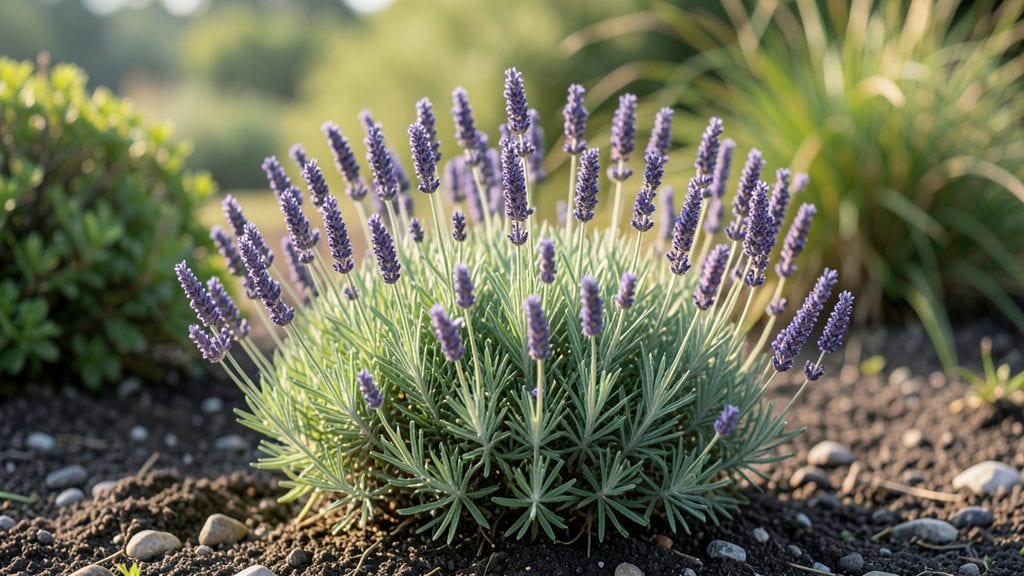
This outdoor garden idea of low-maintenance pathways with native stone and wildflowers turned my weed-plagued yard into a peaceful escape—simply by swapping mulch for gravel and letting nature take over. natural stone and let wildflowers take over the edges.
The result? A space that looks intentional but requires almost no work from me.
This design works for any climate, from sunbaked deserts to shady woodland edges, because native plants thrive with minimal watering once established. You’ll need smooth river rocks or locally sourced fieldstone for the pathways, paired with wildflower seeds suited to your region.
The key is letting nature do most of the work—just clear debris occasionally and enjoy the pollinators that flock to the blooms.
Imagine stepping onto cool, dry stone that stays weed-free year-round, flanked by swaths of purple coneflowers, black-eyed Susans, and goldenrod swaying in the breeze. The pathways stay firm underfoot while the wildflowers provide food for bees and butterflies, turning your garden into a low-maintenance ecosystem.
Best of all, the colors shift with the seasons, giving you free seasonal interest.
Perfect for small urban yards, rural acreages, or everything in between—this approach scales effortlessly. Whether you’re replacing a tired mulch bed or designing a new garden from scratch, these pathways create structure while keeping maintenance to a bare minimum. Let’s get your garden looking effortless!
Root Causes of Garden Struggles
Even the most well-planned outdoor garden can face challenges—especially when using native stone and wildflowers. Understanding the why behind common issues helps you design pathways and landscapes that thrive with minimal effort. Here’s a breakdown of the key factors that disrupt harmony in your garden:
Native stone and wildflowers often struggle when the soil isn’t properly suited to their needs. Here’s why:
- Compacted or Clay-Heavy Soil:
Clay soils retain too much water, suffocating roots and preventing wildflowers from establishing. Native stone pathways can worsen this by blocking natural drainage, creating waterlogged zones where plants rot.
Solution: Amend soil with compost or sand to improve aeration before planting. - Lack of Organic Matter:
Wildflowers thrive in nutrient-rich, loose soil. If your garden soil is depleted (common in urban or heavily trafficked areas), seeds may fail to sprout or grow weakly.
Solution: Mix in 2–3 inches of compost or leaf mold into the topsoil before sowing. - pH Imbalances:
Most native wildflowers prefer slightly acidic to neutral soil (pH 6.0–7.5). Alkaline or overly acidic conditions can stunt growth or attract pests.
Solution: Test soil pH with a kit and adjust with sulfur (to lower pH) or lime (to raise it) as needed.
Extreme weather, sunlight exposure, and microclimates can turn a dreamy garden into a battleground. Here’s how:
- Over- or Under-Exposure to Sun:
Wildflowers like Echinacea (coneflower) need full sun (6+ hours/day), while others (e.g., Heuchera) prefer partial shade. Misjudging light conditions leads to leggy stems, yellowing leaves, or failed blooms.
Solution: Map your garden’s sunlight patterns for at least a week before planting. - Wind Damage:
Open areas with loose stone pathways can create wind tunnels, uprooting young wildflowers or snapping delicate stems. This is especially true in exposed or coastal gardens.
Solution: Use windbreaks like shrubs (Juniperus or Cotoneaster) or low stone borders to shield plants. - Temperature Swings:
Wildflowers adapted to your region may still struggle with sudden freezes or heatwaves. For example, Black-Eyed Susans can bolt (flower prematurely) in hot springs.
Solution: Choose late-summer-blooming varieties for heat tolerance or mulch to regulate soil temperature.
Native stone pathways can unintentionally create hiding spots for pests, while wildflowers may attract unwanted visitors if not managed. Common culprits include:
| Pest/Disease | Why It Happens | Actionable Fix |
|---|---|---|
| Japanese Beetles | Lure wildflowers like roses or Phlox with their sweet nectar, defoliating plants in days. | Handpick beetles early morning or use neem oil as a deterrent. |
| Slugs and Snails | Thrive in moist, shaded areas under stone pathways, munching on young seedlings. | Set up beer traps or apply diatomaceous earth around planting zones. |
| Powdery Mildew | Fungal spores spread in humid conditions, coating leaves and blocking sunlight. | Space plants for airflow and spray with a baking soda solution (1 tsp baking soda + 1 quart water + a drop of soap). |
| Deer and Rabbit Browsing | Native stone edges provide cover for herbivores to nibble on tender wildflowers. | Install motion-activated sprinklers or plant deer-resistant ground covers like Creeping Thyme. |
Wildflowers are drought-tolerant, but poor watering habits can undo their resilience. Here’s how mistakes happen:
- Inconsistent Moisture:
Wildflowers need deep but infrequent watering (1–2 inches per week). Shallow, frequent watering encourages weak roots and fungal growth.
Solution: Use drip irrigation or soaker hoses to deliver water directly to the root zone. - Overwatering:
Stone pathways can create "lens" effects, trapping water and drowning roots. This is common in sloped or poorly drained areas.
Solution: Design pathways with a slight crown (higher in the center) to shed water away from plant beds. - Wrong Time of Day:
Watering in the evening keeps foliage damp overnight, inviting disease. Mid-morning (before 10 AM) is ideal.
Solution: Set up a timer for automated watering during peak evaporation hours.
Pro Tip: 💡 Observe your garden’s "problem zones" for 2–3 weeks before planting. Note where water pools, where pests gather, or where sunlight fades—these clues will help you design pathways and plant layouts that work with nature, not against it.
Quick fixes for common garden path problems
Transforming your outdoor space with native stone and wildflowers is a dream, but even the most stunning pathways can face challenges.
Whether it’s weeds choking your stones, erosion washing away your hard work, or drainage turning your walkway into a mud pit, these practical solutions will help you restore balance—and keep your garden thriving with minimal effort.
Cause: Weeds thrive in gaps between stones or in soil pockets, stealing nutrients and making your pathway look unkempt.
Fix It: 🔥 Step 1: Pull or Smother Start by hand-pulling weeds (wear gloves!). For stubborn roots, use a weed torch (safely!) or boiling water to kill them on contact. Pro tip: 💡 Apply a thin layer of landscape fabric under stones before planting to block weeds long-term.
👨🍳 Step 2: Prevent Regrowth Sprinkle corn gluten meal (a natural pre-emergent) around the edges of your pathway. It stops weed seeds from germinating without harming wildflowers or grass.
🌡️ Maintenance Tip:
- Mulch with gravel (not wood chips) around wildflower beds to suppress weeds while keeping your stones looking sharp.
Cause: Heavy rain or foot traffic can dislodge stones and wash away soil, leaving your pathway uneven or sunken.
Fix It: 🔧 Step 1: Reinforce the Base Dig a shallow trench (2–3 inches deep) along the edges of your pathway, then fill it with compacted gravel (like crushed stone). This creates a sturdy foundation that resists erosion.
🏗️ Step 2: Secure the Stones For loose stones, use landscape adhesive (like a stone glue) or edging metal strips to lock them in place. For larger stones, interlocking them tightly (like a puzzle) prevents shifting.
⏰ Long-Term Solution:
- Add a slight slope (1–2%) away from your garden beds to redirect water flow. This keeps soil in place and protects your wildflowers.
Cause: Poor drainage causes puddles, which erode soil and make walking messy. Clay soil or low-lying areas worsen the problem.
Fix It: 🌧️ Step 1: Improve Water Flow Create a French drain by digging a trench (6–12 inches deep) alongside your pathway, filling it with gravel, then covering it with landscape fabric and soil. This redirects water away from your stones.
🔪 Step 2: Elevate Problem Areas If your pathway sits in a dip, raise it slightly by adding a layer of compacted sand or crushed stone before laying new stones. For wildflower beds, mound soil slightly to encourage drainage.
🎯 Pro Tip:
- Plant deep-rooted grasses (like sedges) near drainage-prone spots—they absorb excess water naturally.
Cause: Squirrels, rabbits, or insects may nibble on wildflower seeds, mulch, or even soft stone edges (like limestone).
Fix It: 🛡️ Step 1: Physical Barriers Wrap wire mesh around young wildflower seedlings or use stone edging to deter burrowing pests. For squirrels, spray hot pepper wax (a natural repellent) on stone edges.
🐇 Step 2: Natural Deterrents Plant pest-repelling companions near your wildflowers, like:
- Marigolds (deter rabbits)
- Lavender (keeps deer away)
- Garlic or chives (insect-repellent powerhouses)
✨ Bonus:
- Scatter coffee grounds around stone edges—caffeine deters slugs and snails!
Final Thought: Most pathway problems are fixable with simple adjustments—whether it’s smothering weeds, reinforcing bases, or tweaking drainage. The key? Act early and prevent recurrence with low-maintenance materials. Your garden will stay beautiful with almost no effort!
Frequently asked questions
What’s the best stone size for low-maintenance pathways?
Use 2-3 inch diameter stones for stability and drainage. Smaller stones (<1 inch) can shift easily, while oversized rocks (>4 inches) create gaps where weeds grow. Flat, irregular stones like slate or fieldstone interlock better than rounded river rocks.
How do I choose wildflowers that thrive with minimal water?
Select native wildflowers adapted to your climate, like black-eyed Susans or purple coneflowers. These need only 1 inch of water per week once established. Avoid non-native species—they often require more care. Check local nursery seed mixes labeled "drought-tolerant."
Can I install these pathways on a slope?
Yes! Use terracing with stone edges to prevent erosion. Create 1-2 foot wide steps with stones, filling gaps with gravel. For steep slopes, add retaining walls or plant deep-rooted ground covers like creeping thyme between steps. Always slope pathways slightly away from garden beds to redirect water.
Will this design work in shady areas?
but choose shade-tolerant plants like heuchera (coral bells) or ajuga (bugleweed) alongside wildflowers. Use larger stones in shady spots to reduce weed growth. Mulch with wood chips instead of gravel to retain moisture—just avoid wood near stone pathways to prevent mold.
How much does this project cost compared to mulch pathways?
Stone pathways cost $3-$8 per square foot (including labor), while mulch beds run $1-$3 per square foot. However, stone lasts decades with no replacement, while mulch needs annual refreshers. Wildflower seeds add $0.50-$2 per square foot—far cheaper than maintained lawns or ornamental plants.