
Size
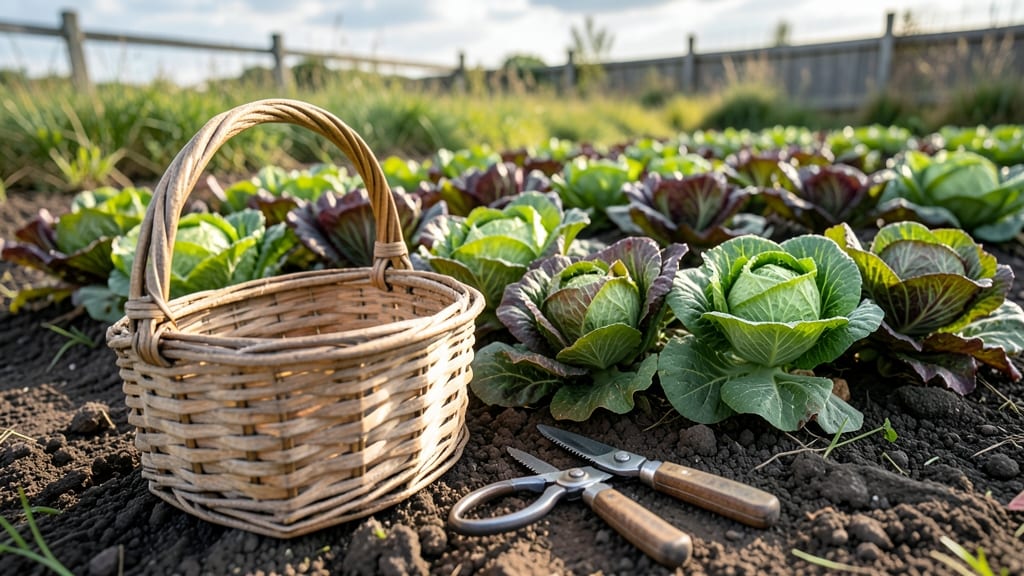
Victory gardens weren't just about growing food—they were a patriotic movement that turned backyards into battlefields for hunger. 🌱 With 40% of the U.S. food supply redirected to troops overseas by 1943, families planted everything from potatoes to tomatoes to keep their own tables full.
The government even distributed free seeds and published planting guides, framing gardening as a direct contribution to the war effort. These gardens proved so effective that they produced nearly 40% of all U.S. vegetables during the war years, easing rationing pressures significantly.
What made victory gardens uniquely powerful was their adaptability. Urban dwellers grew containers on fire escapes, while rural families expanded their plots. The movement also fostered community—neighbors shared tools, swapped seedlings, and celebrated harvests together.
This grassroots effort didn't just feed families; it rebuilt morale during a time of national sacrifice.
💡 In This Article
- How WWII Disrupted Global Food Supply Chains
- Victory Garden Success: Planting and Maintenance Tips
How WWII disrupted global food supply chains
The war created a perfect storm against food distribution. German U-boats sank 1,400 merchant ships in 1942 alone, cutting off 40% of U.S. imports—including 80% of rubber and 25% of oil—that kept agricultural machinery running.
Without tractors and fertilizers, farms struggled to maintain output while military demand soared. 🌍 The U.S. alone sent 15 million tons of food to Allied forces annually, leaving domestic shelves bare.
Rationing wasn't just about scarcity—it was strategic. The government introduced meatless Tuesdays and wheatless Wednesdays in 1942, then expanded to 32 rationed items by 1943, including sugar, coffee, and canned goods. A family's annual sugar ration?
Just 18 pounds—down from 40 pounds pre-war. 📉 These limits forced families to rely on homegrown staples like potatoes (which needed no ration coupons) and preserved foods.
Labor shortages hit farms hardest. 18 million men entered military service by 1945, including 40% of agricultural workers in some states. Women stepped in—25% of U.S. farm labor became female—but even they faced fuel shortages for transport.
The average American's diet dropped 10-15% in calories by 1943, with proteins like eggs and dairy disappearing from many tables.
Victory gardens became the solution. By 1944, 20 million gardens covered 1.2 million acres—producing 40% of U.S. vegetables.
The government promoted "easy" crops like tomatoes (which grew in small spaces) and carrots (resistant to poor soil). 🥕 Even urban apartments grew herbs in pots—the equivalent of 100 acres of city greens by war's end.
Shipping blockades weren't just an Atlantic problem. Japan's control of Southeast Asia cut off 90% of U.S. tin and rubber imports by 1942, crippling canning and packaging industries. Without metal for cans, families preserved food through water bath canning or root cellars.
The war turned grocery shopping into a coupon-based scavenger hunt, where a single can of peaches might require 3 different ration stamps.
Here's what most people overlook: The psychological impact. Food became a patriotic symbol. Posters showed Uncle Sam pointing at empty plates with the words "Food Will Win the War."
Families who grew gardens displayed signs reading "We're Doing Our Bit"—turning dirt into a battlefield for morale. 💛 The gardens didn't just feed bodies; they fed the narrative of resilience.
The disruption wasn't just temporary. Post-war, many families kept gardening—proving that self-sufficiency had become a cultural habit. Today, urban farming revival echoes those wartime lessons: 75% of U.S. cities now have community garden programs, a direct descendant of the victory garden movement.
The war didn't just teach us to grow food—it taught us that food security starts in our own hands. ✨