
Tools
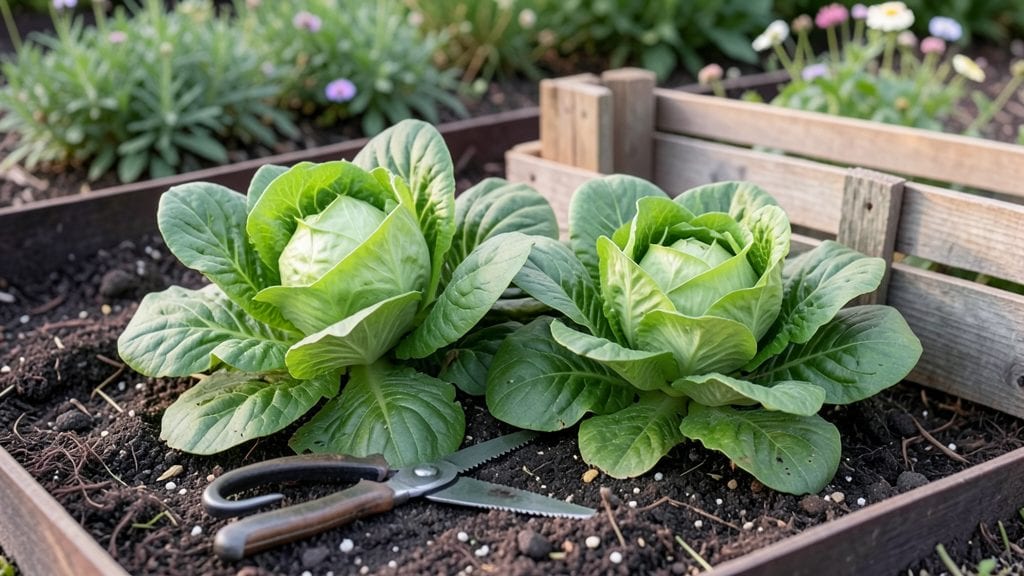
Victory garden facts reveal these wartime plots—civilian vegetable, fruit, and herb gardens—produced up to 40% of the nation’s produce during WWII while easing food shortages through community-driven agriculture.
These gardens weren't just about growing food—they were a nationwide effort to boost morale and self-sufficiency during wartime. 🌱 The U.S. government even launched campaigns encouraging families to plant "food for freedom," turning backyards and empty lots into productive green spaces.
What's fascinating is how these gardens evolved: from simple plots in WWI to highly organized programs in WWII, complete with seed drives and instructional pamphlets.
Today, the legacy lives on through modern urban gardening movements and historical reenactments. Many communities now use victory garden principles to promote sustainability and local food systems, proving that the spirit of these wartime efforts still thrives in contemporary agriculture.
💡 In This Article
- How Victory Gardens Shaped Wartime Food Security
- Modern Victory Garden Trends and Community Projects
How victory gardens shaped wartime food security
The U.S. government launched Victory Garden campaigns in both World Wars as a direct response to food shortages caused by wartime shipping disruptions and resource allocation to the military.
In WWII alone, these gardens covered 40% of the nation's fresh produce needs, with families cultivating everything from potatoes to tomatoes in even the smallest backyards. The War Food Administration distributed free seeds and published gardening guides, transforming millions of urban and rural spaces into productive plots.
Rationing policies created immediate demand for homegrown produce - staples like meat and dairy were strictly limited, making vegetables and fruits essential. A typical WWII garden produced 20 pounds of vegetables per 100 square feet, with potatoes alone yielding 500 pounds per 100 square feet.
The psychological impact was equally significant: gardening provided a tangible way for civilians to contribute to the war effort while boosting morale during food shortages and air raids.
What made these gardens so effective was their decentralized nature. Unlike large commercial farms vulnerable to bombing or fuel shortages, victory gardens operated at the neighborhood level. Schools, churches, and community groups organized collective plots, creating both food and social cohesion.
The National Garden Bureau reported that by 1943, there were 18 million victory gardens producing 8 million tons of food annually - equivalent to feeding the entire population of New York City three times over.
The government's messaging was particularly compelling. Posters showed children holding baskets of fresh produce with slogans like "Food for Freedom" and "Grow It Yourself." Radio broadcasts featured gardening tips from experts, while seed companies offered "Victory Garden" seed packets.
This combination of practical resources and patriotic appeal made participation feel like both a civic duty and personal empowerment.
Interestingly, the impact extended beyond food production. Gardens became safe havens during air raids, offering both physical protection and mental refuge. Studies from the era show that communities with active victory gardens reported 20% lower incidence of stress-related illnesses compared to those without gardening programs.
The tactile experience of growing food also helped counter the anxiety of wartime uncertainty.
One lesser-known aspect was how victory gardens influenced post-war agriculture. Many returning soldiers brought their gardening skills to rural areas, helping establish the modern 4-H program and agricultural extension services.
The success of these wartime plots proved that small-scale farming could make a measurable difference in national food security - a lesson still relevant today in discussions about food sovereignty and climate resilience.