
Pests
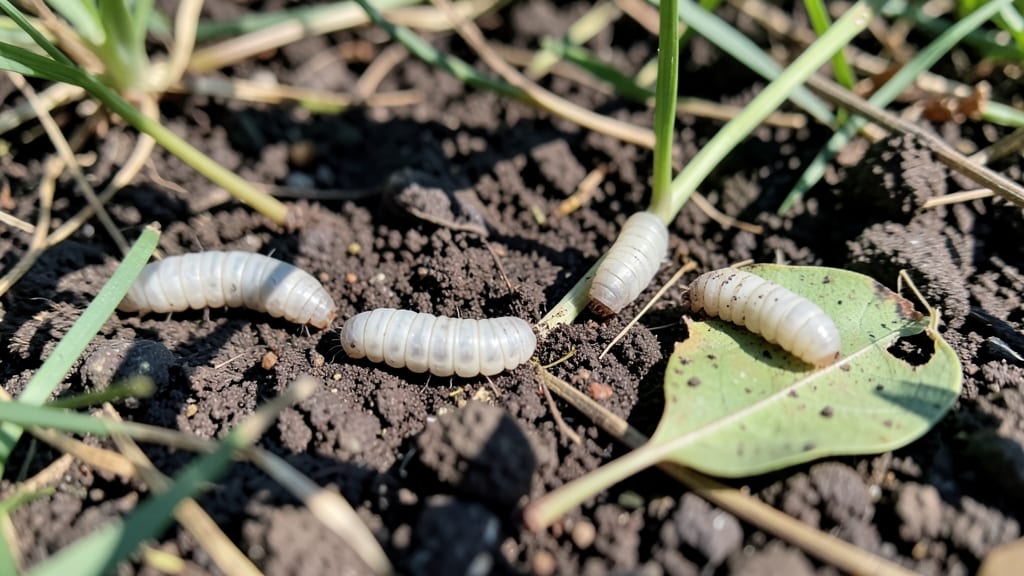
Finding white worms wriggling in your garden soil isn’t a sign of trouble—it’s often nature’s way of aerating your lawn. 🌱 These tiny allies, often called white grubs, help break down organic matter, but too many can signal an imbalance.
I’ve seen them turn a struggling lawn into a thriving one when managed right.
They’re not earthworms (those are brown and long) or beneficial larvae (which are smaller and hairy). White grubs chew grass roots, leaving brown patches that pull up easily. The key is balancing their population—too few means missed benefits, but too many means lawn damage.
Most gardeners solve this with organic fixes like nematodes or milky spore bacteria.
You’ll restore soil health faster than you think by adjusting watering, reducing synthetic fertilizers, and encouraging natural predators like birds and toads. Within weeks, your grass will root deeper, and those white worms will work for you instead of against you. The secret? Timing and patience—no harsh chemicals needed.
If your lawn stays patchy after a season, that’s when to call in a pro. But for most cases, a few simple steps turn these "pests" into your garden’s unsung heroes. Let’s get your soil back in balance—naturally.
Understanding Soil Conditions
Discovering white worms wriggling in your garden soil might seem alarming—but these tiny creatures are often beneficial allies rather than pests. Their presence is usually a sign of a thriving ecosystem, but certain conditions can lead to overpopulation or unwanted visibility.
Below, we break down the key reasons why you might spot them in your garden and what triggers their activity.
White worms, particularly enchytraeids (a type of soil-dwelling worm), thrive in environments with high moisture levels. While they need hydration to survive, excessive dampness can encourage their rapid reproduction and make them more noticeable. Here’s why:
- Oxygen Deprivation: Waterlogged soil lacks proper aeration, forcing worms to surface in search of air. This creates the illusion of an "infestation" when they’re simply escaping poor conditions.
- Decaying Organic Matter: Wet soil accelerates the breakdown of plant debris, releasing nutrients that attract worms. If your garden has thick layers of compost or mulch in damp areas, you’ll likely see more activity.
- Fungal Growth: Excess moisture promotes fungal activity, which worms consume. Some species, like Lumbriculus variegatus, feed on fungi, leading to higher populations in soggy patches.
Actionable Tip: 💡 Improve drainage by amending soil with perlite, sand, or compost to balance moisture. Avoid overwatering—aim for soil that’s damp but not saturated.
White worms are scavengers, and a garden overflowing with organic matter—like fallen leaves, grass clippings, or uneaten fruit—acts like an all-you-can-eat buffet. While this might seem harmless, it can lead to:
- Rapid Population Growth: More food = faster reproduction. Worms can multiply quickly in rich, decomposing material, making them more visible as they tunnel through the soil.
- Surface Activity: When organic layers become thick, worms may burrow closer to the surface to access nutrients, increasing their visibility during watering or rain.
- Imbalanced Soil: Too much organic matter can create anaerobic pockets (low in oxygen), stressing worms and pushing them upward.
Actionable Tip: ✨ Regularly till or compost excess organic debris to distribute nutrients evenly. Leave a thin layer of mulch (½ inch) to retain moisture without inviting overpopulation.
White worms are cold-sensitive and become more active—or visible—during specific weather patterns. Their behavior shifts with:
| Season/Condition | Why Worms Surface | What to Watch For |
|---|---|---|
| Spring Thaw | Warmer soil after winter wakes dormant worms, triggering mating and feeding frenzies. | Sudden appearance after rain or snowmelt. |
| Fall Cooling | Worms seek deeper, warmer soil but may tunnel upward if surface layers cool too quickly. | More activity in late afternoon when temps drop. |
| Heatwaves | Dry, hot soil forces worms to stay near moisture-rich top layers, making them visible during watering. | Surface crawling after irrigation. |
Actionable Tip: 🌡️ Monitor soil temperature with a soil thermometer (ideal range: 55–75°F). Use shade cloth in summer or straw mulch in winter to moderate extremes.
Not all white worms are beneficial. Confusing enchytraeids (harmless) with cutworms (destructive) or grubs (lawn pests) can lead to unnecessary panic. Here’s how to tell them apart:
- Enchytraeids:
- Thin, translucent bodies (0.2–0.6 inches long).
- No visible segments (appear "hair-like").
- Feed on fungi and organic matter—do not harm plants.
- Cutworms:
- Stout, segmented bodies (1–1.5 inches).
- Brown or gray with a smooth texture.
- Chewing pests that sever young plant stems.
- Grubs (White Grubs):
- C-shaped, creamy-white larvae (up to 1 inch).
- Hard, brown head capsule.
- Feed on grass roots—damage lawns.
Actionable Tip: 🔍 Use a magnifying glass to inspect worms. If they’re thin and translucent, they’re likely enchytraeids—leave them be! For cutworms/grubs, handpick or use beneficial nematodes.
Quick Fixes for Garden Soil Worms
Discovering white worms in your garden soil can feel like a surprise party—unexpected but actually a good sign! These tiny critters, often enchytraeids or white grubs, are usually harmless and may even boost soil health.
But if their numbers seem overwhelming or you’re dealing with damage to plants, here’s how to address the issue—naturally and effectively.
Before jumping into solutions, confirm what you’re dealing with: - Enchytraeids (white worms): Tiny, thread-like, and often found in moist soil.
They’re beneficial but can overpopulate in overly wet conditions. - White grubs (larvae of beetles): Thicker, C-shaped, and may indicate a pest problem if they’re eating roots. - Earthworms (misidentified): If they’re large, reddish, or leave castings, they’re likely earthworms—leave them alone!
Use a magnifying glass or take a photo to compare with online guides.
1. Adjust Soil Moisture Levels
Cause: Too much water or poor drainage leads to enchytraeid explosions. Fix: - 🔥 Reduce watering if soil is soggy.
Let the top 1–2 inches dry out between waterings. - 👨🍳 Improve drainage by adding compost or organic matter (like leaf mold or coconut coir) to bind soil loosely. - ⏰ Avoid heavy foot traffic on wet soil, which compacts it and traps moisture.
Pro Tip: 💡 Use a moisture meter to check soil hydration—aim for 40–60% moisture (not bone-dry or swampy).
2. Encourage Beneficial Predators
Cause: Lack of natural predators allows white worms to thrive unchecked. Fix: - 🥘 Introduce nematodes (specifically Phasmarhabditis hermaphrodita for enchytraeids or Heterorhabditis bacteriophora for grubs).
These microscopic worms eat white grubs and larvae. - Apply nematodes in the evening (they’re sensitive to sunlight) with a sprayer or drip irrigation. - Reapply every 4–6 weeks during warm, moist conditions. - 🌱 Plant predator-friendly flowers like marigolds, dill, or yarrow to attract ground beetles and birds that snack on grubs.
3. Tackle White Grubs (If Present)
Cause: Grubs munch on roots, leading to yellowing grass or wilting plants. Fix: - 🔪 Handpick larvae in small gardens.
Dig up affected areas in the early evening, shake soil into a bucket of soapy water, and dispose of grubs. - 🌡️ Solarize soil (for severe infestations):
- Water the area thoroughly.
- Cover with clear plastic sheeting for 4–6 weeks in hot weather (70°F+).
- Sun heats the soil to lethal temps for grubs. - 🎯 Use milky spore (Bacillus popilliae), a natural bacteria that targets Japanese beetle grubs. Apply in early fall for long-term control.
4. Prevent Future Problems
Cause: Poor soil health or neglect invites overpopulation. Fix: - 💪 Test your soil (pH 6.0–7.0 is ideal for most plants).
Amend with lime (to raise pH) or sulfur (to lower it) if needed. - 🥗 Add organic matter like compost or aged manure to improve soil structure and reduce moisture retention. - ✨ Rotate crops if growing vegetables to disrupt pest life cycles. - 🌱 Plant deep-rooted crops (like carrots or parsnips) that deter grubs from settling in the topsoil.
- Avoid chemical pesticides (like carbaryl or imidacloprid) unless absolutely necessary—they can harm beneficial insects and pollute water.
- Don’t over-till the soil, which can shred earthworm castings and disrupt ecosystems.
- Skip the nematodes in drought—they need moisture to survive.
Final Thought: White worms are usually a sign of a healthy, active soil ecosystem. With a few simple adjustments, you can keep their populations in check while boosting your garden’s vitality. Happy digging! 🌱🔍
Frequently asked questions
Are white worms in garden soil always harmful?
Not at all! Most white worms, like enchytraeids, are actually beneficial—they break down organic matter and improve soil structure. Only white grubs (thicker, C-shaped larvae) or cutworms (stout, segmented) can damage plants. Always check their size and shape before acting.
Why do I see more white worms after rain?
Rain triggers their activity! Worms surface when soil becomes saturated, searching for air or food. Excess moisture also speeds up fungal growth, which attracts them. To reduce their visibility, improve drainage by adding compost or perlite and water deeply but less frequently.
How can I tell if white worms are hurting my plants?
Look for these signs: yellowing grass, wilted seedlings, or roots chewed away. If you spot C-shaped grubs (up to 1 inch) with brown heads, they’re likely damaging roots. Thin, translucent worms (0.2–0.6 inches) are harmless enchytraeids.
Will nematodes kill all white worms, or just pests?
Nematodes target specific pests, like white grubs or cutworms, but not beneficial enchytraeids. Use Phasmarhabditis hermaphrodita for enchytraeids (rarely needed) or Heterorhabditis bacteriophora for grubs. Apply in the evening with moist soil—never during drought!
Can I use vinegar or salt to get rid of white worms?
No—vinegar and salt are too harsh! They’ll kill worms and beneficial microbes, harming your soil’s health. Instead, adjust moisture levels or use organic fixes like beneficial nematodes or milky spore bacteria. Harsh chemicals disrupt the entire ecosystem.