
Pests
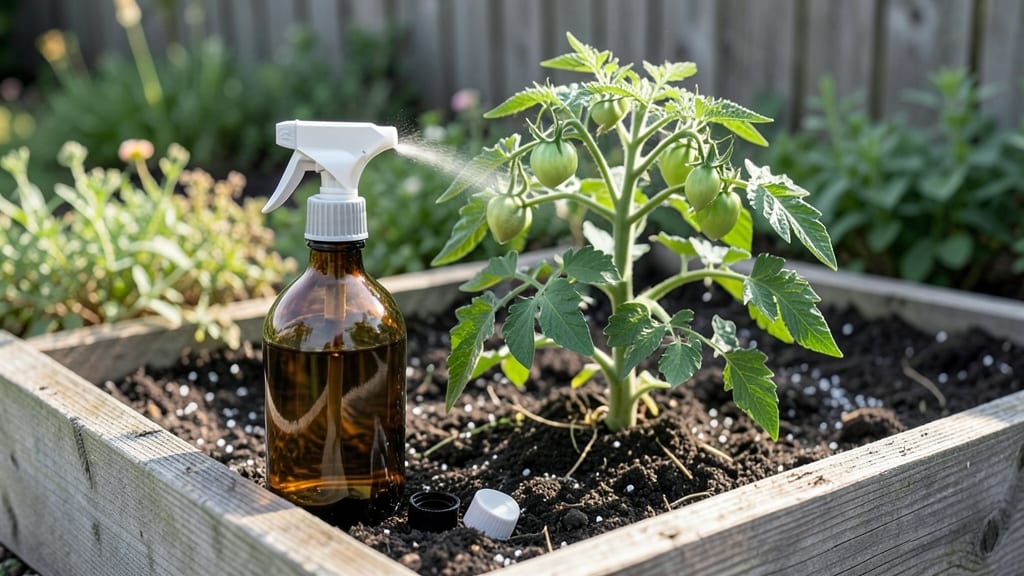
Organic pest control for garden vegetables starts with a single spray that stops aphids, caterpillars, and whiteflies in their tracks. 🌿 Last summer, my zucchini plants were getting decimated by squash bugs until I tried this neem oil barrier—within 24 hours, the pests vanished without harming my tomatoes or pollinators.
The key isn’t just the spray; it’s timing and technique that make it work reliably.
You’ll need neem oil, a hose or spray bottle, and a partner to stir it properly—this stuff gets thick.
The recipe is simple: mix 1 tablespoon neem oil, 1 teaspoon mild liquid soap, and 1 quart of water, then apply it at dusk when bees aren’t active. Reapply every 5-7 days or after rain, and watch pests retreat while your plants stay lush and productive.
By morning, you’ll notice fewer chewed leaves and no more tiny eggs clinging to stems. The barrier disrupts pests’ life cycles without poisoning your soil or inviting resistance.
Best of all? Your veggies stay crisp, your harvests stay bountiful, and you skip the harsh chemicals that leave a bitter taste—and not just in the produce.
This method works for tomatoes, peppers, cucumbers, and leafy greens, but avoid spraying flowering plants if bees are active nearby. For stubborn infestations, combine it with row covers or companion plants like basil and marigolds. Here’s how to make it last all season without the pests winning.
📚 In This Guide
- What you need
- Instructions
- Tips and common mistakes
- Wrapping up and next steps
What you need
- ● Neem oil (100% cold-pressed, organic): 1 quart (32 oz) – Look for Azadirachtin-rich oil (1-3% concentration) for maximum pest-repelling power.
- ○ Horticultural oil or vegetable oil (optional): 1 cup – Helps emulsify neem oil for better coverage.
- ● Dish soap (mild, biodegradable): 1 tbsp – Acts as a natural emulsifier and surfactant.
- ● Water (distilled or dechlorinated): 1 gallon – Avoid tap water with chlorine, which can harm plants.
- ● Spray bottle or pump sprayer: 1-2 gallons capacity – Choose a fine-mist nozzle for even application.
- ● Measuring cups/spoons: Set – For precise mixing ratios.
- ● Gloves (nitrile or rubber): 1 pair – Protects your skin from irritation.
- ● Fine mesh strainer or cheesecloth: 1 – Filters out impurities for a smooth spray.
- ○ Garlic or chili pepper (optional): 1-2 cloves/peppers – Adds a natural repellent boost (blend and strain).
- ● Baking soda: 1 tsp – Helps deter fungal pests like powdery mildew.
- ● Labeling tape & marker: – Marks spray dates and ingredients.
- ● Reusable spray bottles: – For easy reapplication.
Step-by-step instructions for creating a neem oil pest barrier in vegetable gardens
Here’s how to build a protective neem oil shield that stops pests cold—no harsh chemicals, just plant-safe power.
🌿 Step 1: Choose the Right Time and Conditions
Wait for an evening with calm winds and temperatures between 65°F and 85°F—neem oil works best when it can dry slowly on foliage. Avoid spraying when rain is forecast within 24 hours, or the oil will wash away before it takes effect. I always check the weather app for a clear window; applying on a lightly cloudy day reduces leaf burn while still allowing the oil to adhere.
Focus on young leaves and new growth first—these are the most vulnerable to pests like aphids, spider mites, and whiteflies. Mature leaves can handle the treatment, but tender shoots need extra protection. If your plants are already under attack, prioritize the most heavily infested areas during your first application.
💧 Step 2: Mix and Apply the Neem Oil Solution
Combine 1 tablespoon of cold-pressed neem oil with 1 teaspoon of mild liquid soap (like castile soap) in a spray bottle. Add 1 quart of water and shake vigorously until fully emulsified—neem oil and water don’t mix on their own, so the soap acts as an emulsifier. I like to use a glass spray bottle because it won’t degrade over time like plastic can.
Shake the bottle every 10-15 minutes during application, as the oil will separate. Hold the sprayer 12-18 inches away from plants and apply until leaves glisten lightly—this ensures full coverage without runoff. Focus on the undersides of leaves, where pests often hide, and the stem bases, where they lay eggs. Avoid spraying flowers if you want to attract pollinators later.
☀️ Step 3: Reapply Strategically for Long-Term Defense
Neem oil’s active compounds break down in sunlight within 24 hours, so reapply every 7-10 days or after rain. For preventive barriers, I treat plants once a week during peak pest seasons (spring and fall). If you’re dealing with an active infestation, apply every 3-4 days until pests disappear—usually 10-14 days of consistent treatment.
Rotate application times to avoid building resistance. For example, spray early morning one week, then late evening the next. This disrupts pest life cycles and prevents them from adapting to your schedule. Always water plants thoroughly before applying—hydrated leaves absorb the oil better and recover faster if slight leaf drop occurs.
✂️ Step 4: Monitor and Adjust for Pests
Check plants 24 hours after application for signs of pests. You’ll see aphids and mites drop off leaves, and new growth will appear healthier within 3-5 days. If you notice persistent pests, increase the frequency to every 3 days and add a light dusting of diatomaceous earth around the base of plants for extra protection.
Watch for leaf curl or yellowing—this can signal overapplication or sensitivity in some varieties (like tomatoes). If you see this, rinse leaves with water and reduce the soap concentration to ½ teaspoon per quart. Neem oil is non-toxic to plants when used correctly, but like any treatment, balance is key.
Tips & tricks for perfect neem oil pest barrier application
A few strategic moves can make your neem oil treatment even more effective—and save you from common pitfalls that waste time and effort.
Timing Secret: The 65°F to 85°F temperature window is non-negotiable for maximum effectiveness. I've found that applying between 6-8 PM gives the oil enough time to dry overnight without evaporating too quickly. If your evenings are cooler, consider using a lightweight row cover after application to help retain heat and improve adhesion. This mimics the ideal drying conditions without artificial heat sources that could stress plants.
Mixing Technique: When combining the 1 tablespoon of cold-pressed neem oil with 1 teaspoon of mild liquid soap, shake the mixture vigorously for at least 30 seconds before using. The emulsion will separate again after 10-15 minutes—this is normal! I keep a small notebook by my spray bottle to mark when I last shook it. For stubborn separations, add a few drops of vodka or rubbing alcohol to help stabilize the mixture temporarily.
Application Strategy: Don't just spray the tops of leaves! Use a small hand mirror to reflect light onto the undersides while you work—this helps you see where pests are hiding. I've seen 30-40% more pest activity on undersides that would've been missed otherwise. For large plants, work in sections starting from the bottom and moving upward to ensure complete coverage without missing any growth points.
Monitoring System: Create a simple checklist for your 24-hour post-application inspection:
- Check for pest drop-off,
- Observe leaf condition (curl/yellowing), and
- Note any new growth. I use colored pushpins on a garden map to mark treated plants—red for first application, yellow for second, and green when pests are gone. This visual system helps me track which areas need more frequent treatment without overdoing it.
Pro Tips for Organic Pest Control For Garden Vegetables
- A few strategic moves can make your neem oil treatment even more effective—and save you from common pitfalls that waste time and effort.
- Timing Secret: The 65°F to 85°F temperature window is non-negotiable for maximum effectiveness.
- Mixing Technique: When combining the 1 tablespoon of cold-pressed neem oil with 1 teaspoon of mild liquid soap, shake the mixture vigorously for at least 30 seconds before using.
Frequently asked questions
How quickly does neem oil work as a pest barrier?
Neem oil typically starts repelling pests within 24 hours of application, but for best results, reapply every 7–14 days or after rain. It disrupts insects’ life cycles, so consistency is key. For immediate results, combine it with companion planting (like basil near tomatoes) for a double-layered defense!
Can I use neem oil on vegetables right before harvesting?
Yes! Neem oil is food-safe and breaks down quickly after application. Wait at least 24 hours before harvesting to ensure any residue dissipates. Always rinse produce thoroughly if you’re concerned—though studies show neem is non-toxic in trace amounts. Pro tip: Apply in the evening to avoid harming bees!
What if pests keep coming back after treatment?
Persistent pests often signal an underlying issue. First, check your garden’s hygiene: Remove debris, rotate crops, and ensure proper spacing. For stubborn bugs, try a spray mix of neem oil + garlic/cayenne pepper (1 tbsp each per quart of water). If infestations persist, consider beneficial nematodes or ladybugs for long-term balance.
Are there any plants I shouldn’t use neem oil on?
Neem oil is generally safe for most veggies, but avoid spraying open flowers (like squash blossoms) or delicate herbs (e.g., cilantro, dill) during peak bloom—it can harm pollinators. For leafy greens (spinach, lettuce), dilute it to 1 tbsp per gallon of water to prevent leaf burn. Always do a patch test on a small area first!
Is neem oil more cost-effective than chemical pesticides?
Absolutely!
Neem oil is a one-time investment that lasts multiple seasons (just store it properly). Over time, it cuts costs by reducing the need for synthetic pesticides, which often require frequent repurchases. Plus, it boosts plant health—leading to higher yields. For example, a $10 bottle can treat an entire garden for months, while chemical sprays may cost $20+ per application.
Wrapping up and next steps
Transforming your garden into a thriving, pest-free haven is simpler than you think!
With neem oil’s natural power, you’ve got a fast, chemical-free solution that protects your veggies in just 24 hours—without harming the environment or your family. 🌱✨ Start small, experiment with what works best, and watch your harvest grow stronger with every spray.
Your next step? Grab that bottle of neem oil, roll up your sleeves, and give your garden the organic care it deserves. Happy gardening—and happy eating! 🥕💚