
Vegetables
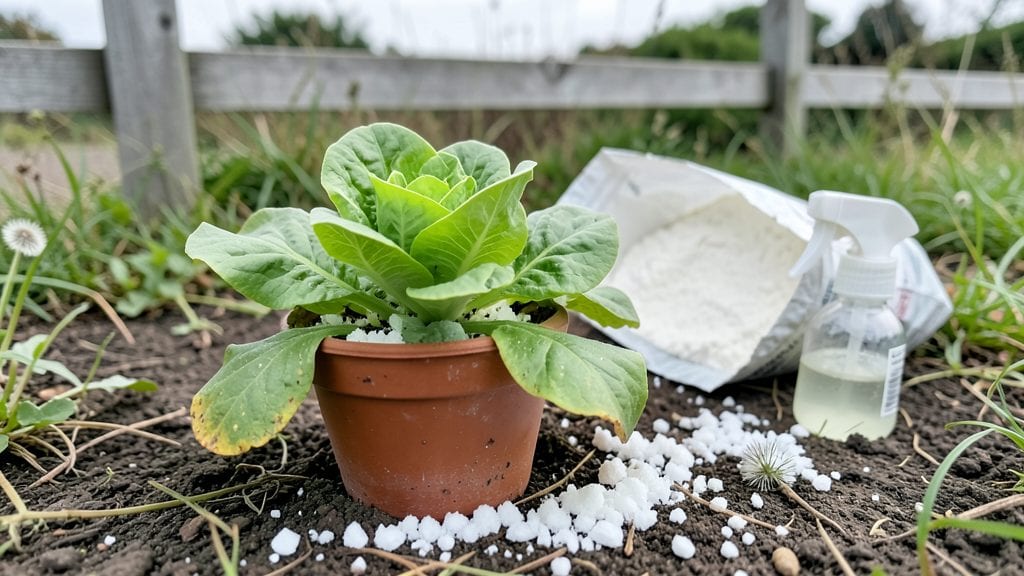
Using baking soda in vegetable gardens balances soil pH, repels pests like slugs and snails, and reduces fungal diseases by creating a naturally alkaline environment. Stick to 1 teaspoon per gallon of water to avoid disrupting soil chemistry.
Baking soda’s secret weapon is its ability to raise soil pH slightly, which pests like slugs and snails find unappealing. 🌱 For fungal issues, it disrupts the growth conditions of pathogens such as powdery mildew without harsh chemicals.
However, it’s not a long-term fix—results are temporary, and overuse can leave harmful sodium residues. I’ve found it works best as a spot treatment or preventive measure during damp seasons when fungal spores thrive.
When applying, always dilute it properly to avoid burning plant roots or altering soil structure. For example, a 1 teaspoon per gallon spray is ideal for foliar treatments, while mixing it into the soil requires even more caution.
Acid-loving plants like tomatoes or blueberries may struggle with the pH shift, so test your soil first if you’re growing sensitive crops.
💡 In This Article
- How Baking Soda Alters Soil Chemistry and Fights Pests
- Safe Application Methods for Vegetable Gardens
How baking soda alters soil chemistry and fights pests
When you sprinkle baking soda (sodium bicarbonate) into your garden soil, it triggers a chemical reaction that temporarily raises the pH level.
Most garden soils naturally sit between 6.0 and 7.0 (slightly acidic to neutral), but baking soda shifts this toward 7.5-8.0—a range that disrupts the life cycles of many pests. Slugs and snails, for example, prefer slightly acidic conditions (pH 6.5) and avoid alkaline environments.
The sodium ions also create an osmotic imbalance in their cells, dehydrating them over time. 🔥
The real magic happens with fungal pathogens like powdery mildew. Fungi thrive in acidic, moist conditions where pH often drops below 6.0. Baking soda’s alkaline nature disrupts the fungal cell membranes by altering the pH of the leaf surface, making it harder for spores to germinate.
Think of it like adding baking soda to a cake batter—it changes the chemical environment enough to prevent yeast (fungi) from working properly. However, this effect lasts only 1-2 weeks unless reapplied, as rain or organic matter can neutralize the pH shift.
Here’s where the science gets tricky: baking soda’s sodium content isn’t inert. While it’s effective at 1 teaspoon per gallon for foliar sprays, mixing it directly into soil risks long-term sodium buildup. Over time, this can harden soil structure, reducing water penetration and root growth.
Compare this to lime (calcium carbonate), which raises pH more permanently but lacks the immediate pest-repelling properties of baking soda. Vinegar, on the other hand, does the opposite—lowering pH—but it’s far too harsh for garden soil and can burn plant tissues. 💫
For pest-specific results, the key is timing. Apply baking soda sprays in the early morning when humidity is high, as this maximizes its ability to cling to leaf surfaces and deter aphids or mites.
The granular form works best for slug barriers: sprinkle a ½-inch layer around vulnerable plants like lettuce or basil. Just avoid using it near acid-loving crops like blueberries or potatoes, where the pH shift could stunt growth.
A quick soil test (using a $10 home kit) can tell you if your garden’s pH is already leaning alkaline—if it’s above 7.5, baking soda could do more harm than good.
The limitations are real, though. Baking soda won’t kill established fungal infections—it’s a preventive measure. For existing powdery mildew, you’d need to combine it with neem oil or potassium bicarbonate for better results.
And while it’s organic, it’s not OMRI-listed for organic certification, so check your farm’s rules if you’re growing for market. The takeaway? Use baking soda as a short-term tactical tool, not a seasonal cure-all. 🌱
Pro tip: Mix your baking soda solution with a drop of dish soap (like Castile soap) to help it stick to leaves. The soap acts as a surfactant, breaking surface tension so the spray coats foliage evenly.
Just avoid using it on edible leaves right before harvest—wait 24 hours to be safe. This small addition can double the effectiveness of your treatment without adding harsh chemicals.