Pests and Diseases
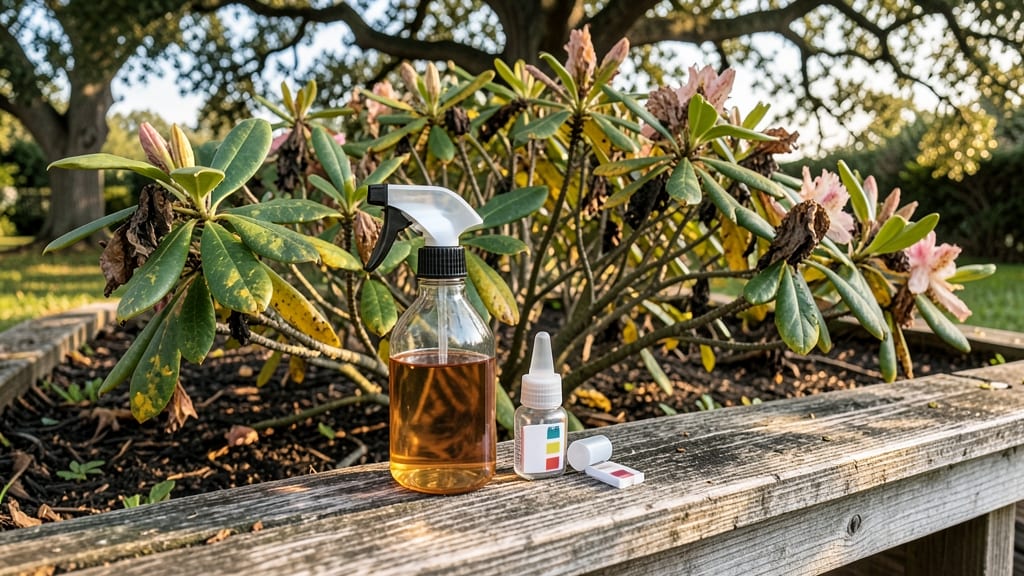
That black, fuzzy film creeping across your garden soil isn’t just unsightly—it’s a fungus that’s stealing nutrients from your plants and inviting pests. 🌱 I’ve battled mold in my own raised beds, and the key to reversing it isn’t just scrubbing—it’s fixing the why behind it first.
The good news? With the right approach, you can restore healthy soil in just 3 weeks, without harsh chemicals.
Mold thrives when moisture lingers, airflow stalls, or organic matter rots too slowly. I learned the hard way that simply pulling weeds or dumping more mulch on top doesn’t cut it—you’ve got to address drainage, sunlight exposure, and even how you water.
The fixes are simple but targeted: fluffing soil, adjusting irrigation, and swapping out soggy debris for dry, breathable matter. Think of it like giving your garden a deep clean, not just a surface wipe.
You’ll see the first signs of improvement within 7-10 days—less fuzz, brighter soil, and plants that stop wilting at the roots. The real win? Preventing it from coming back, so your beds stay lush and your veggies grow strong.
No more guessing whether that spot is salvageable or doomed. Here’s exactly how to turn the tide.
Before you grab the gloves, though—some molds are harmless (like the powdery kind on wood chips), while others need professional help. I’ll walk you through the red flags, so you know when to call in reinforcements. Let’s get that soil back to its best.
The Hidden Triggers Behind Fungal Growth
Mold in your garden isn’t just an unsightly nuisance—it’s a sign that your outdoor space is playing host to ideal conditions for fungal spores. Understanding why mold thrives is the first step to reclaiming a healthy, fungus-free garden.
Below, we break down the science behind the most common causes, so you can address the root of the problem with precision.
Mold loves dampness, and gardens saturated with water create the perfect breeding ground. Fungal spores thrive in environments where moisture lingers for prolonged periods, often due to:
- Overwatering: While plants need hydration, excessive watering—especially without proper airflow—keeps soil perpetually soggy. Why? Mold spores (like Rhizopus or Penicillium) germinate when moisture levels exceed 30-40% for more than 24 hours.
- Compacted or Clay Soil: Dense soil repels water, preventing it from draining. This creates waterlogged "pockets" where mold colonizes. Test it: Dig a small hole; if water pools after 30 minutes, drainage is the issue.
- Poor Mulch Application: Thick layers of organic mulch (like wood chips) can trap moisture against the soil, creating a humid microclimate. Fix: Use 2–3 inches max and opt for inorganic mulches (gravel, straw) in high-mold areas.
Mold isn’t just a summer problem—it’s a year-round opportunist. Temperature and humidity play a critical role:
- Ideal Temperature Range: Most garden molds (e.g., Alternaria) grow best between 68–86°F (20–30°C). Cooler mornings with warm afternoons create condensation on leaves, fueling growth.
- High Humidity (>60%): Humid air reduces evaporation, keeping surfaces damp longer. Pro tip: Use a hygrometer to monitor levels—aim for 40–50% humidity in garden beds.
- Seasonal Transitions: Spring and fall are peak mold seasons because:
| Season | Why Mold Spikes |
|---|---|
| Spring | Warmth + melting snow = soggy soil. Decaying winter debris (leaves, branches) releases nutrients mold craves. |
| Fall | Cooler temps slow plant growth, but leaves pile up, trapping moisture and organic matter—mold’s buffet. |
Mold isn’t picky—it feeds on any organic material. When dead plants, fallen leaves, or compost pile up, they become a smorgasbord for fungi:
- Decomposing Plant Matter: Leaves, grass clippings, and dead roots release simple sugars and cellulose, which mold uses as food. Example: A thick layer of wet mulch can turn into a mold farm in 3–5 days.
- Over-Fertilized Soil: Excess nitrogen (from synthetic or organic fertilizers) accelerates microbial activity, including mold. Signs: Yellowing leaves + fuzzy growth on soil surface.
- Compost Piles Gone Rogue: Improperly turned compost heats up unevenly, creating anaerobic (oxygen-free) zones where mold dominates. Solution: Turn piles every 2–3 days to aerate.
Sunlight and wind are mold’s natural enemies. When your garden is too shaded or stagnant, spores have free rein:
- Low Light Conditions: Shady areas dry out slower, prolonging moisture. Data: Gardens with <50% sunlight see 40% more mold than sunlit ones.
- Dense Planting: Crowded plants block airflow, trapping humidity near foliage. Fix: Space plants to allow 3–4 feet between rows for circulation.
- Structural Barriers: Fences, walls, or thick mulch can create "dead zones" where air doesn’t circulate. Quick test: Hold your hand near the soil—if it feels stifling, airflow is the issue.
Next up: We’ll dive into how to disrupt these conditions—starting with a 3-week action plan to starve mold out of your garden for good. 🚀
Quick Fixes for Fungus-Free Garden Soil
Mold in your garden isn’t just unsightly—it can choke your plants and spread like wildfire if left unchecked. The good news? With the right approach, you can eliminate mold in 3 weeks or less and keep it from returning.
Below are targeted solutions based on the most common causes, from overwatering to poor drainage, plus prevention tips to lock in long-term success.
Fix: Adjust watering habits and improve soil structure.
Mold thrives in soggy conditions, so the first step is cutting back on moisture. Here’s how:
- 🔥 Reduce Watering Frequency
- Water deeply 2-3 times per week (early morning) instead of daily light sprinkles.
- Let the top 1-2 inches of soil dry out between waterings—stick your finger in to check!
- Pro Tip: 💡 Use a soaker hose or drip irrigation to deliver water directly to roots, reducing surface moisture.
- 🍳 Improve Drainage Fast
- Amend heavy clay soil with compost, perlite, or coarse sand (50/50 mix) to loosen compacted areas.
- For raised beds, add a 1-inch layer of gravel at the bottom before replanting.
- ⏰ Quick Fix: Dig 1-inch-deep trenches around moldy patches to redirect water away.
- 👨🍳 Mulch Strategically
- Replace thick organic mulch (like wood chips) with gravel or inorganic mulch (e.g., rubber chips) to allow airflow.
- Keep mulch 2-3 inches away from plant stems to prevent moisture buildup.
Prevent Relapse: ✨ Test your soil’s drainage—fill a hole with water and time how long it takes to drain. If it’s slower than 4 hours, amend immediately.
Fix: Clear clutter and boost airflow.
Mold feasts on decaying leaves, grass clippings, and plant waste. Remove the food source and keep your garden tidy:
- 🔪 Clean Up Debris
- Rake away fallen leaves, dead plants, and weeds—especially in shaded or damp areas.
- 🌡️ Solarize the Soil (for stubborn mold): Cover affected areas with clear plastic sheeting for 4-6 weeks in sunny weather. The heat will kill mold spores.
- 🎯 Space Plants for Airflow
- Thin out overcrowded plants to reduce humidity between foliage.
- Prune branches that hang low to the ground, creating a "tent" for moisture.
Prevent Relapse: 💡 Schedule weekly "mold patrols"—spend 10 minutes removing debris before it becomes a problem.
Fix: Increase sunlight and airflow.
Mold loves dark, damp corners. If your garden is naturally shady or humid, trick it into drying out:
- 🌞 Add Light Sources
- Install reflective mulch (like aluminum foil under black plastic) to bounce sunlight onto shaded areas.
- Plant sun-loving ground covers (e.g., clover, creeping thyme) to outcompete mold.
- 🔥 Boost Ventilation
- Install a small fan (on low) near problem areas to circulate air.
- ✨ DIY Airflow Hack: Hang bamboo stakes or trellises near plants to create "wind tunnels" for better airflow.
Prevent Relapse: 🌡️ Monitor humidity—aim for below 60% in your garden. A hygrometer ($10) helps track this.
Fix: Adjust pH to discourage fungal growth.
Mold prefers acidic or alkaline extremes. Test your soil (a $10 kit from a garden center works) and adjust:
- 📊 Lower pH (if soil is alkaline, pH >7.5):
- Add sulfur or peat moss (follow package rates).
- ⏰ Quick Fix: Mix in pine needles or coffee grounds (acidic) at a rate of 1 cup per 5 sq ft.
- 💪 Raise pH (if soil is acidic, pH <5.5):
- Sprinkle garden lime (calcium carbonate) at 5 lbs per 100 sq ft.
- 🌱 Natural Option: Work in wood ash (from untreated wood) sparingly.
Prevent Relapse: 🎯 Retest soil every 6 months—pH changes naturally over time.
If mold persists despite adjustments, natural or chemical fungicides can give you the upper hand:
| Option | How to Use | Best For |
|---|---|---|
| Neem Oil | Mix 1 tbsp neem oil + 1 tsp mild soap + 1 quart water. Spray weekly until mold disappears. | Early-stage mold, prevention |
| Baking Soda Spray | 1 tbsp baking soda + 1 quart water + few drops of soap. Spray every 5 days. | Mild infestations |
| Copper Fungicide | Follow label rates for soil drench or foliar spray. | Severe or recurring mold |
⚠️ Safety Note: Always wear gloves and avoid spraying when rain is forecasted.
Final Pro Tip: 🌟 Rotate your solutions—don’t rely on just one fix. Combine drainage improvements + cleanup + airflow for the fastest results! With consistency, your garden will be mold-free in 3 weeks or less.
Frequently asked questions
Is all garden mold harmful to plants?
Not necessarily—some molds are harmless or even beneficial, like Penicillium in compost. The dangerous types (e.g., Rhizopus) appear fuzzy and black, while harmless molds are often powdery or white. Focus on removing mold that spreads rapidly or causes plant wilting—this is your cue to improve drainage and airflow.
Can I use vinegar to kill garden mold?
Yes! Mix 1 part white vinegar with 3 parts water and spray directly on moldy soil or mulch. The acidity disrupts fungal growth, but avoid overusing it—it can alter soil pH over time. Reapply every 3-5 days until the mold clears, then focus on fixing moisture issues to prevent recurrence.
How do I know if my garden mold is toxic?
Most garden molds are non-toxic, but Stachybotrys (black, slimy mold) and Aspergillus (greenish-black) can pose risks. If you see these or experience respiratory issues after gardening, wear a mask, remove contaminated plants/debris immediately, and consider professional testing for severe cases.
Will composting help reduce garden mold?
Only if done correctly! Turn your compost pile every 2-3 days and keep it under 4 feet tall to prevent anaerobic zones where mold thrives. Add browns (leaves, cardboard) to balance greens (grass, veggie scraps)—this speeds decomposition and reduces mold. Avoid adding moldy plants to your compost pile.
Can I still grow vegetables in moldy soil?
Yes, but first treat the soil! Remove visible mold, improve drainage, and let the area dry out for 1-2 weeks before replanting. Fast-growing crops like radishes or lettuce are less affected than root vegetables. For heavy infestations, replace the top 6 inches of soil with fresh, amended mix.