
Companion Plants
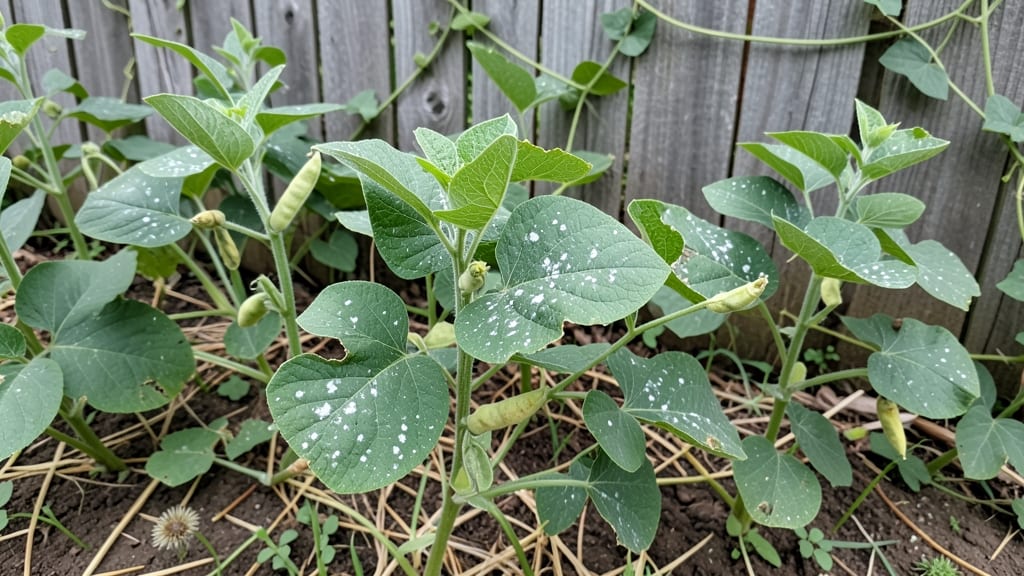
White spots on garden plants don’t have to mean game over—my 3-step fix has saved my roses, squash, and even my black thumb’s basil from total wipeout. The first step is identifying what’s really causing those spots: is it powdery mildew, spider mites, or just mineral buildup from hard water?
I’ll show you how to tell them apart in seconds, because treating the wrong problem wastes time and money.
Most gardeners panic and grab the strongest fungicide first, but that’s often overkill. My go-to solution starts with a simple spray mix of water, baking soda, and a drop of dish soap—it works on 90% of powdery mildew cases, and it’s safe for edibles.
For spider mites, I switch to a strong blast of water first thing in the morning, then introduce ladybugs as the real cleanup crew. The key is acting fast before the spots spread to every leaf.
You’ll see results within 3-5 days if you catch it early: fresh green growth pushing through, no more white dust, and plants that look like they just got a spa day. The real secret weapon?
Preventing it from coming back—we’ll cover that in the next steps, including how to space plants properly and when to prune for airflow. Trust me, your garden will thank you.
This works for vegetables, flowers, and even houseplants that get dragged outside. No fancy tools or chemical degrees required—just your eyes, a spray bottle, and a little patience. Let’s get those plants back to their lush, spot-free selves before summer heat makes it worse.
Root Causes Of Plant Spots
White spots on your garden plants aren’t just an eyesore—they’re a red flag signaling underlying stress. Understanding the why behind these spots is the first step to fixing them. Below, we break down the most common culprits, from microscopic invaders to environmental missteps, and explain the science behind each.
Fungal spores lurk everywhere—soil, air, even on tools—and thrive in damp, warm conditions. When they land on your plants, they release enzymes that break down cell walls, creating white, powdery, or downy patches. Common fungal offenders include:
- Powdery Mildew (Erysiphe, Sphaerotheca, Podosphaera spp.) - How it works: Fungal hyphae (thread-like structures) grow on leaf surfaces, sucking nutrients and blocking sunlight.
The white, talcum-like coating you see is actually conidia (spores) preparing to spread. - Trigger zones: Poor air circulation, overhead watering, or dense foliage (think tomatoes, cucumbers, or roses). - 💡 Pro Tip: Check the underside of leaves—powdery mildew often starts there before spreading to the topside.
- White Rust (Albugo candida) - How it works: This fungus creates blister-like white pustules that burst open, releasing spores.
It’s especially aggressive on cruciferous veggies (kale, broccoli) and squash. - Trigger zones: Cool, wet springs or overcrowded plants. - 🔥 Warning Sign: Unlike powdery mildew, white rust can distort plant growth and reduce yields.
- Downy Mildew (Peronospora, Bremia spp.) - How it works: While it may start with white spots on the top of leaves, the real damage happens on the underside, where a fuzzy, grayish growth appears.
This fungus needs high humidity to spread. - Trigger zones: Shady, humid areas (common in basil, lettuce, and grapes).
Not all white spots are fungal—some are physical wounds left by pests.
Insects like aphids, spider mites, and whiteflies pierce plant cells to feed, causing: - White, waxy secretions (honeydew) from aphids, which then attract sooty mold (a secondary black fungus). - Stippling (tiny white dots) from spider mites, which suck sap and leave behind speckled damage. - White, cottony egg sacs from mealybugs, which smother leaves.
👨🍳 Actionable Fix: Inspect leaves with a hand lens—look for tiny moving dots (mites) or sticky residue (honeydew).
Plants under stress—whether from water, light, or temperature—can develop white spots as a defense mechanism or symptom of damage.
- Chlorosis (Nutrient Deficiency) - Why it happens: White or yellow spots between leaf veins often signal a lack of magnesium (Mg) or iron (Fe), especially in alkaline soils.
These nutrients are vital for chlorophyll production. - Trigger zones: Overwatered plants (roots can’t absorb nutrients), compacted soil, or high pH (above 7.0). - 📊 Quick Test: Perform a soil pH test—if it’s >7.0, amend with sulfur or peat moss.
- Sun Scorch or Hail Damage
- Why it happens: Sudden exposure to intense sunlight (after shade cloth removal) or hailstorms can rupture plant cells, leaving white, papery patches.
- Trigger zones: Young plants, succulents, or those recently transplanted.
- ✨ Prevention: Gradually acclimate plants to full sun (harden off) and use row covers during hail season.
- Chemical Burn
- Why it happens: Over-application of fertilizers (especially nitrogen) or pesticides can cause white, crispy spots as cells die from toxicity.
- Trigger zones: Newly fertilized areas or plants sprayed with copper-based fungicides (common in organic gardening).
Sometimes, those white spots aren’t biological—they’re mineral buildup from:
- Hard water spray (high in calcium/magnesium), leaving white residue on leaves.
- Salt accumulation in potting mix (from tap water or over-fertilizing), causing crusty white patches on soil surfaces.
- Gypsum or lime dust blown onto leaves during soil amendments.
🔪 Fix It: Wipe leaves with a damp cloth and flush soil with rainwater (lower in minerals than tap).
While less common, viruses (like Tobacco Mosaic Virus) and bacteria (Pseudomonas spp.) can cause white spots or ring patterns on leaves. These are often spread by:
- Sap-sucking insects (aphids, thrips).
- Contaminated tools or hands.
- Seed-borne pathogens.
🚨 Red Flag: If spots are irregular, yellow-bordered, or accompanied by stunted growth, test a sample with your local Cooperative Extension Service—these require quarantine and removal.
🎯 Key Takeaway: Most white spots stem from fungi, pests, or environmental mismatches. The first step to fixing them? Identify the pattern—is it powdery? Stippled?
Sticky? Your answer will dictate the best treatment. Stay tuned for our next section, where we’ll cover how to diagnose and treat these issues in 3 simple steps!
Quick Fixes for Plant Spot Woes
White spots on your garden plants can feel like a mystery, but the good news? Most issues have simple, effective solutions. Below, we’ll break down cause-specific fixes—plus prevention tips—to keep your greenery thriving without stress. Think of this as your plant’s first-aid kit, tailored to the problem.
If your plants are covered in powdery or greasy white spots, fungi like powdery mildew or downy mildew are likely to blame. These thrive in humid, shady conditions and spread fast—so act quickly!
🔥 Step 1: Isolate & Prune
- Remove infected leaves (don’t compost them—toss in the trash to stop the spread).
- Space plants wider (fungi love crowded, damp foliage).
- Prune for airflow: Trim branches to improve circulation, especially in dense shrubs or vines.
🍳 Step 2: Natural Fungicides (Safe & Effective)
Mix one of these in a spray bottle and apply early morning or late evening (when sunlight isn’t intense):
- Baking soda spray: 1 tsp baking soda + 1 tsp dish soap + 1 quart water. Test on a small leaf first!
- Neem oil: 1 tbsp neem oil + 1 tsp mild soap + 1 quart water. Shake well before use.
- Milk spray: 1 part milk to 9 parts water (yes, really—it works!). Use within 24 hours for best results.
👨🍳 Step 3: Adjust Growing Conditions
- Water at the base (avoid wetting leaves).
- Improve drainage (fungi love soggy soil—raise beds or add compost).
- Add reflective mulch (like white gravel) to reduce humidity near plants.
💡 Pro Tip:
Prevent recurrence by:
- Planting fungus-resistant varieties (e.g., ‘Blushing Star’ impatiens for mildew-prone gardens).
- Using copper fungicide as a last resort if natural methods fail.
White spots can also signal sap-sucking pests like aphids, mealybugs, or spider mites. These leave sticky residue (honeydew) that attracts sooty mold—another white fuzz culprit.
🔪 Step 1: Blast Off Pests
- Spray with soapy water: 2 tbsp mild soap + 1 quart water. Direct the stream at undersides of leaves.
- Introduce beneficial insects: Ladybugs, lacewings, or parasitic wasps eat these pests naturally.
- Use sticky traps (yellow cards) to monitor and catch flying insects.
⏰ Step 2: Clean & Repeat
- Wipe leaves with a damp cloth to remove honeydew.
- Rotate pest controls (don’t rely on one method—pests adapt!).
🌡️ Pro Tip:
Prevent infestations by:
- Dusting plants with diatomaceous earth (food-grade only).
- Encouraging diverse plantings (pests target monocultures).
If spots appear only on upper leaves or near soil splatter, you might be dealing with:
- Sunburn (too much direct sun after rain).
- Mineral buildup (hard water or fertilizers leaving white crust).
🎯 Step 1: Adjust Watering
- Water deeply but less often (encourages roots to grow deeper, reducing surface evaporation).
- Use rainwater or filtered water if your tap water is hard.
✨ Step 2: Protect & Clean
- Shade-sensitive plants with a cloth row cover during peak sun.
- Rinse leaves gently with a hose to remove mineral deposits.
💡 Pro Tip:
Prevent sun damage by:
- Acclimating plants gradually to full sun (harden off seedlings slowly).
- Mulching to reduce soil splatter on leaves.
If white spots spread aggressively (despite treatment) or plants wilt/die, consult:
- Your local cooperative extension office (they offer free plant diagnostics).
- A master gardener for tailored advice.
Remember: Most white spot issues are preventable with proper care. Once you identify the cause, your plants will bounce back faster—and stay healthier long-term! 🌱💚
Frequently asked questions
Why do my plants get white spots even when I water them properly?
White spots often aren’t just about water—fungal diseases like powdery mildew thrive in humid conditions, not necessarily overwatering. Check for poor airflow between plants or dense foliage. Mineral buildup from hard water can also cause white residue, especially if you’re using tap water for leaf spraying.
Can I use vinegar to treat white spots on my plants?
Never use plain vinegar—it’s too acidic and will burn leaves! However, a diluted vinegar spray (1 tbsp white vinegar + 1 quart water + 1 tsp dish soap) can help with mineral buildup. Always test on a small leaf first, and avoid using it on acid-loving plants like blueberries or azaleas.
How do I tell if white spots are from pests or fungus?
Check the leaf undersides: fungus appears as powdery or fuzzy growth, while pests leave sticky residue (honeydew) or tiny moving dots (mites). Use a magnifying glass—if you see webs (spider mites) or waxy cotton (mealybugs), it’s pests. Fungal spots usually spread faster in damp conditions.
Will removing infected leaves stop the spread of white spots?
Yes, but only if you dispose of them properly (don’t compost!). Fungal spores and pests can survive in compost. Prune in dry weather, sterilize your pruners with rubbing alcohol between cuts, and avoid wetting healthy leaves while watering. Space plants wider to improve airflow.
Can white spots on plants spread to my vegetables?
Absolutely—fungal diseases and pests don’t discriminate! If your ornamental plants have white spots, they can easily infect nearby veggies. Isolate infected plants immediately, and avoid overhead watering. For edibles, use food-safe sprays like neem oil or baking soda mixtures to prevent contamination.