
Companion Plants
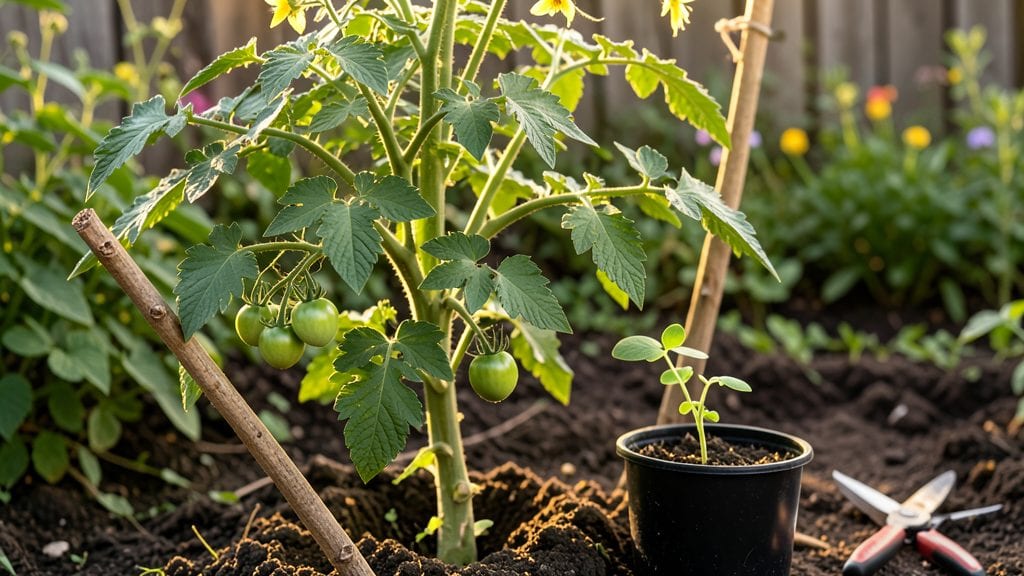
My garden sticks saved last year's tomato plants from collapsing under their own weight—something I'd never seen happen before. 🌱 The right support transforms floppy vines into sturdy, productive plants, and it's simpler than you'd think to set up.
I started with basic bamboo stakes and soft ties, and within weeks, my tomatoes were climbing instead of sprawling.
You don’t need fancy materials to make this work—bamboo stakes, metal rods, or even sturdy branches from your yard can do the job. For delicate plants like roses, I use flexible plastic stakes that bend with the growth, while tomatoes and cucumbers benefit from taller, rigid supports.
The key is securing the plant gently but firmly, so it grows toward the support without damage.
What you’ll end up with is a garden where plants stand tall, produce more, and look effortlessly structured. Tomatoes stay upright for easier picking, cucumbers climb instead of taking over the ground, and roses bloom in every direction.
The difference between supported and unsupported plants is night and day—literally, as the vines reach for the sky instead of flopping.
This works for nearly any plant that needs a little help standing up—herbs, flowers, and even some fruits. Whether you're dealing with a single tomato plant or a whole row of peas, the right support makes all the difference. Let’s get those plants growing straight and strong!
📚 In This Guide
- What you need
- Instructions
- Tips and common mistakes
- Wrapping up and next steps
What you need
- ● Garden sticks: Choose between bamboo stakes (6–12 ft, ½–1 inch diameter), wooden dowels (1–2 inches thick), or metal rebar (½ inch diameter, 3–6 ft). Quantity: 1–2 sticks per plant (or more for heavy vines).
- ● Sturdy twine or plant ties: Jute twine (¼ inch width) or soft plant clips (10–20 per stake, depending on plant height).
- ● Measuring tape or ruler: For precise spacing (aim for 12–18 inches apart for most plants).
- ○ Hammer or mallet: For driving stakes into the ground (optional for pre-drilled sticks).
- ● Gloves: To protect your hands from splinters or sharp edges.
- ● Stake caps or decorative toppers: For a polished look (e.g., painted wood or metal tips).
- ● Soil spikes: To anchor stakes in loose or rocky soil.
- ● Waterproof marker: To label stakes for plant identification.
- ● Pre-made trellis kits: If you prefer a DIY-friendly alternative.
Step-by-Step guide to installing garden sticks for plants
Here’s how to create sturdy, flexible supports that keep your plants upright without damaging growth.
🪴 Step 1: Choose the Right Sticks for Your Plants
Select bamboo stakes (for lightweight plants) or wooden dowels (for heavier varieties like tomatoes or cucumbers). Avoid brittle sticks—they’ll snap under weight. I prefer 3-foot lengths for most garden plants, but taller varieties like pole beans need 4-5 feet. Bundle them in a 5-pack for versatility and easy storage.
Test each stick before use by bending it slightly—if it cracks or snaps, replace it. For delicate stems like snapdragons, opt for flexible willow stakes that won’t pierce the plant as it grows. Store extras in a dry place to prevent warping or mold.
✂️ Step 2: Prepare the Sticks for Planting
Trim sticks to the correct height using a hacksaw or pruning shears—leave 6-12 inches above the plant’s expected mature height. For example, a 2-foot-tall tomato plant needs a 3-foot stake to provide support without crowding. Sand rough edges to prevent splinters that could harm stems.
If using wooden dowels, drill a small hole at the top (about ¼ inch deep) to thread twine or plant ties later. For bamboo stakes, split one side slightly with a utility knife to create a flat surface—this keeps the stake from rolling and makes tying easier. Avoid over-splitting, or the stake will weaken.
🌱 Step 3: Install Sticks at the Right Time
Insert stakes when transplanting seedlings or early in the growing season—never after the plant is already leaning. Push the stake 1-2 inches deep into the soil at a 45-degree angle toward the plant’s natural growth direction. This prevents the plant from growing around the stake instead of through it.
For heavy plants like tomatoes, use 2-3 stakes per plant arranged in a triangle for extra stability. Tap the stake firmly into the ground until it doesn’t wobble. If the soil is rocky or hard, loosen it with a trowel first to avoid breaking the stake.
💧 Step 4: Secure Plants to the Stakes
Use soft plant ties (not wire or zip ties—they’ll cut into stems as the plant thickens). Loop the tie around the main stem (never branches) and the stake, leaving room to grow. Start ties low on the stem and adjust as the plant climbs. I like to tie in a figure-eight pattern to distribute pressure evenly.
Check ties weekly—plants grow fast, and tight ties will strangle stems. If the plant outgrows the stake, add a second stake on the opposite side and weave twine between them for support. For vining plants like cucumbers, use trellis sticks arranged in a grid pattern to encourage upward growth.
☀️ Step 5: Maintain and Adjust as Plants Grow
Monitor stakes throughout the season—remove any that lean or break. If a stake shifts in the soil, reposition it immediately before the plant topples. For windy areas, bury stakes deeper (3-4 inches) or tie them to sturdy garden fencing for extra support.
At the end of the season, remove all stakes and ties to avoid introducing pests or diseases to next year’s soil. Clean wooden dowels with vinegar and water to prevent mold, and store them in a dry, shaded area until reuse. Bamboo stakes can often be composted after use.
Tips & tricks for perfect garden sticks for plants
Here's what I learned after supporting everything from delicate snapdragons to towering tomatoes—these tricks will keep your plants growing strong without the common pitfalls.
Material Matters: Bamboo stakes are my go-to for lightweight plants because they're flexible enough to bend with the wind without snapping. For heavy plants like tomatoes, wooden dowels provide the stability needed, but always test each stick by bending it slightly—if it cracks, replace it immediately. That small test can save you hours of frustration later when your stake breaks mid-season.
Precision Cutting: In Step 2, when you're trimming your sticks, remember to leave that extra 6-12 inches above the plant's expected mature height. I can't tell you how many times I've seen gardeners cut stakes too short, only to have their plants outgrow the support. For tomatoes, I always aim for 3 feet total—this gives enough room for the plant to grow upward while keeping the stake sturdy. Use a hacksaw for clean cuts, and sand those edges smooth to protect delicate stems.
Angle is Everything: The 45-degree angle mentioned in Step 3 isn't just arbitrary—it's what prevents plants from growing around the stake instead of through it. When you insert the stake at this angle, the plant naturally grows upward along the stake rather than circling it. For windy areas, bury the stake deeper (3-4 inches) and consider tying it to garden fencing for extra support. This simple adjustment makes all the difference in stormy weather.
Tie Technique: Soft plant ties are a game-changer compared to wire or zip ties. In Step 4, when you're securing your plants, use the figure-eight pattern I mentioned—it distributes pressure evenly and prevents the tie from cutting into the stem as the plant grows. Check those ties weekly, and adjust them as your plant climbs. Pro tip: If you notice the plant outgrowing its stake, add a second stake on the opposite side and weave twine between them for extra support.
Pro Tips for Garden Sticks For Plants
- Here's what I learned after supporting everything from delicate snapdragons to towering tomatoes—these tricks will keep your plants growing strong without the common pitfalls.
- Material Matters: Bamboo stakes are my go-to for lightweight plants because they're flexible enough to bend with the wind without snapping.
- Precision Cutting: In Step 2, when you're trimming your sticks, remember to leave that extra 6-12 inches above the plant's expected mature height.
Frequently asked questions
Got questions about using garden sticks for plants? You’re not alone! Here are answers to the most common queries to help you support your plants like a pro.
What’s the best material for garden sticks?
Opt for bamboo stakes (durable and lightweight) or wooden dowels (budget-friendly). Avoid treated wood—it can leach chemicals into the soil. For heavy plants like tomatoes, metal or plastic-coated sticks offer extra strength.
When should I install garden sticks?
Plant stakes at the same time you transplant seedlings or sow seeds (for climbing plants). If using them for support later, insert stakes gently to avoid root damage—aim for 1–2 weeks before harvest for best stability.
Can I reuse garden sticks from last year?
Yes! Clean and disinfect sticks with a 10% bleach solution (1 part bleach to 9 parts water) to kill pests/diseases. Store them in a dry place until next season. Bamboo lasts years, while wood may degrade faster.
What’s a good alternative if I don’t have sticks?
Try tomato cages, coconut coir ties, or even repurposed wire hangers for lightweight plants. For herbs/flowers, twine or soft plant ties work well—just avoid cutting into stems!
Why is my plant leaning even with a stake?
Check for loose ties (re-tie gently every few days) or root issues (like poor drainage). If the stake is too short, bury it deeper or add a secondary support. Overwatering can also weaken stems—let soil dry slightly between waterings.
Wrapping up and next steps
Garden sticks for plants are a game-changer for any gardener looking to support their harvest with ease and precision! 🌱 Whether you're nurturing delicate vines, training climbing plants, or simply keeping your garden tidy, these versatile tools make the job effortless.
With the right materials and a little know-how, you can create sturdy, custom supports that grow right alongside your plants.
Now that you’re equipped with the knowledge, it’s time to roll up your sleeves and get planting! Start small—try a few garden sticks with your next batch of tomatoes or cucumbers—and watch your garden thrive. Happy growing! 🌿✨