
Companion Plants
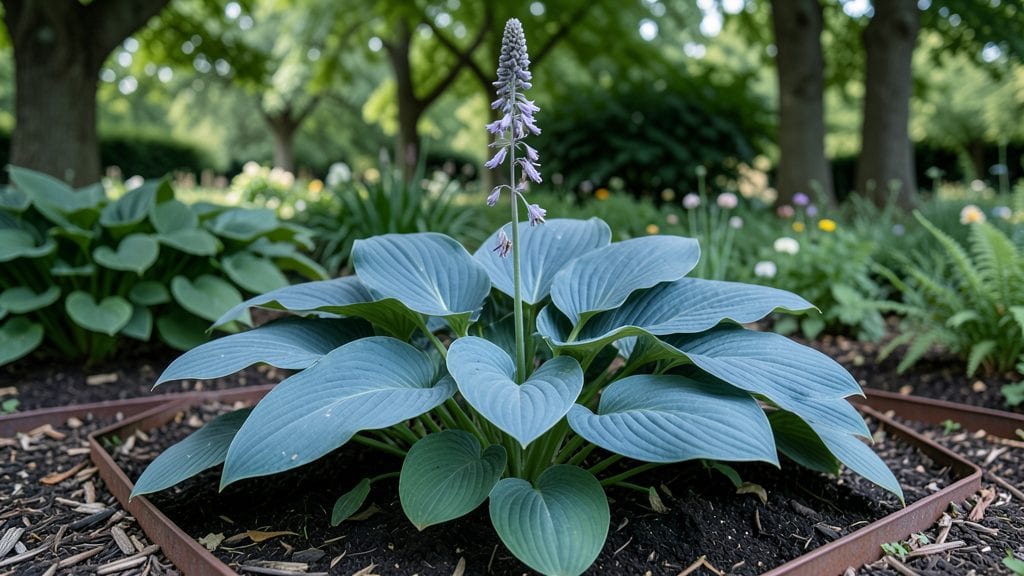
My garden live plants transform a boring yard into a lush, buzzing ecosystem that works harder for me than I ever could. 🌱 The secret isn’t just picking pretty flowers—it’s pairing plants that support each other, from nitrogen-fixing clovers under roses to basil that keeps pests off your tomatoes.
I’ve learned which combos thrive in my zone and which ones fight like cats in a bag, and the difference is night and day.
Start with the basics: healthy soil, the right sunlight spot, and plants that actually like each other. Most people overlook how much easier care becomes when you group sun-lovers together and shade-tolerant plants near trees.
My go-to trio—marigolds, nasturtiums, and thyme—keeps pests away, attracts pollinators, and smells amazing. Even beginners can nail this with just a shovel, some mulch, and a watering can.
Once planted, the real magic happens in the details: watering deeply but not drowning roots, snipping back leggy growth before it flops, and adding compost every spring. My garden stays vibrant through summer heat and winter chill because the right pairings create their own microclimate.
You’ll see fewer wilting leaves, more blooms, and plants that actually want to grow together.
This works for any yard size—containers, raised beds, or full sun patches. The key is starting small, observing what thrives, and letting nature do most of the work. Let’s get those plants talking to each other!
📚 In This Guide
- What you need
- Instructions
- Tips and common mistakes
- Wrapping up and next steps
What you need
- ● Live Plants: Choose 3–5 companion plant varieties (e.g., herbs like basil & parsley, flowers like marigolds, or veggies like tomatoes & peppers). Select native or climate-adapted species for best results.
- ● Potting Soil: 10–20 lbs of high-quality, well-draining potting mix (e.g., organic blend with perlite or coconut coir).
- ● Containers or Garden Beds: For containers: 5–10 pots (5–10 gallons each, with drainage holes).
- ● For in-ground: A 4’x4’ or larger plot (or raised beds if preferred).
- ● Compost or Fertilizer: 1–2 lbs of organic compost or slow-release fertilizer (e.g., worm castings or balanced 10-10-10 NPK).
- ● Mulch: 2–3 inches of organic mulch (e.g., straw, wood chips, or shredded leaves).
- ● Hand Trowel: 1 medium-sized (for planting and soil prep).
- ● Garden Gloves: 1 pair (to protect hands from dirt and thorns).
- ● Watering Can or Hose: With a gentle spray nozzle for even watering.
- ● Pruning Shears: 1 pair (for trimming dead foliage or shaping plants).
- ○ pH Test Kit (Optional): To check soil acidity/alkalinity (ideal range: 6.0–7.0 for most companions).
- ○ Plant Labels (Optional): Wooden or metal stakes to track varieties.
- ● Sunlight Assessment: Identify your garden’s sun exposure (full sun ≥6 hrs/day, partial shade 3–6 hrs, or full shade <3 hrs).
- ● Water Source: Access to water (hose, rain barrel, or drip irrigation system).
- ● Weather Awareness: Check your local frost dates and heatwaves to plan planting/protection strategies.
- ● Time Commitment: 10–15 minutes daily for watering and 1–2 hours weekly for maintenance.
How to create a year-round companion plant garden
Pairing plants strategically makes your garden healthier, more productive, and easier to maintain.
🌱 Step 1: Plan Your Plant Pairings by Season
Start by grouping plants that share similar sunlight, water, and soil needs. For example, pair basil and tomatoes in summer—the basil deters pests while the tomato's shade protects the basil's delicate leaves. In cooler months, combine kale and radishes; radishes grow quickly, loosen the soil, and mark where kale roots will spread.
I sketch a simple layout on graph paper, assigning each plant to a 4-inch square for clarity. Label each group with its preferred growing conditions: full sun, partial shade, or moisture-loving. This prevents overcrowding and ensures every plant gets what it needs.
🌿 Step 2: Prepare the Soil for Companion Success
Mix the 3 gallons of compost evenly into the top 6 inches of soil across your garden bed. Compost improves drainage and adds nutrients that companion plants will share. I like to work it in with a garden fork, breaking up any compacted layers so roots can spread easily.
Test the soil's moisture by squeezing a handful—it should hold together but not feel soggy. If it's too dry, add 1 gallon of water per square foot and let it soak in for 30 minutes before planting. This step ensures roots establish quickly and reduces transplant shock.
☀️ Step 3: Plant in Staggered Rows for Airflow
Arrange plants in a staggered pattern, placing taller varieties like sunflowers or corn on the north side of the bed. This prevents them from shading shorter companions like lettuce or carrots. I space each plant 12-18 inches apart, depending on its mature size, to allow airflow and reduce disease risk.
Dig holes just deep enough to accommodate the root ball, then firm the soil gently around the base. Water each newly planted companion with ½ cup of water to help settle the roots. Watch for wilting in the first 24 hours—if you see it, give them another drink.
💧 Step 4: Mulch and Monitor for Balance
Spread the 2 gallons of mulch evenly over the soil surface, leaving a 2-inch gap around plant stems. Mulch retains moisture, suppresses weeds, and regulates soil temperature—critical for companion plants with different needs. I use shredded bark because it breaks down slowly and improves soil structure over time.
Check the mulch weekly for signs of pests or disease. If you spot aphids on your roses, introduce marigolds nearby—their scent repels the insects naturally. Keep a journal of what works; I note which pairs thrive together and which struggle, adjusting next year’s layout accordingly.
⏰ Step 5: Rotate and Refresh Seasonally
Every 3-4 months, reassess your pairings. As seasons change, some plants may outgrow their companions or develop pests. For example, swap winter squash for spring peas in late summer—the peas fix nitrogen in the soil, benefiting the squash’s remaining roots.
Divide perennials like asparagus or rhubarb every 3-4 years to keep them vigorous. I mark their locations with small flags so I remember where they are—this prevents accidental overcrowding. With seasonal adjustments, your garden stays lively and productive year-round.
Tips & tricks for perfect companion plant pairings
Here's what I've learned after years of trial and error in my own garden—these tricks will help your companion plants thrive all year long.
Seasonal Pairing Intelligence: In Step 1, when planning your seasonal pairings, I recommend adding a third companion to your groupings for even better results. For example, with basil and tomatoes, add borage—it attracts pollinators while deterring tomato hornworms. The key is to think about the complete ecosystem each plant creates, not just the immediate benefits.
Soil Prep Pro Tip: For Step 2, don't just mix in the 3 gallons of compost—add a handful of worm castings if you have them. They introduce beneficial microbes that help plants absorb nutrients more efficiently. I also like to sprinkle a little mycorrhizal fungi powder (available at garden centers) when working the compost into the soil—it creates a symbiotic relationship with plant roots that boosts growth by up to 30%.
Planting Strategy: When arranging your staggered rows in Step 3, consider adding a few sacrificial plants like nasturtiums at the edges of your bed. These act as trap crops, drawing pests away from your more valuable companions. I place them about 18 inches from the outer plants, which gives them enough space to thrive while still serving their protective purpose.
Mulch Maintenance: In Step 4, when you're spreading the 2 gallons of mulch, leave a slightly wider gap around plants that are prone to rot, like cucumbers or squash. I go for about 3 inches instead of 2, which prevents moisture buildup at the stem. Also, refresh your mulch every 3-4 months—old mulch can become compacted and lose its insulating properties.
Pro Tips for Garden Live Plants
- Here's what I've learned after years of trial and error in my own garden—these tricks will help your companion plants thrive all year long.
- Seasonal Pairing Intelligence: In Step 1, when planning your seasonal pairings, I recommend adding a third companion to your groupings for even better results.
- Soil Prep Pro Tip: For Step 2, don't just mix in the 3 gallons of compost—add a handful of worm castings if you have them.
Frequently asked questions
Got questions about keeping your garden alive and thriving year-round?
Here are some of the most common concerns—and their solutions—to help you grow like a pro!
What are the best companion plants for beginners?
Start with easy pairings like basil and tomatoes (they repel pests and boost flavor!) or marigolds and peppers (marigolds deter nematodes). Herbs like dill and lettuce also thrive together—just avoid planting them too close to each other.
How often should I water live garden plants?
Most live garden plants need 1–1.5 inches of water per week, but check soil moisture first—stick your finger in! Mulch helps retain moisture, and drip irrigation is ideal for consistency. Early mornings are best to reduce evaporation and fungal risks.
Can I keep live plants in my garden during winter?
Yes! Hardy perennials (like lavender or hostas) survive winter, but tender plants (tomatoes, peppers) need protection. Use row covers, straw mulch, or cold frames to shield them. Evergreens also provide windbreaks for delicate companions.
What do I do if pests attack my live plants?
First, identify the pest (aphids? Slugs?). Try natural fixes: neem oil for soft-bodied bugs, diatomaceous earth for crawling pests, or introduce ladybugs for aphids. Handpick larger pests (like tomato hornworms) early in the morning.
Are there low-maintenance live plants for busy gardeners?
Opt for succulents, ornamental grasses, or ground covers like creeping thyme. They thrive with minimal water and care. Drought-resistant plants (like lavender or sedum) also need less attention—perfect for hands-off gardeners!
Wrapping up and next steps
Transforming your garden into a year-round haven of life and color is easier than you think with the right garden live plants and companion pairings! 🌿 Whether you're a seasoned gardener or just starting out, these strategic combinations can boost growth, deter pests, and create a thriving ecosystem.
The key is to start small—pick one or two pairings to test, observe, and enjoy the magic of nature working in harmony.
Ready to take the next step? Roll up your sleeves and dive in! Grab your gardening gloves, sketch a simple layout, and begin planting your first companion duo today. Your future garden—and its happy, healthy residents—will thank you! 🌱✨