
Pests
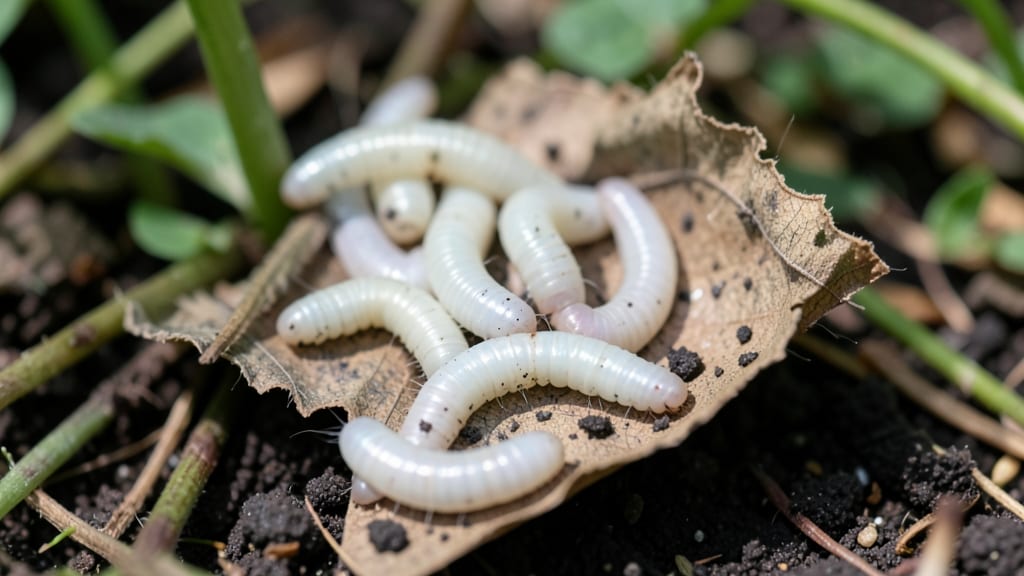
Those tiny white worms wriggling through your garden soil aren’t pests—they’re nature’s composting superstars. 🌱 I used to pull them out thinking they were damaging my plants, but they’re actually breaking down organic matter and aerating the soil for better root growth.
Most white worms you’ll find are enchytraeids or symphylids, harmless soil dwellers that thrive in moist, organic-rich beds. The confusion comes from cutworms or grubs, which are larvae that chew on roots and stems—but those aren’t the same delicate, thread-like worms you’re likely seeing.
Instead of fighting them, let them work for you. They improve soil structure, help nutrients cycle, and even reduce compaction. If you’re worried about overpopulation, simply add more carbon-rich materials like dry leaves or straw to balance their activity.
For organic gardeners, no intervention is needed unless you spot actual plant damage. These worms are a sign your soil is healthy—just give them space to do their job. The key is keeping your garden’s ecosystem in harmony.
Common Causes of White Worms
White worms—often mistaken for pests—are usually beneficial enchytraeid worms or potworms, thriving in moist, organic-rich soil. While they may seem alarming, their presence is rarely a sign of trouble.
Instead, they’re nature’s way of breaking down organic matter. Let’s break down why they appear in your garden and what triggers their population boom.
Enchytraeid worms (a.k.a. "white worms") love consistently damp conditions—so much so that they can’t survive in dry soil. If your garden retains too much moisture, either from overwatering, poor drainage, or heavy rainfall, these worms will multiply rapidly.
Unlike earthworms, they don’t burrow deeply but stay near the surface where moisture is plentiful.
Why it happens:
- Lack of drainage: Compacted or clay-heavy soil traps water, creating ideal conditions for white worms.
- Excessive irrigation: Automated sprinklers or hand-watering without checking soil moisture can lead to soggy spots.
- Organic buildup without aeration: Leaves, mulch, or compost piles that don’t decompose evenly create micro-habitats for them.
💡 Pro Tip: Test your soil’s moisture by squeezing a handful—if water drips out, it’s too wet. Amend with perlite or coarse sand to improve drainage, and avoid watering at night to reduce stagnation.
White worms are detritivores, meaning they feast on decaying plant material, fungi, and even bacteria. If your garden has a surplus of fresh organic matter—like fallen leaves, grass clippings, or uneaten compost—without enough aeration or microbial activity, these worms will thrive unchecked.
Why it happens:
- Too much "green" material: Nitrogen-rich waste (e.g., veggie scraps, fresh grass) ferments quickly, attracting white worms before it can balance with carbon (browns like straw or dried leaves).
- Poorly managed compost piles: If compost heaps are too wet or lack turning, they become breeding grounds for enchytraeids.
- Mulch overload: Thick layers of mulch (especially wood chips) can smother soil, trapping moisture and organic debris.
🔥 Action Step: Balance your soil’s carbon-to-nitrogen (C:N) ratio by mixing greens (nitrogen) with browns (carbon) in a 3:1 ratio. For example, pair kitchen scraps with shredded newspaper or dry leaves. If mulching, keep layers 2–4 inches thick and fluff them occasionally.
Unlike earthworms, which prefer warmer soil (above 50°F/10°C), white worms thrive in cooler, consistent temperatures—typically between 45–65°F (7–18°C). This makes them more common in spring and fall or in shaded, north-facing garden beds where temperatures fluctuate less.
Why it happens:
- Seasonal shifts: As soil cools in autumn or warms slowly in spring, white worms become more active while earthworms slow down.
- Shady or sheltered spots: Areas under trees, dense foliage, or greenhouses maintain cooler, humid microclimates.
- Poor air circulation: Thick mulch or heavy containers trap heat and moisture, creating a white-worm-friendly environment.
✨ Solution: If you’re seeing a surge in cool weather, improve airflow by:
- Spreading mulch thinly (if too thick).
- Using raised beds with better drainage.
- Adding biochar or vermiculite to retain heat without excess moisture.
Not all white worms are the same—and not all are harmful. Here’s how to tell the difference between beneficial and potentially problematic types:
| Type | Appearance | Behavior | Impact |
|---|---|---|---|
| Enchytraeid Worms (white worms) | Thin, translucent, 1/4–1" long, no bristles | Surface-dwellers; multiply in moist organic matter | Beneficial—break down organic material but can indicate imbalance if overpopulated |
| Potworms (white, shiny) | Tiny (1/16"), worm-like, often in potted plants | Feed on decaying roots and fungi; thrive in overwatered pots | Neutral/beneficial—help decompose but can signal poor drainage |
| Cutworms (grayish-white) | Stout, 1–2" long, loop when disturbed | Nocturnal; chew plant stems at soil level | Pest—damage young seedlings |
🔍 Key Takeaway: If your "white worms" are small, thin, and surface-dwelling, they’re likely enchytraeids—not pests. If they’re larger, loop when touched, or you see chewed plants, you may have cutworms (use neem oil or diatomaceous earth as a deterrent).
How to Treat Garden Soil Invaders
Discovering white worms wriggling through your garden soil can feel like an unwelcome surprise—but don’t panic! These tiny creatures are usually harmless (or even helpful), but if they’re causing chaos or you’d prefer to manage their presence, follow these targeted solutions.
Below, we’ll map common causes to practical fixes, plus prevention tips to keep your garden thriving.
If your soil is soggy and these worms are thriving in excess moisture, they’re likely enchytraeids (non-beneficial white worms). Here’s how to fix it:
- 🍳 Reduce Watering Frequency
- Let the top 1–2 inches of soil dry out between waterings. Use a moisture meter or stick your finger in to check.
- Pro Tip: 💡 Water deeply but less often—this encourages roots to grow deeper and reduces surface moisture where these worms love to hide.
- 👨🍳 Improve Drainage
- Amend heavy clay soil with compost or coarse sand to loosen it. Mix in a 1–2 inch layer of organic matter like leaf mold or well-rotted manure.
- For containers, ensure pots have drainage holes and use a mix of potting soil with perlite or vermiculite.
- ⏰ Wait and Monitor
- Enchytraeids are sensitive to dry conditions. After adjusting watering, they’ll typically decline within 2–4 weeks.
If your compost pile or garden soil is overloaded with fresh, nitrogen-rich greens (like grass clippings or veggie scraps), it can attract white worm larvae (e.g., cutworm or armyworm). Rebalance with these steps:
- 🔪 Adjust Your Compost Ratio
- Aim for a 3:1 browns (carbon) to greens (nitrogen) ratio. Browns include dry leaves, straw, or shredded paper; greens are kitchen scraps or fresh plant trimmings.
- Pro Tip: 🌡️ Turn your compost pile every 1–2 weeks to speed up decomposition and deter pests.
- 🎯 Use Row Covers for Plant Beds
- If larvae are attacking seedlings, cover young plants with floating row covers or lightweight fabric to block adult moths from laying eggs.
- Remove covers during pollination if using edible plants.
- ✨ Introduce Beneficial Nematodes
- For persistent larvae, apply beneficial nematodes (like Steinernema carpocapsae) to the soil. These microscopic predators seek out and kill worm larvae naturally.
- Follow package instructions for watering and timing—usually applied in the evening for best results.
If your white worms are actually earthworms or potworms (like Enchytraeus), they’re likely beneficial. Focus on creating an ideal environment to keep them happy:
- 📊 Boost Soil Health
- Add worm castings or well-aged compost to enrich the soil. These worms thrive in nutrient-rich, crumbly soil.
- Avoid chemical fertilizers or pesticides—they’ll harm these helpful worms.
- 💪 Mulch Strategically
- Spread a 2–3 inch layer of straw, wood chips, or shredded leaves around plants. This retains moisture, regulates temperature, and provides food for worms.
- Pro Tip: ✨ Avoid thick layers of fresh wood chips (like cedar), as they can acidify the soil over time.
- 🌱 Rotate Crops and Plant Diversity
- Plant a variety of crops to disrupt pest cycles. Worms like potworms are less likely to overpopulate in diverse ecosystems.
- Interplant with marigolds, basil, or garlic—these can deter some worm-related pests naturally.
Once you’ve addressed the issue, take these steps to keep white worms in check:
- 🌡️ Monitor Soil Moisture: Use a rain gauge or tipping bucket to track water input and avoid over-saturation.
- 🎯 Clean Up Debris: Remove fallen leaves, plant residues, and weeds where worms can hide and multiply.
- 💡 Test Your Soil: Conduct a simple pH test (ideal range for most worms is 6.0–7.0). Adjust with lime (to raise pH) or sulfur (to lower it) if needed.
- 🌱 Practice Crop Rotation: Rotate plant families yearly to starve out pests that rely on specific hosts.
- ✨ Encourage Natural Predators: Birds, toads, and ground beetles love munching on worm larvae. Create habitats like log piles or bird baths to attract them.
With these solutions, you’ll either reclaim your garden’s balance or turn those white worms into your soil’s secret superheroes. Happy gardening! 🌱🐛✨
Frequently asked questions about white worms in soil
Are white worms harmful to plants?
Most white worms—like enchytraeids—are actually beneficial. They break down organic matter and improve soil structure. Only cutworms (larger, grayish-white) or grubs (stout, C-shaped) damage plants by chewing roots or stems. Always check size and behavior first before acting.
How do I tell if my white worms are pests?
Pest worms (like cutworms) are 1-2 inches long, loop when disturbed, and appear at night. Beneficial worms are thin, translucent, and under 1 inch, staying near the surface. Check for chewed stems or wilting seedlings—clear signs of pests.
Why do I see more white worms after rain?
White worms thrive in moist conditions. Heavy rain creates ideal breeding grounds, especially in poorly draining soil. They surface when soil becomes saturated. Reduce watering slightly and improve drainage with compost or perlite to manage their population.
Can I use diatomaceous earth on white worms?
Yes, but only for pests like cutworms—not beneficial worms. Sprinkle food-grade diatomaceous earth lightly around plants at dusk (it works best when dry). Avoid overapplying—it can harm soil microbes. For enchytraeids, focus on drainage instead.
Will white worms disappear on their own?
Yes, if conditions change. Reduce excess moisture by adjusting watering or amending soil with organic matter. Beneficial worms will decline naturally as conditions improve. For pests, combine natural predators (birds, nematodes) with cultural fixes for long-term control.