
Companion Plants
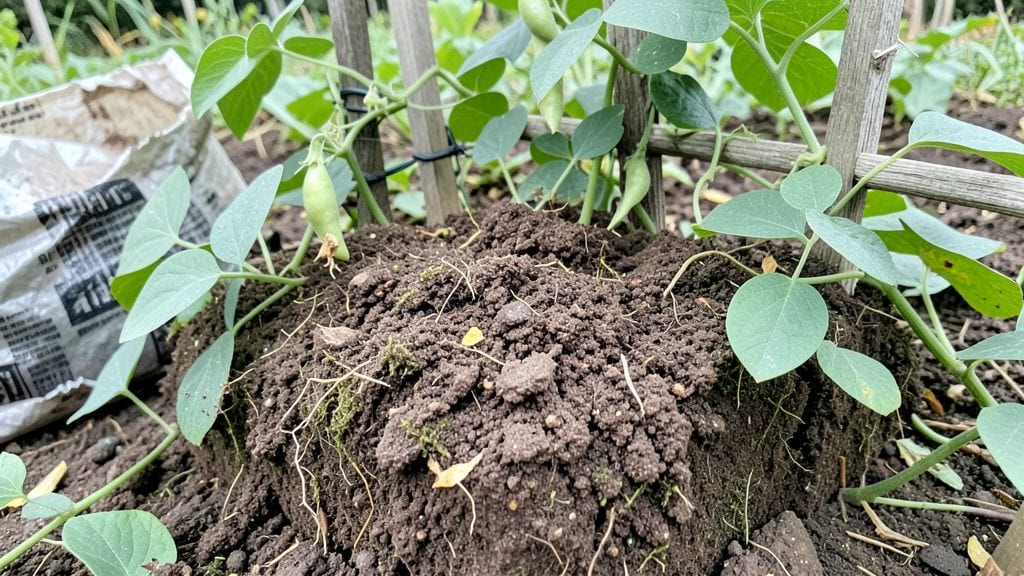
Peat is bad for gardens because its extraction destroys fragile wetlands, releasing stored carbon and harming biodiversity. As a non-renewable resource, it also depletes ecosystems while offering limited long-term soil benefits compared to sustainable alternatives like coconut coir or compost.
Peat's environmental harm starts with its extraction process, which drains and damages vast wetland areas that act as natural carbon sinks.
These ecosystems store more carbon than all the world's forests combined, and their destruction accelerates climate change by releasing that stored carbon into the atmosphere. 🌍 Beyond carbon, peatlands support unique species like carnivorous plants and endangered birds, making their loss a biodiversity crisis.
While peat temporarily improves soil moisture retention, its effects fade quickly compared to renewable options.
Gardeners often reach for peat because of its mythical water-holding properties, but alternatives like coconut coir or well-aged compost deliver similar benefits without the ecological cost. I've switched entirely to coir for my container gardens—it retains moisture just as well, breaks down slowly, and comes from sustainable sources.
The key is understanding that what works today shouldn't come at tomorrow's expense.
💡 In This Article
- Peat’s Environmental Impact on Wetland Ecosystems
- Best Peat-Free Soil Amendments for Healthy Gardens
Peat’s environmental impact on wetland ecosystems
Peat extraction begins by draining vast wetland areas, which immediately disrupts their natural carbon sequestration function. These ecosystems store 2.2 trillion tons of carbon—twice as much as all the world's forests combined—because their waterlogged conditions slow decomposition.
When drained, peat oxidizes rapidly, releasing 3-5 tons of CO₂ per hectare annually, equivalent to burning fossil fuels. 🌍 This process also lowers the water table, turning spongy bogs into dry, barren land that can't recover.
The damage extends to biodiversity, particularly Sphagnum moss, which forms the foundation of peatlands. This moss absorbs water like a sponge while creating microhabitats for rare species like the fen orchid and bog asphodel.
Drainage kills Sphagnum by exposing it to sunlight and oxygen, causing it to desiccate within weeks. Globally, 10% of peatlands have already been destroyed, with 35% more at risk due to commercial extraction for horticulture and fuel.
Water tables drop by up to 2 meters in drained peatlands, altering hydrology that affects downstream ecosystems. The resulting dry conditions also increase wildfire risks—peat fires in Indonesia (2015) released 1.6 billion tons of CO₂, worse than a year of EU emissions.
These feedback loops make peat extraction a climate accelerator, not a solution. 🔥
What most gardeners don't realize is that peat's temporary water-retention benefits fade within 1-2 years as it breaks down. Meanwhile, alternatives like coconut coir maintain moisture for 5+ years while supporting microbial life. The trade-off isn't just environmental—it's practical too.
Consider this: A single 10-liter bag of peat requires draining 100 square meters of wetland. That same volume of coir comes from coconut husks, a renewable byproduct of the food industry. The math is clear—peat's short-term convenience carries long-term costs we can't afford. ✨
For perspective, the UK's 2024 peat ban on horticultural use reflects this reality. While some argue peat improves drainage, the alternatives now match or exceed its performance—without the ecological debt. The question isn't whether peat works, but whether we can justify its destruction when better options exist.