My childhood home had a garden that smelled like crushed mint and damp earth after a rain. My dad would let me dig in the soil with my hands, and I spent more time pulling weeds than planting seeds—though somehow, the tomatoes always grew. Now, I run this site to share the lessons I’ve learned: how to coax life from stubborn soil, how to troubleshoot a wilting plant, and why sometimes the best harvests come from mistakes. Gardening isn’t about perfection; it’s about patience, curiosity, and the quiet joy of watching something grow.
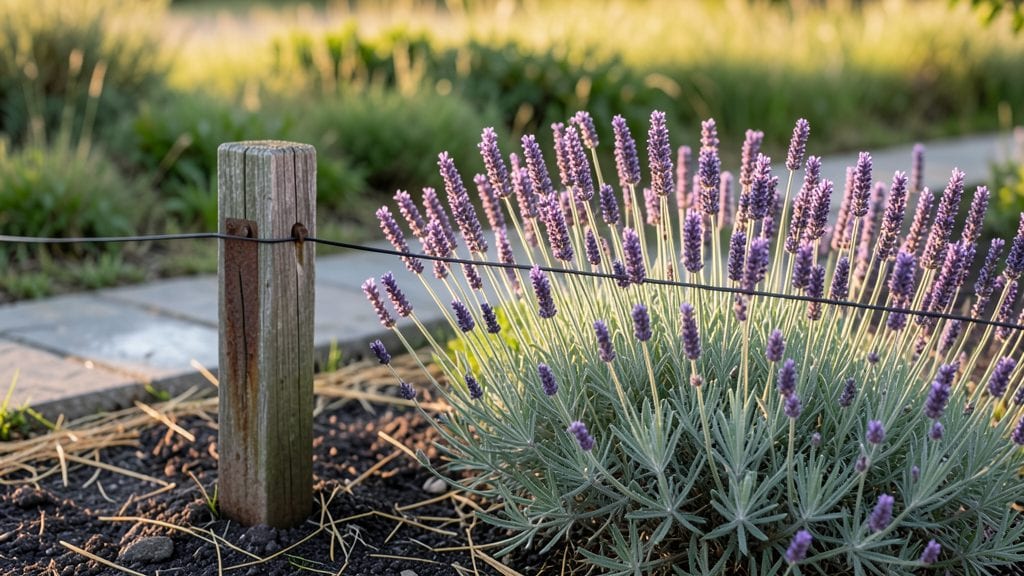
An invisible fence to keep your dog out of the garden can save your plants—and your sanity—without resorting to harsh methods. I’ve tested every option after my golden retriever turned my vegetable patch into a muddy…
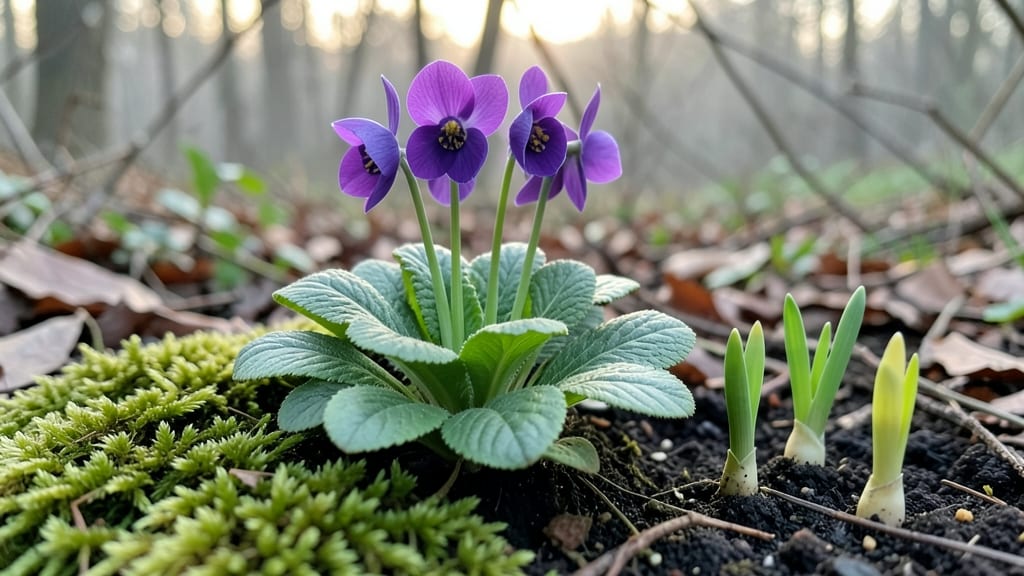
An Irish spring garden thrives when you work with—not against—the weather. 🌿 I’ve learned that the key isn’t fighting the damp or waiting for perfect sun; it’s choosing the right plants and timing your efforts to match…
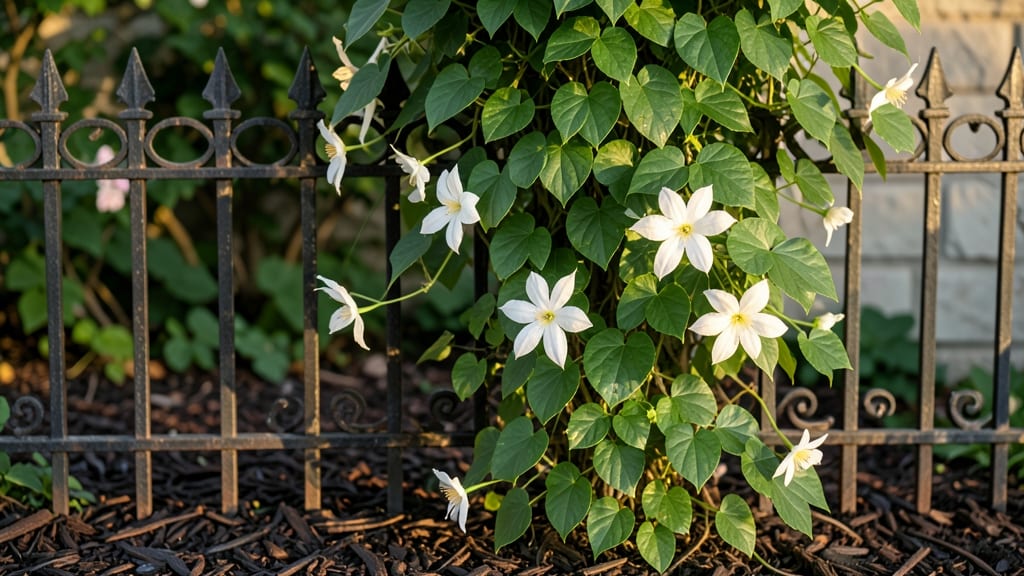
An iron garden fence transforms your yard into a private, timeless retreat that lasts for generations. 🌿 I installed mine five years ago, and it’s still holding strong against wind, rain, and the occasional curious…
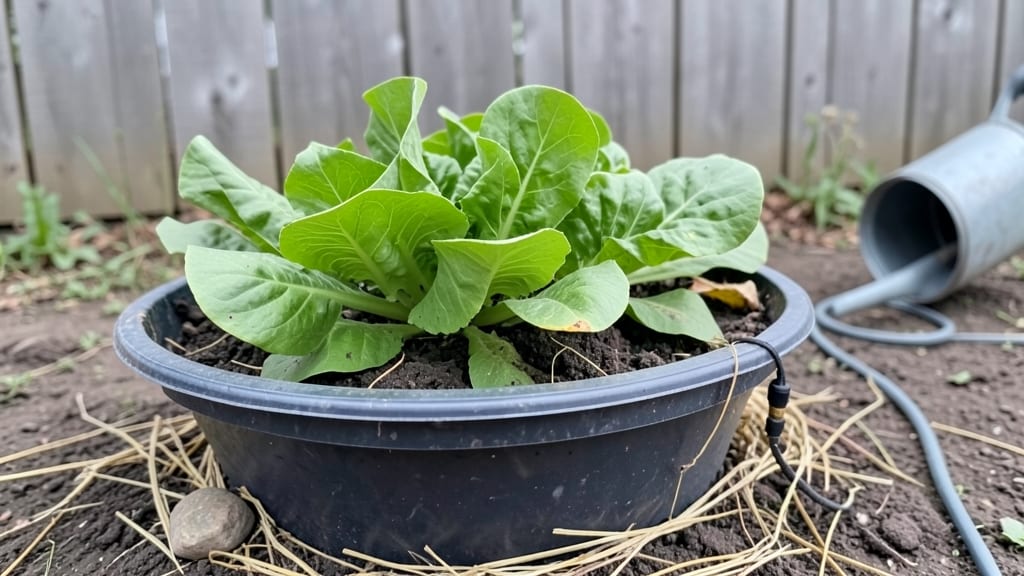
An irrigation container garden turns your balcony into a self-sustaining oasis without daily watering battles. 🌱 I was drowning my herbs one week and letting them wilt the next—until I installed a simple drip system…
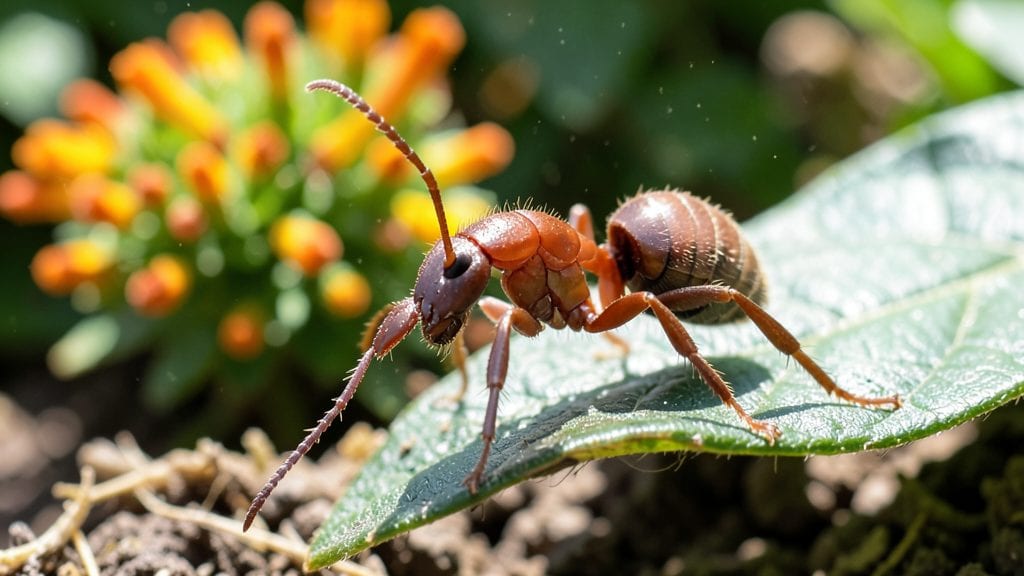
💥 Quick Answer Having ants in your garden isn’t always bad—they aerate soil, control pests like aphids, and improve plant health by breaking down organic matter. However, certain species can damage roots or attract…
Is it better to water your garden in the morning or evening? Morning wins for plant health, as it cuts evaporation, slashes fungal risks, and lets roots soak up moisture before the day heats up. Evening watering can work…
💥 Quick Answer Market gardening is either commercial or subsistence, determined by whether it's profit-focused or self-sufficient. Commercial operations scale crops for market sales, while subsistence gardens grow…
💥 Quick Answer Peat moss is bad for vegetable gardens because it depletes carbon-rich ecosystems, releases stored CO₂ when harvested, and disrupts fragile bog habitats. Sustainable alternatives like coconut coir or…
💥 Quick Answer Peat moss is good for vegetable gardens because it improves soil drainage, retains moisture, and lowers pH for acid-loving plants like tomatoes and blueberries, but its sustainability concerns and limited…
A Japanese container garden brings quiet beauty to even the tiniest balcony or windowsill. 🌿 I’ve designed these pocket-sized Zen spaces for city dwellers who crave calm—where every plant, stone, and container tells a…