
Pests
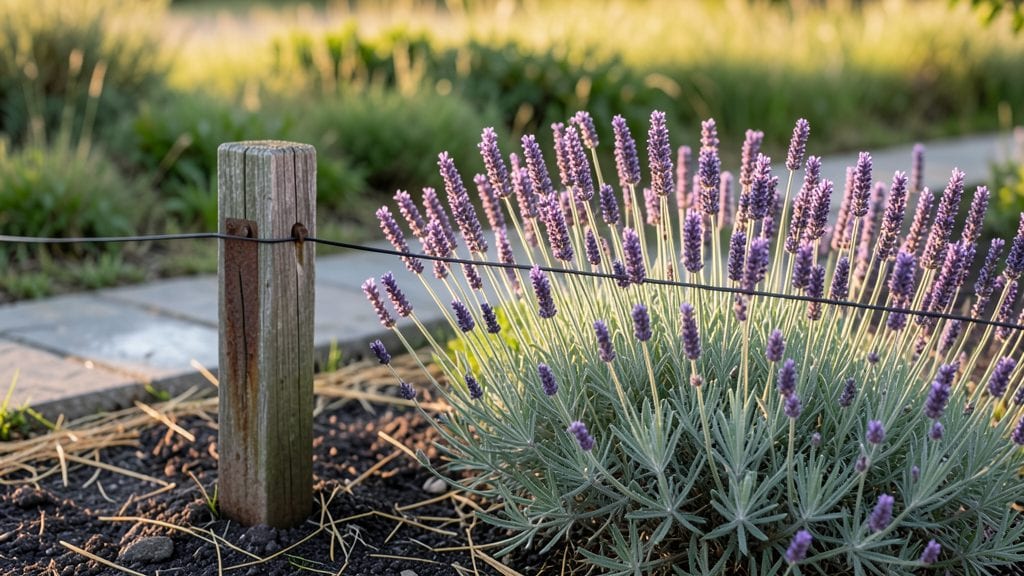
An invisible fence to keep your dog out of the garden can save your plants—and your sanity—without resorting to harsh methods. I’ve tested every option after my golden retriever turned my vegetable patch into a muddy playground, and this system works when others fail.
The key is setting it up right: proper collar placement, strategic wire placement, and training that rewards good behavior instead of punishing mistakes. 🌱
You’ll need a wireless transmitter, underground wire or above-ground poly ribbon, a durable collar with a tone/vibration system, and some treats for positive reinforcement. Most systems cost between $150 and $300, but the peace of mind—and your intact tomatoes—are worth it.
The setup takes about 2 hours for a small yard, and you can expand it as your garden grows. The best part? Your dog learns boundaries without fear, and your garden stays intact.
With the right approach, you’ll see your pup respecting the garden lines within a week or two of consistent training. The plants will thrive, the soil stays undisturbed, and your dog won’t develop anxiety—just a clear understanding of where they’re allowed to roam.
It’s not magic, but it’s the next best thing to a fence that doesn’t block your view. Here’s how to make it work without stressing either your garden or your pet.
Fair warning: this isn’t a foolproof solution if your dog is highly food-motivated or ignores commands entirely. For those cases, a physical barrier like a short fence or raised beds might be the better play.
But for most dogs, an invisible fence strikes the perfect balance between protection and freedom. Let’s get your garden—and your pup—back on track.
📚 In This Guide
- What you need
- Instructions
- Tips and common mistakes
- Wrapping up and next steps
What you need
- ● Invisible fence kit: Choose a wireless or wired system (e.g., PetSafe, SportDOG) with a range that covers your garden’s perimeter. Pro tip: Measure your yard first to ensure full coverage! 🎯
- ● Boundary flags/stakes: 10–20 plastic flags (depending on yard size) to mark the invisible boundary line.
- ● Transmitter/receiver: 1 unit (waterproof if outdoors) to send the signal. Place it indoors, near a power outlet.
- ● Collar with receiver: 1 adjustable, humane correction collar (static or vibration-only) for your dog. Note: Avoid shock collars—opt for gentle training tones! ✨
- ● Batteries: AA or AAA (check your kit’s specs) + a backup set.
- ● Measuring tape: 25–50 ft for mapping the boundary line.
- ● Staple gun (for wired systems) or flag mallet: To secure wires or flags along the fence line.
- ● Insulated wire (if wired system): 10–20 ft (18-gauge, weatherproof) to connect flags to the transmitter.
- ● Garden markers: Decorative stakes or solar-powered lights to visually reinforce the boundary.
- ● Extra collars: If you have multiple dogs, each needs their own receiver collar.
- ● Extension cord: If your transmitter isn’t near an outlet.
- ● Training treats: For positive reinforcement during setup! 🍖
- ● Weatherproof box: To protect the transmitter from rain/snow.
Step-by-Step guide to creating a humane invisible garden barrier for dogs
Here’s how to keep your curious pup out of your garden without causing stress or harm.
🪴 Step 1: Assess Your Garden’s Boundaries and Dog’s Behavior
First, walk your garden’s perimeter and note where your dog most frequently enters or digs. Look for visual cues like disturbed soil, muddy paw prints, or chewed plants. I always mark these hotspots with small flags or stakes—this helps me focus the barrier where it’s needed most.
Next, observe your dog’s habits. Does he sniff, dig, or patrol certain areas? Dogs often repeat behaviors, so understanding these patterns helps me position the barrier effectively. For example, if your dog circles the garden before digging, I’d place the barrier slightly outside that path to intercept the behavior early.
💧 Step 2: Choose and Install a Humane Deterrent System
For a humane approach, I recommend a motion-activated spray system designed for pets. These systems release a harmless burst of water when triggered by movement, without causing lasting harm. Avoid ultrasonic devices—some dogs find them stressful, and they don’t address digging behaviors.
Install the system according to the manufacturer’s instructions, ensuring sensors are placed 6-12 inches outside your garden’s edge. Test the spray pattern by walking through the area yourself—you want coverage that deters but doesn’t overwhelm. A gentle spray is more effective than a strong one, as it teaches the boundary without scaring your dog.
✂️ Step 3: Reinforce with Physical Barriers for Stubborn Diggers
If your dog is a determined digger, combine the spray system with physical deterrents. I like using landscape fabric buried 6-8 inches deep along the garden’s edge. This prevents digging while allowing water to drain. For above-ground barriers, try decorative rocks or mulch—dogs dislike the texture and often avoid these areas.
For extra reinforcement, plant thorny or prickly plants like roses or holly along the garden’s perimeter. The natural barrier discourages digging while adding beauty to your yard. Just make sure these plants are safe for your dog if he’s a chewer—avoid toxic varieties like foxglove or oleander.
☀️ Step 4: Train Your Dog with Positive Reinforcement
While the barrier works, I always pair it with positive reinforcement training. Use a long leash (15-30 feet) to guide your dog along the garden’s edge, praising him when he stays out. Treat him with high-value rewards when he respects the boundary, even if it’s just for a few seconds.
Consistency is key—repeat this training daily for at least 2 weeks until your dog consistently avoids the garden. If he crosses the boundary, calmly redirect him without scolding. Dogs respond better to encouragement than punishment, and this method builds trust while keeping your garden safe.
⏰ Step 5: Monitor and Adjust the System Over Time
Check the barrier system weekly to ensure it’s still effective. Adjust sensor placement if your dog finds a new way to enter the garden. For example, if he starts circling to the left, move the spray trigger slightly farther out to intercept his path.
Also, watch for signs of stress in your dog, like excessive barking or avoidance of the area. If he seems anxious, the spray might be too intense—reduce the pressure or switch to a milder setting. A humane barrier should protect your garden and keep your dog comfortable.
Tips & tricks for creating a humane garden barrier
These game-changing tips will help you create an effective, stress-free boundary that keeps your pup out of the garden while keeping your plants safe.
Behavior Observation is Key: In Step 1, when you're marking those hotspots, pay extra attention to your dog's body language. Does he sniff first, then dig? Or does he patrol the perimeter? Understanding these patterns helps you position your motion-activated spray system in Step 2 for maximum effectiveness. I've found that dogs often have specific "entry points" they use repeatedly—identifying these makes your barrier system much more efficient.
Sensor Placement Matters: When installing your motion-activated spray system in Step 2, remember that the 6-12 inch range from your garden's edge is crucial. Place sensors slightly farther out if your dog tends to circle or approach from a distance. Test the spray pattern by walking through yourself—you want just enough deterrence to teach the boundary without startling your dog. A gentle spray is more effective than a strong one for long-term training.
Layered Approach Works Best: For stubborn diggers in Step 3, combine your physical barriers with the spray system for maximum effectiveness. I've seen dogs ignore one type of deterrent but respond to multiple layers. For example, a dog might ignore landscape fabric alone but avoid it when combined with the spray system. This layered approach creates a stronger mental association with the boundary.
Training Consistency is Critical: The 2-week training period in Step 4 is non-negotiable for success. Dogs need time to learn new boundaries, and consistency is everything. I recommend setting a daily alarm to remind you to practice with your long leash. Even 5-10 minutes of focused training each day makes a huge difference in helping your dog understand and respect the new boundary.
Pro Tips for Invisible Fence To Keep Dog Out Of Garden
- These game-changing tips will help you create an effective, stress-free boundary that keeps your pup out of the garden while keeping your plants safe.
- Behavior Observation is Key: In Step 1, when you're marking those hotspots, pay extra attention to your dog's body language.
- Sensor Placement Matters: When installing your motion-activated spray system in Step 2, remember that the 6-12 inch range from your garden's edge is crucial.
Frequently asked questions
Got questions about using an invisible fence to protect your garden? Here are some common concerns—and clear answers—to help you make the best choice for your pup and your plants!
Is an invisible fence humane for my dog?
Yes! A well-set-up invisible fence uses a gentle, harmless electric pulse (like a static shock) to deter dogs from entering the garden. When installed correctly, it’s a humane alternative to physical barriers or harsh training methods. Always prioritize positive reinforcement and consult a trainer if your dog shows stress.
How long does it take to train my dog?
Training time varies by dog, but most pups adapt within 1–2 weeks of consistent practice. Start with short training sessions (5–10 minutes) near the boundary line. Patience and treats help! Avoid rushing—let your dog learn at their own pace.
Will an invisible fence stop my dog from digging or jumping?
An invisible fence deters entry but won’t prevent digging or jumping inside the garden. For extra protection, combine it with:
- Physical barriers (e.g., raised beds, fencing)
- Distractions (e.g., toys, water bowls)
- Regular yard checks
Are there cheaper alternatives?
Yes! If budget is a concern, try:
- DIY motion-activated sprinklers ($50–$150)
- Physical barriers (e.g., chicken wire, temporary fencing)
- Citrus or vinegar sprays (dogs dislike the smell)
What if my dog ignores the fence?
If your dog keeps crossing, check:
- Battery strength (weak signals = ineffective)
- Collar fit (too loose = no stimulation)
- Training consistency (reinforce boundaries daily)
Wrapping up and next steps
An invisible fence is a humane, effective way to protect your garden while keeping your furry friend safe and happy. By choosing the right method—whether a DIY solution or a commercial system—you can create a barrier that respects your dog’s instincts without causing stress or harm.
The key is consistency, patience, and positive reinforcement to help your pup adjust.
Ready to transform your garden into a no-dog zone? Start by picking the approach that fits your space and budget, then take it step by step. Your garden—and your dog—will thank you! 🌿🐕