
Advice
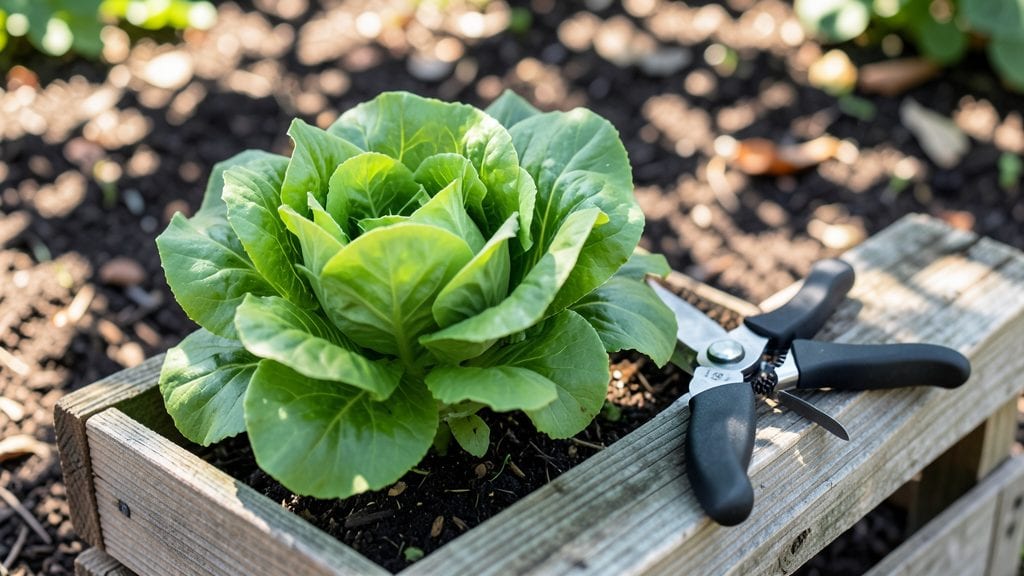
Market gardening is either commercial or subsistence, determined by whether it's profit-focused or self-sufficient. Commercial operations scale crops for market sales, while subsistence gardens grow primarily for household use with little surplus.
Market gardening's classification hinges on its primary purpose—whether it's designed to generate income or sustain a family.
Commercial setups often feature high-value crops like heirloom tomatoes or microgreens, sold at farmers' markets or to restaurants, while subsistence gardens prioritize staples like beans and squash for daily meals. 🌱 The key difference lies in infrastructure too: commercial gardens may invest in irrigation systems and cold storage, whereas subsistence plots rely on manual labor and seasonal storage methods.
What's interesting is how these models can overlap. Many small-scale farmers start with subsistence needs but expand into commercial sales when demand grows—especially in urban areas where local food movements create new markets.
This hybrid approach lets growers balance self-sufficiency with extra income, making it the most adaptable strategy for modern gardeners.
💡 In This Article
- Market Gardening Scale and Profit Models
- Real-World Examples of Commercial vs. Subsistence Market Gardens
Market gardening scale and profit models
The distinction between commercial and subsistence market gardening comes down to three core factors: production volume, revenue objectives, and operational complexity. Commercial operations typically generate annual revenues exceeding $25,000, with some high-value specialty crops reaching $100,000+ in urban markets.
These gardens focus on high-demand crops like microgreens (which can yield $500 per 100 sq ft annually) or heirloom tomatoes, often sold through direct-to-consumer channels like CSA programs or restaurant partnerships.
Labor investment reveals another key difference. Commercial gardens employ 10-20 hours per week of specialized labor for tasks like hydroponic maintenance or post-harvest handling, while subsistence plots rely on 5-10 hours per week of family labor.
Infrastructure also varies dramatically: commercial setups may include $5,000+ in irrigation systems and cold storage, whereas subsistence gardens often use $200 rainwater collection barrels and simple shade cloths.
The science behind this lies in economies of scale—commercial operations leverage technology to reduce per-unit costs, while subsistence gardens prioritize low-cost, high-yield traditional methods.
Crop selection serves as a clear indicator of the garden's purpose.
Commercial gardens often specialize in high-value, low-volume crops like asparagus ($3.50 per pound wholesale) or gourmet mushrooms ($15 per pound), whereas subsistence plots focus on high-volume staples like sweet potatoes (which yield 5-10 tons per acre) or maize.
This specialization creates a feedback loop: commercial growers invest in research to optimize yields, while subsistence farmers rely on centuries-old knowledge passed through generations. The sensory difference is striking too—commercial gardens often prioritize visual appeal for market sales, while subsistence crops emphasize storage quality and nutritional density.
Sales channels create another dividing line. Commercial operations typically use 3-5 sales channels, including farmers' markets, wholesale distributors, and online platforms, while subsistence gardens sell 0-1% of production at local markets.
The profit margins reflect this: commercial operations average 30-50% gross margins on high-value crops, whereas subsistence gardens operate on 10-20% margins when they sell at all.
What's fascinating is how these models interact—many urban commercial gardens started as subsistence plots that expanded when local food movements created new demand for fresh, locally grown produce.
Consider the labor-to-revenue ratio as another telling metric. Commercial market gardens achieve $15-$30 per hour in labor productivity through specialization, while subsistence plots generate $3-$8 per hour when accounting for all family labor.
This difference explains why commercial operations can justify expensive inputs like soil testing ($150-$300 per test) and organic certification fees ($500-$1,500 annually), while subsistence gardens rely on composting and crop rotation for soil fertility.
The infrastructure tells the same story: commercial setups may include solar-powered greenhouses costing $10,000+, while subsistence gardens use low-cost shade structures made from local materials.
What most people don't realize is how these models can coexist on the same plot. Many small-scale farmers practice what's called "semi-commercial" gardening—growing 70% staples for household use while allocating 30% to market crops.
This hybrid approach allows families to maintain food security while generating $500-$2,000 annually in supplemental income. The key factor here is flexibility: commercial operations require rigid planning around market cycles, while subsistence gardens adapt to seasonal availability and family needs.
This adaptability often makes subsistence models more resilient during economic downturns, while commercial operations can scale rapidly when demand increases.