
Pests
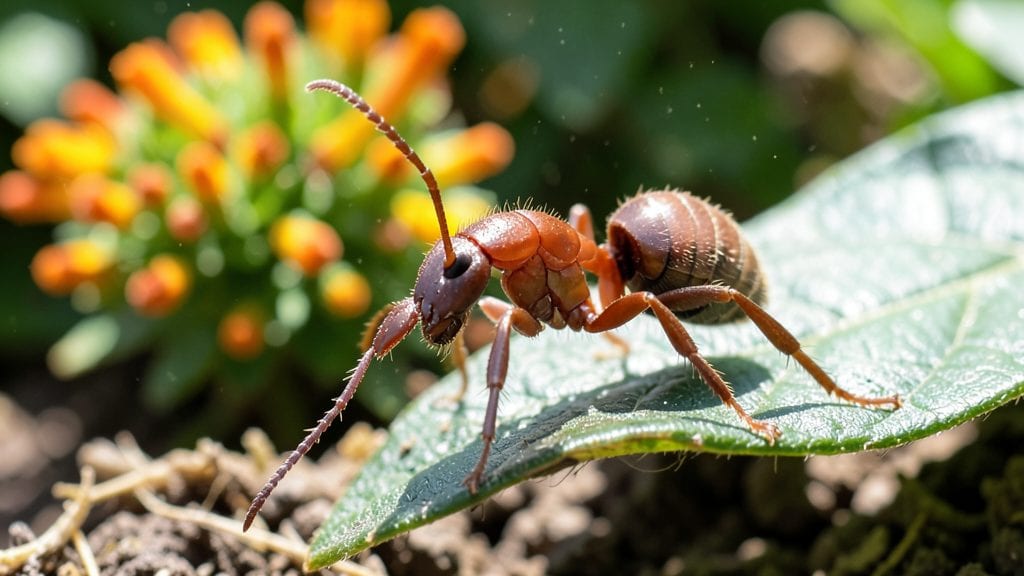
Having ants in your garden isn’t always bad—they aerate soil, control pests like aphids, and improve plant health by breaking down organic matter. However, certain species can damage roots or attract nuisance pests, so monitor their behavior before acting.
Ants actually play a crucial role in garden ecosystems by acting as natural pest controllers and soil improvers. 🔥 Their tunneling habits break up compacted dirt, allowing better water and nutrient absorption for plants, while their predation on aphids and other pests reduces the need for chemical interventions.
However, species like carpenter ants or fire ants can pose problems by damaging plant roots or creating unsightly mounds that disrupt garden layouts.
If you notice large ant trails, visible damage to plants, or aggressive species like fire ants, it’s time to intervene. Natural solutions like diatomaceous earth or vinegar barriers can deter most ants without harming beneficial insects, while severe infestations may require professional pest control.
The key is balancing their ecological benefits with potential drawbacks—most gardeners find a few ants are far more helpful than harmful.
💡 In This Article
- How Ants Benefit or Harm Garden Ecosystems
- When and How to Manage Garden Ants Effectively
How ants benefit or harm garden ecosystems
Ants act as nature's garden engineers, performing critical functions that directly impact plant health. Their tunneling habits aerate soil to a depth of 10-15 inches, creating channels that improve water drainage and root penetration.
Studies show ant tunnels can increase soil porosity by up to 40% in compacted areas, which is especially valuable for heavy clay soils where water often pools. This physical soil modification helps prevent root rot while making nutrients more accessible to plants.
Their pest control services are equally impressive—ants are voracious predators of garden pests like aphids, which they "farm" for honeydew. A single colony can consume 1,000+ aphids per day, effectively pruning plant sap-suckers that would otherwise weaken vegetation.
The science behind this is fascinating: ants release pheromones that attract other predators, creating a biological control cascade. However, this benefits only certain plants—ants often prioritize aphids on tender new growth over established foliage, which can create uneven plant development patterns.
On the downside, some ant species cultivate fungus gardens underground that can compete with plant roots for nutrients. Argentine ants, for instance, create extensive underground networks that can disrupt root systems, particularly in young seedlings. The damage manifests as stunted growth or wilting, often mistaken for drought stress.
Fire ants take this further—their mounds can reach 18-24 inches high and contain up to 250,000 workers, creating physical barriers that prevent proper water absorption in affected areas.
Here's what most gardeners miss: ants also serve as nutrient recyclers. They break down organic matter at rates 10x faster than decomposition alone, redistributing nitrogen and phosphorus through their waste. This creates natural fertilizer hotspots where plants thrive.
The trade-off comes with species like carpenter ants, which don't just tunnel—they actually consume cellulose from plant stems, creating structural weaknesses that can snap under wind stress.
Visual clues help distinguish helpful from harmful ants. Beneficial species like pavement ants create small, scattered mounds with fine tunnels, while problematic species build large, dome-shaped mounds with visible worker traffic.
The key difference lies in their foraging patterns: beneficial ants focus on pest control during daylight hours, while invasive species like fire ants are most active at night, often near water sources.
What's actually happening in your garden depends on the species present. A diverse ant population typically indicates a healthy ecosystem, while monocultures of aggressive species signal potential problems.
The most balanced approach is to observe ant behavior—if they're actively hunting pests during the day and not damaging plants, they're likely more helpful than harmful. 🌱