
Vegetables
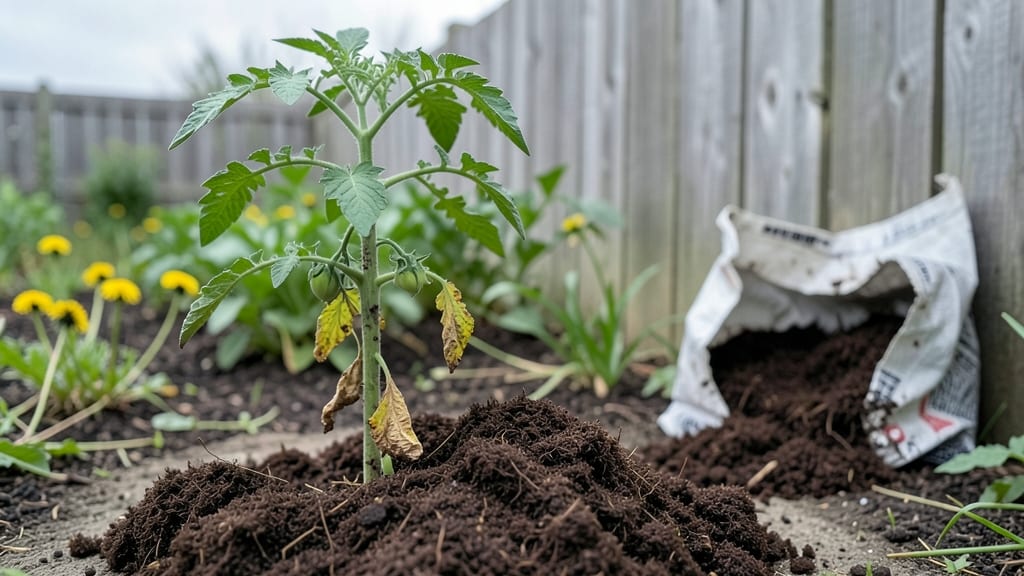
Peat moss is bad for vegetable gardens because it depletes carbon-rich ecosystems, releases stored CO₂ when harvested, and disrupts fragile bog habitats. Sustainable alternatives like coconut coir or compost improve soil without environmental damage.
Peat moss may seem like a gardener's best friend for its water retention, but the environmental cost is steep. 💫 Bogs take centuries to form, yet harvesting peat moss for soil amendments can destroy these ecosystems in decades, releasing centuries-worth of stored carbon into the atmosphere.
This isn't just about losing a resource—it's about accelerating climate change while harming habitats for rare plants and wildlife. For vegetable gardens, the trade-off isn't worth it when better alternatives exist that nourish soil without ecological harm.
Instead of peat moss, I recommend coconut coir for its excellent moisture retention and neutral pH, or well-aged compost that adds organic matter while supporting microbial life.
Both options break down slowly, improving soil structure over time without the guilt. The key is choosing amendments that work with nature, not against it.
💡 In This Article
- Environmental Impact of Peat Moss Harvesting
- Best Peat-Free Soil Amendments for Vegetable Gardens
Environmental impact of peat moss harvesting
Here's what's actually happening when peat moss is harvested: bogs—wetland ecosystems that take 1,000 to 3,000 years to form—are drained and stripped of their accumulated organic matter. These ecosystems store 2.5 times more carbon per acre than tropical rainforests, acting as natural carbon sinks.
When harvested, peat moss releases this stored CO₂ back into the atmosphere, contributing significantly to climate change.
The process begins with machinery cutting into peat layers, which are then dried and bagged.
This destruction doesn't just release carbon—it also eliminates habitats for rare species like the bog orchid or northern peatland frog, which rely on these fragile environments. 🌿 What's worse, the land often becomes barren after extraction, unable to recover its original ecological function.
Even "sustainable" peat harvesting can't reverse this damage, as the peatlands' natural regeneration process is far slower than human consumption rates.
Consider this: while peat moss forms at a rate of about 1 millimeter per year, commercial harvesting removes 10-20 centimeters annually. This imbalance means that even if we stopped using peat moss today, existing extraction sites would continue degrading for decades.
The long-term soil degradation isn't just an environmental issue—it's a climate crisis in slow motion, with each bag of peat moss representing centuries of lost ecosystem services.
What most people don't realize is how peat moss harvesting affects water cycles. Bogs naturally filter and store water, preventing flooding and droughts downstream. When these ecosystems are destroyed, nearby communities face increased flood risks and water scarcity.
The 2018 Irish peatland fires, for example, released enough CO₂ to equal the country's annual emissions—all from harvesting-related land degradation.
The science behind this involves understanding peat's unique composition: it's made of partially decomposed plant material that remains waterlogged, preventing full decomposition. This preservation process is what makes peat such a valuable carbon store.
However, when exposed to air through harvesting, the peat begins to oxidize, releasing CO₂ at rates 100 times faster than when it was intact. 🌍 This oxidation process is irreversible once the peat is removed, making every bag of peat moss a permanent loss for the planet.
For vegetable gardens, the irony is especially bitter. While peat moss temporarily improves soil moisture retention, the environmental cost outweighs any short-term benefits. The alternatives—like coconut coir or compost—offer similar moisture control without the ecological harm.
By choosing these options, gardeners can support healthy soil while protecting the very ecosystems that help regulate our climate.