Vegetables
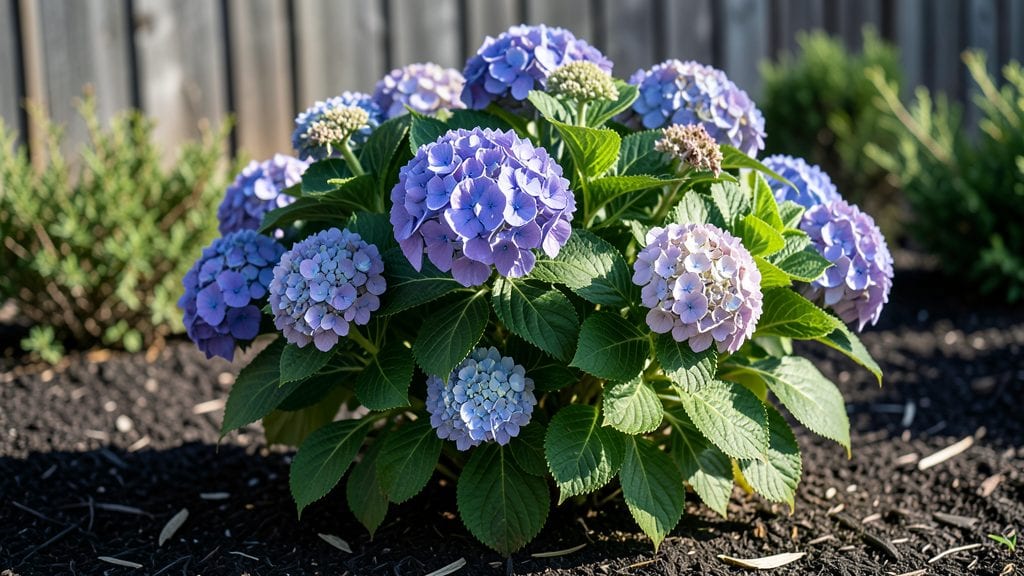
Strolling the gardens in compact yards thrives with vertical planting layouts that maximize greenery while saving space, using trellises, wall pockets, and tiered planters for lush, walkable pathways and vibrant displays.
When you design a garden for leisurely walks, vertical planting transforms narrow spaces into immersive green corridors. 🌿 The key is choosing plants that cascade naturally—like sweet peas or nasturtiums—along trellises, while compact shrubs (such as boxwood or dwarf lilacs) frame the pathways.
This approach not only creates a visually stunning experience but also makes maintenance easier by keeping foliage off the ground. I’ve seen this technique turn even 4x8-foot yards into fragrant, shaded strolls where every step reveals new textures and colors.
What’s especially clever is how vertical gardens solve common compact-yard challenges. For instance, tiered planters elevate plants away from damp soil, preventing root rot while adding height to your walkways. Wall-mounted pockets let you grow herbs or succulents at eye level, turning a simple stroll into a sensory journey.
The result? A garden that feels expansive despite its footprint, where every plant has a purpose—and every path invites exploration. 💫
💡 In This Article
- How Vertical Planting Maximizes Garden Space Efficiently
- Best Vertical Planting Solutions for Walkable Garden Pathways
How vertical planting maximizes garden space efficiently
Vertical gardening works by utilizing the vertical plane of walls, fences, and structures to grow plants upward instead of outward. This technique multiplies your growing area exponentially—imagine converting a 6-foot fence into a 6-foot-tall garden instead of a 6-foot-wide one.
For example, a 4x8-foot yard can support 32 square feet of ground space but potentially 100+ square feet when using vertical structures. The mechanics involve redirecting plant growth through trellises, cages, or modular planters, allowing vines, herbs, and even small trees to thrive in tight spaces.
One of the biggest advantages is improved airflow and sunlight exposure. Plants grown vertically receive 30-50% more light compared to ground-level crops, as they’re less shaded by neighboring plants. This reduces competition for resources and minimizes the risk of fungal diseases caused by stagnant air.
Additionally, vertical layouts prevent soil compaction and erosion, which is especially critical in small yards where foot traffic can quickly degrade soil structure.
For instance, a hanging planter with 1-inch drainage holes ensures excess water escapes, while a wall-mounted pocket planter keeps roots aerated and reduces moisture buildup at the base.
The science behind vertical gardening also involves root zone management. Many vertical systems use lightweight, moisture-retentive growing media like coconut coir or hydroponic mats, which hold nutrients closer to roots while allowing excess water to drain.
This is particularly effective for herbs like basil or thyme, which thrive in well-draining conditions but can suffer in soggy soil. Modular systems, such as stackable planters, let you customize watering schedules—top tiers dry faster than bottom ones, so you can adjust irrigation accordingly. 🌱
Another key benefit is reduced pest pressure. Elevating plants keeps them away from ground-dwelling pests like slugs and snails, while vertical structures deter crawling insects that rely on ground cover.
For example, a 3-foot-tall trellis with climbing roses not only saves space but also lifts the plants above aphid-prone foliage. This elevated approach also makes harvesting easier—no more bending over for cherry tomatoes or strawberries; instead, you simply reach upward, reducing strain on your back.
Consider the structural versatility of vertical gardening. Trellises made from powder-coated metal or bamboo can support 20-30 pounds per square foot, while fabric pocket planters stretch to accommodate 12-inch-deep root zones.
Living walls, often filled with hydroponic felt pads, can grow 200+ plants per square yard, making them ideal for urban balconies. The choice of material affects durability—galvanized steel resists rust, while recycled plastic planters won’t degrade in sunlight. Each option balances aesthetics, functionality, and longevity differently.
What most people don’t realize is how vertical gardening enhances microclimates. A south-facing wall with vertical planters can create a 5-10°F warmer zone than the surrounding air, extending the growing season for heat-loving plants like peppers or eggplants. Conversely, north-facing vertical gardens provide cooler, shaded spots for leafy greens.
This layering of temperatures and light conditions lets you grow a wider variety of plants in the same small area, much like a greenhouse but without the structure. 💫