
Tools
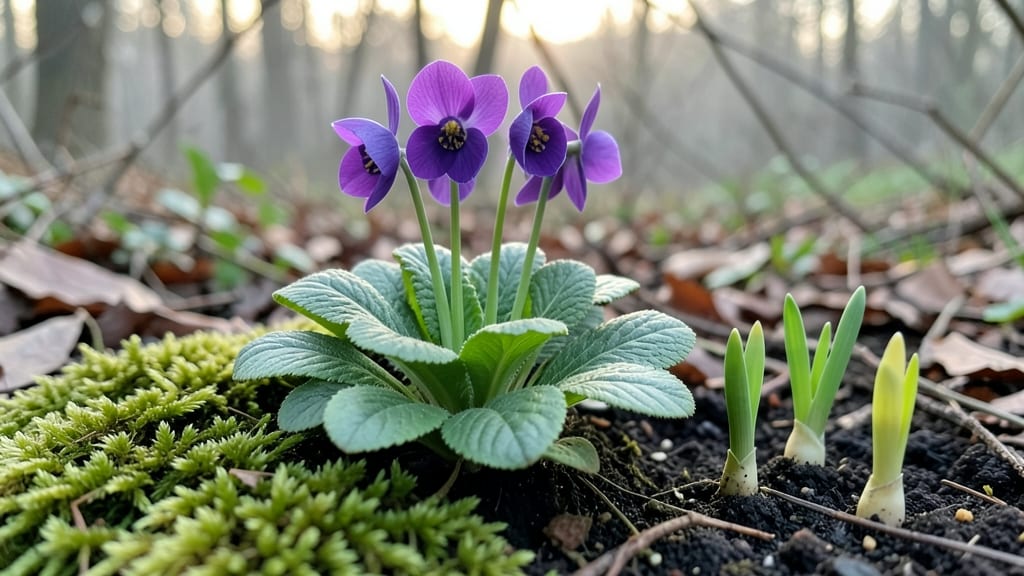
An Irish spring garden thrives when you work with—not against—the weather. 🌿 I’ve learned that the key isn’t fighting the damp or waiting for perfect sun; it’s choosing the right plants and timing your efforts to match Ireland’s famously unpredictable but forgiving climate.
The result? A garden that stays lush from early blooms to late harvests, with minimal fuss.
Start with hardy perennials like foxgloves and native wildflowers—they bounce back after rain and bloom reliably. For vegetables, sow early peas and broad beans in late February or early March, then follow with lettuce and spinach as temperatures rise.
The soil stays cool longer here, so focus on enriching it with compost before planting anything delicate.
You’ll end up with a garden that feels effortless, where spring’s first blooms appear almost as soon as the rain lets up.
The scent of damp earth after a shower, the sight of fresh greens poking through the soil—it’s the kind of garden that rewards patience and respect for the land. And the best part? Once established, it needs little more than occasional weeding and watering during dry spells.
Works for small allotments, cottage-style borders, or even window boxes. The secret is adapting traditions—like using seaweed for mulch or planting by the moon—to Ireland’s unique growing conditions. Let’s get those seeds in the ground!
📚 In This Guide
- What you need
- Instructions
- Tips and common mistakes
- Wrapping up and next steps
What you need
- ● Soil: 10 bags (40 lb each) of well-draining potting mix (look for peat-free options if sustainable gardening is a priority)
- ● 5 lbs of compost (for nutrient-rich topsoil)
- ● Plants (Native or Hardy Varieties): 3-5 boxwood shrubs (for structure; choose Buxus sempervirens or Buxus microphylla)
- ● 5-7 heather plants (evergreen, drought-tolerant; Calluna vulgaris or Erica species)
- ● 10 Iris bulbs (perennial, spring-blooming; Iris germanica or Iris foetidissima)
- ● 15 ferns (shade-loving; Dryopteris or Matteuccia struthiopteris)
- ○ Optional: Lavender (5 plants; Lavandula angustifolia for fragrance and pollinators)
- ● Hardware & Tools: 1 garden trowel (for digging and planting)
- ● 1 pruning shears (bypass-style for clean cuts)
- ● 1 wheelbarrow (for hauling soil and plants)
- ● 1 garden hose with spray nozzle (or watering can for precision)
- ● 1 measuring tape (to plan spacing)
- ● 1 level (for even planting beds)
- ● Mulch (3-5 bags of cedar chips or pine straw to retain moisture and suppress weeds)
- ● Garden stones or Irish-style cobblestones (for pathways or borders; 20-30 pieces)
- ● Decorative terracotta pots (3-5, for accent plants or herbs like rosemary or thyme)
- ● Slow-release fertilizer (e.g., osmocote or fish emulsion; 1-2 bottles)
- ● Rain gauge (to monitor watering needs)
How to design an Irish spring garden with low-maintenance year-round beauty
Here’s the simple, foolproof approach I’ve used to create vibrant Irish-inspired gardens that stay lush with minimal effort.
🌱 Step 1: Plan Your Color Palette and Plant Placement
Start by sketching a rough layout on paper—no need for perfection. Irish gardens thrive on layered textures and soft colors, so focus on pastel blues, soft greens, and creamy whites for a dreamy effect. I like to place taller plants like foxgloves or delphiniums at the back, medium-height perennials like lavender or catmint in the middle, and low-growing ground covers like creeping thyme or Irish moss in the front. This creates natural depth without requiring constant pruning.
Check your garden’s sunlight patterns first. Most Irish-inspired plants prefer partial shade to full sun, but if your spot gets harsh afternoon sun, opt for shade-tolerant varieties like hostas or ferns. A quick way to test this: Observe where shadows fall at midday for a week—this tells you where to place sun-loving or shade-friendly plants.
☀️ Step 2: Prepare the Soil for Drainage and Nutrients
Irish gardens often sit in damp climates, so well-draining soil is critical to prevent root rot. Amend your existing soil with 2-3 inches of compost and a handful of perlite or coarse sand per square foot to improve airflow. I mix in a slow-release organic fertilizer like bone meal or fish emulsion to give plants a steady nutrient boost without frequent feedings.
Test your soil’s moisture level by digging a 6-inch hole and filling it with water. If it drains completely within 30 minutes, your soil is ready. If not, add more perlite or consider raised beds for better control. The goal is soil that stays moist but never soggy—this keeps roots happy year-round.
🌿 Step 3: Plant Your Core Perennials and Fill in Gaps
For a zero-fuss Irish garden, focus on hardy perennials that return every year with minimal care. Plant 4-6 core species like Irish heather, primroses, or wallflowers as your foundation—they’ll anchor your design. Fill gaps with annuals like pansies or sweet alyssum for bursts of color that last through spring and early summer. I space plants 12-18 inches apart to allow airflow and reduce disease risk.
Water deeply right after planting to settle the soil around roots, then let the plants establish for 1-2 weeks before resuming regular care. Mulch with 2 inches of shredded bark to retain moisture and suppress weeds—this is one of the biggest time-savers in low-maintenance gardens.
✂️ Step 4: Maintain with Seasonal Trims and Deadheading
Irish gardens stay fresh with light seasonal pruning rather than heavy maintenance. In early spring, trim back any dead foliage from perennials but leave seed heads on plants like grasses or echinacea—they add winter interest. Throughout the growing season, deadhead spent blooms (remove faded flowers) to encourage more blooms and keep the garden tidy. I do this every 2-3 weeks during peak bloom.
Fertilize once in early spring with a balanced organic fertilizer and again in midsummer if plants look tired. Over-fertilizing leads to lush foliage but fewer flowers, so stick to the low-and-slow approach. Water deeply once a week in dry spells, but most Irish perennials tolerate drought once established.
🪴 Step 5: Add Accents for Texture and Year-Round Interest
No Irish garden is complete without textural elements like stone borders, wooden trellises, or even a small stone bench. I use local field stones to edge beds—they blend naturally and require zero maintenance. Add evergreen shrubs like boxwood or holly for winter structure, and ornamental grasses for movement in the breeze. These accents keep your garden looking intentional with almost no effort.
Finally, incorporate scented plants like lavender, rosemary, or jasmine for a sensory experience. Place them near seating areas or walkways so you can enjoy their fragrance year-round. The key is to layer plants by height, color, and texture—this creates visual interest without requiring constant updates.
Tips & tricks for perfect Irish spring gardens
Here's what I've learned after creating these dreamy gardens that practically take care of themselves—once you set them up right.
Layering is Everything: In Step 1, when you're planning your layout, think of it like a painting—background, midground, and foreground. The 12-18 inch spacing between plants creates that magical layered look while preventing overcrowding. I always place my tallest plants (like foxgloves) at the back, then medium-height perennials (lavender, catmint) in the middle, and finally the low-growing ground covers (creeping thyme, Irish moss) in front. This creates depth without requiring constant pruning.
Soil Test Trick: That 30-minute drainage test in Step 2 is your secret weapon. If your soil doesn't drain properly, don't just add more perlite—consider raised beds. I've seen gardens transform completely after switching to raised beds with that perfect mix of compost and perlite. The key is keeping roots happy without waterlogging, which is especially important for Irish gardens that often sit in damp climates.
Establishment Period Matters: The 1-2 week establishment period after planting in Step 3 is crucial. During this time, focus on keeping the soil consistently moist but not soggy. I like to use a soaker hose on a timer for this—it delivers water right to the roots without disturbing the plants. This period is when roots really get established, making your garden much more resilient once it's fully grown.
Seasonal Maintenance Shortcuts: For the 2-3 week deadheading schedule in Step 4, I've found that using clean, sharp pruners makes this task quick and satisfying. I also recommend doing this task on a dry morning when blooms are fully open—it's easier to spot what needs removing. And here's a pro tip: save those spent blooms in a paper bag and add them to your compost pile later. The nutrients will come back to your garden!
Pro Tips for Irish Spring Garden
- Here's what I've learned after creating these dreamy gardens that practically take care of themselves—once you set them up right.
- Layering is Everything: In Step 1, when you're planning your layout, think of it like a painting—background, midground, and foreground.
- Soil Test Trick: That 30-minute drainage test in Step 2 is your secret weapon.
Frequently asked questions
Got questions about creating your own Irish Spring Garden? You’re not alone! Here are some of the most common queries—and their easy, no-fuss answers—to help you get started (or troubleshoot) with confidence.
What’s the best time of year to plant an Irish Spring Garden?
The ideal time is early spring (March–April in most U.S. zones) when soil is workable but frost risk has passed. For year-round freshness, stagger plantings every 2–3 weeks—this ensures a continuous harvest! If you’re in a warmer climate, late summer/early fall works too. Pro tip: Use a cold frame or row covers to extend the season in cooler areas.
How much water does an Irish Spring Garden need daily?
Consistency is key! Water deeply 1–2 times daily (morning and late afternoon) for the first 2 weeks to establish roots. After that, 1–1.5 inches per week (including rain) keeps herbs thriving. Use a drip irrigation system or soaker hose to avoid wetting leaves ( fungus risk!). Mulch with straw to retain moisture.
Can I grow an Irish Spring Garden in containers or just in-ground?
Containers are perfect for small spaces or renters—just ensure pots have drainage holes and are at least 6–12 inches deep. Mix potting soil with compost (50/50) for optimal growth. For in-ground, raised beds work great too—just avoid soggy soil. Bonus: Move containers indoors (near a sunny window) in winter for herbs like parsley or thyme!
What’s the fastest way to fix pests like aphids or caterpillars?
Start with prevention: Plant marigolds or basil nearby to repel pests. For aphids, spray with a soapy water solution (1 tsp mild soap + 1 quart water). Caterpillars? Handpick them (gross but effective!) or introduce beneficial nematodes. Avoid chemicals—they can harm your herbs’ delicate flavors. Act fast! Tiny issues grow big quickly.
How do I protect my garden during winter?
Hardy herbs like rosemary, sage, and thyme survive light frosts, but tender plants need help. Cover with row fabric or burlap before temps drop below 25°F. For containers, wrap them in bubble wrap and move to a sheltered spot. Harvest before frost for herbs like cilantro or dill—they bolt (go to seed) in cold weather. Pro tip: Use a greenhouse tent for a mini winter garden!
Wrapping up and next steps
Creating an Irish Spring Garden is all about embracing nature’s simplicity while enjoying year-round freshness with minimal effort. Whether you’re planting vibrant flowers, lush herbs, or fragrant shrubs, the key is choosing the right plants for your climate and giving them a little love—no fuss required! 🌿
Now that you’re armed with the best materials and answers to common questions, it’s time to roll up your sleeves and get growing. Start small—pick one corner of your yard or a cozy windowsill—and let your green thumb shine.
Before you know it, you’ll have a thriving garden that brings joy (and fresh air!) to your home every season.
Next step: Grab your tools, sketch a simple layout, and plant with confidence—your Irish Spring Garden is just a few seeds away! 🌱