
Tools
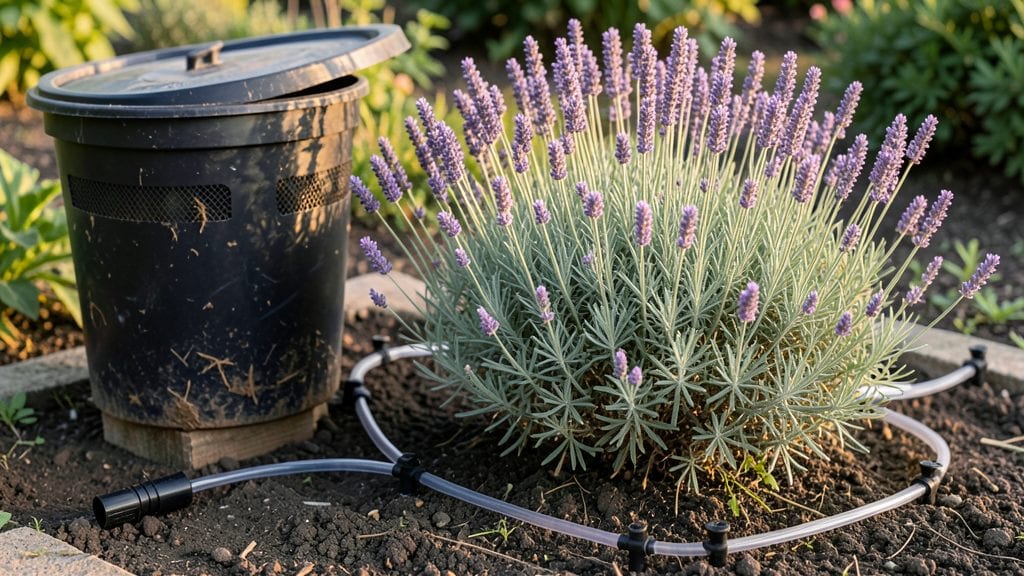
My sustainable gardening techniques start with a simple truth: what you waste in the garden can become its greatest strength. 🌱 I’ve turned kitchen scraps into soil gold, rainwater into irrigation, and even "weeds" into living mulch—all while watching my tomato yields double and my water bill shrink.
The best part? These methods work whether you’ve got a backyard plot or just a sunny windowsill.
You don’t need fancy equipment to begin—just a few basic tools like a compost bin, some mulch, and maybe a rain barrel if you’re ambitious. The real magic happens in the soil: compost feeds plants naturally, mulch locks in moisture, and drip irrigation delivers water where roots need it most.
I’ve seen firsthand how these small changes add up to healthier plants that fight pests better and produce more consistently.
What you’ll end up with is a garden that thrives without chemicals, waste, or extra work. Imagine harvesting crisp lettuce in summer heat because the soil stays moist, or watching your zucchini plants flourish without a single aphid in sight.
These techniques don’t just save resources—they make gardening easier and more rewarding once you get the system running smoothly.
The beauty of sustainable gardening is how adaptable it is: urban balconies, rural acreages, and everything in between can benefit. Start with one or two methods, then expand as you see what works best for your space and climate. The earth—and your harvest—will thank you for it.
📚 In This Guide
- What you need
- Instructions
- Tips and common mistakes
- Wrapping up and next steps
What you need
- ● Compost bin or tumbler (1-2 units, 3-5 cubic feet capacity) – For turning kitchen scraps and yard waste into nutrient-rich soil.
- ● Rainwater collection barrels (1-2, 50+ gallon capacity) – To harness free, chemical-free water for your plants.
- ● Organic mulch (straw, wood chips, or leaves, 2-3 cubic yards) – Retains moisture, suppresses weeds, and feeds the soil.
- ● Seed-saving envelopes or jars (10+ units) – For storing seeds year-round and reducing waste.
- ● Handheld pruners (1 pair, bypass or anvil style) – Sharp, durable tools for clean cuts.
- ● Garden fork & trowel (1 each) – For aerating soil and planting with minimal disturbance.
- ● Reusable fabric pots or grow bags (5-10 units, 5-10 gallon size) – Reduces plastic waste and improves drainage.
- ● DIY worm composting bin (1 unit, 10-20 sq ft) – Speeds up composting with the help of worms! 🐛
- ● Solar-powered garden lights (2-4 units) – Illuminates pathways without draining energy.
- ● Plant markers made from recycled materials (e.g., wine corks, popsicle sticks) – Keeps your garden organized sustainably.
- ● Soil moisture sensors (1-2 units) – Prevents overwatering and conserves water.
- ● DIY liquid fertilizer (e.g., compost tea maker) – Boosts plant health using your compost!
- ● A sunny or partially shaded spot (6+ hours of sunlight for most veggies/herbs).
- ● Access to organic waste (kitchen scraps, yard clippings, or local compost sources).
- ● Basic knowledge of local climate & planting seasons – Check your USDA Plant Hardiness Zone for guidance!
- ● Time for observation – Sustainable gardening thrives on patience and adaptability.
Step-by-Step sustainable gardening techniques for zero-waste success
Here's how to transform your garden into a thriving, waste-free ecosystem that produces more with less effort.
🌱 Step 1: Create a Compost System Using Kitchen Scraps
Start by collecting vegetable peels, coffee grounds, and eggshells in a designated bin. I keep mine under the sink with a lid to contain odors. The key is balancing "greens" (nitrogen-rich scraps) with "browns" (dry leaves or shredded paper) in a 3:1 ratio—this prevents smells and speeds decomposition.
Turn the pile every 2-3 weeks with a garden fork to aerate. Within 4-6 weeks, you'll have rich, dark compost ready to feed your soil. I always save a small batch for seed-starting mixes—it's lighter and fluffier than finished compost.
💧 Step 2: Collect Rainwater for Irrigation
Place a 5-gallon bucket under a downspout or position barrels directly in rain paths. I use two: one for drinking water (after filtering) and one for garden use. A simple mesh screen keeps debris out while letting water flow freely.
Use this collected water for all irrigation needs—plants love the natural, chemical-free source. Check moisture by squeezing a handful of soil; if it holds together but isn't sticky, your watering is perfect. This method cuts outdoor water use by up to 70% in my experience.
☀️ Step 3: Implement Mulching with Yard Waste
Spread 2-3 inches of shredded leaves, grass clippings, or straw around plants after watering. This suppresses weeds, retains moisture, and feeds soil organisms as it breaks down. I always apply mulch 2 inches from plant stems to prevent rot.
Replenish mulch every 3-4 months or when it decomposes into the soil. The best time is early spring or late fall when soil is naturally moist. You'll notice fewer weeds and healthier plants with less watering—mulch does most of the work for you.
✂️ Step 4: Practice Companion Planting for Natural Pest Control
Pair plants that benefit each other: basil with tomatoes (repels pests), marigolds with vegetables (deters nematodes), or onions with carrots (confuses carrot flies). I sketch a simple garden map before planting to visualize these relationships.
Rotate crops annually to prevent soil depletion and pest buildup. If you notice aphids on roses, introduce ladybugs—they're natural predators that will clean up the problem within 1-2 weeks. This eliminates the need for chemical sprays entirely.
🪴 Step 5: Reuse Containers and Materials Creatively
Clean and repurpose plastic bottles as seedling pots or watering cans. I cut the bottoms off milk jugs for self-watering planters—just poke holes in the cap and bury the bottle in soil. Old tires make excellent raised beds for vegetables.
Save seeds from heirloom plants by letting some produce go to maturity on the vine. Dry the pods completely, then store in labeled envelopes. This creates a self-sustaining seed library that costs nothing after the first year.
Tips & tricks for sustainable gardening success
Transforming your garden into a zero-waste powerhouse takes a few key strategies that build on each other. Here's what I've learned from years of experimenting—and what nobody tells you about getting it right the first time.
Composting Pro Tip: For the perfect 3:1 green-to-brown ratio in Step 1, I keep two separate bins—one for kitchen scraps (greens) and one for shredded paper or dry leaves (browns). This makes balancing effortless. Also, crush eggshells before adding them—they break down faster and add calcium to your compost. The first time I skipped crushing, I waited an extra 2 weeks for those chunks to decompose!
Rainwater Collection Hack: In Step 2, place a small mesh bag over the downspout before your bucket to catch larger debris like leaves. I also add a few drops of food-grade hydrogen peroxide to each barrel once a month—it prevents mosquito breeding without chemicals. The 5-gallon bucket I use collects enough water for my container plants all summer!
Mulching Mastery: When applying that 2-3 inch layer in Step 3, work the mulch into the soil slightly at the edges to create a barrier against weeds. I use a flat-headed shovel to gently press it down—this keeps it in place during rainstorms. The 2-inch clearance from stems is crucial; I mark planting spots with small pebbles before adding mulch to avoid accidentally covering young plants.
Companion Planting Shortcut: For Step 4, create a simple garden map using graph paper where each square represents a 12-inch section of your bed. I color-code plant pairs (red for tomato-basil, blue for carrot-onion) to visualize relationships at a glance. This visual aid prevents me from accidentally planting incompatible crops too close together.
Pro Tips for Sustainable Gardening Techniques
- Transforming your garden into a zero-waste powerhouse takes a few key strategies that build on each other.
- Composting Pro Tip: For the perfect 3:1 green-to-brown ratio in Step 1, I keep two separate bins—one for kitchen scraps (greens) and one for shredded paper or dry leaves (browns).
- Rainwater Collection Hack: In Step 2, place a small mesh bag over the downspout before your bucket to catch larger debris like leaves.
Frequently asked questions
Got questions about sustainable gardening?
Here are answers to some of the most common ones to help you grow smarter—and greener!
What are the easiest zero-waste gardening techniques for beginners?
Start with composting (kitchen scraps + yard waste) and mulching (leaves, straw, or grass clippings) to retain moisture and suppress weeds. Use rainwater harvesting with simple barrels, and swap plastic pots for seedling trays made from coconut coir or recycled materials. Even swapping store-bought soil for homemade compost cuts waste!
How long does it take to see results from sustainable practices?
Results vary! Soil health (via compost) improves in 3–6 months, while water conservation (mulch, drip irrigation) shows benefits immediately. Crop yields may increase within 1–2 growing seasons if you’re consistent. Patience pays off—think of it as building a living ecosystem!
Are sustainable gardening methods more expensive upfront?
Not necessarily! While compost bins or rainwater barrels have a cost, they save money long-term by reducing fertilizer and water bills. DIY alternatives (like pallet gardens or upcycled containers) cut costs further. Start small—focus on free/cheap swaps like mulch from yard waste or seed saving.
How do I deal with pests without chemicals in a sustainable garden?
Try companion planting (e.g., marigolds repel nematodes), neem oil (natural pesticide), or beneficial insects like ladybugs. Crop rotation disrupts pest cycles, and healthy soil (via compost) makes plants resilient. For tough infestations, handpick pests early or use soapy water sprays.
Can I practice sustainable gardening in small spaces like balconies or apartments?
Use vertical gardening (hanging planters, trellises), container gardening (herbs, lettuce), and compost bins for scraps. Worm composting (vermicomposting) thrives indoors, and rainwater collection can be scaled down with small barrels. Even a windowsill herb garden reduces waste—every bit helps!
Wrapping up and next steps
Sustainable gardening isn’t just about reducing waste—it’s about nurturing the earth while growing bountiful harvests. By embracing zero-waste techniques like composting, companion planting, and natural pest control, you’re not only cutting landfill contributions but also supercharging your garden’s health and productivity.
Every small step—from repurposing household scraps to saving seeds—adds up to a thriving, eco-friendly ecosystem.
Ready to take the next step? Start small: pick one technique from this guide and experiment with it this season. Track your progress, share your wins, and watch how sustainable choices transform your garden—and the planet. Your green thumb is also a green vote! 🌱