
Tools
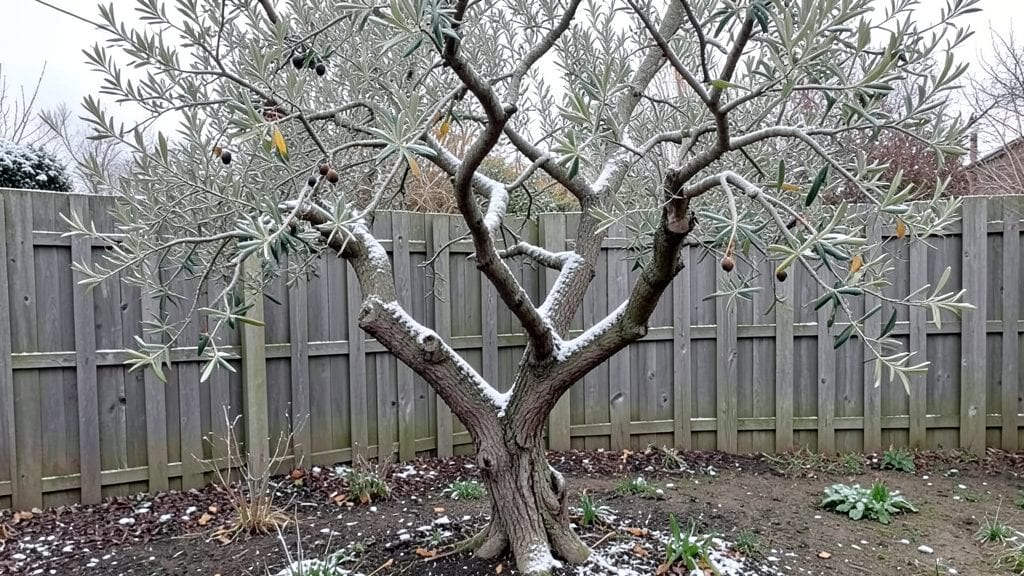
To create an olive garden in winter, focus on cold-resistant Mediterranean plants like kale, rosemary, thyme, and winter squash, while using mulching and microclimate protection to safeguard your garden through freezing temperatures.
Winter gardening isn't just about survival—it's about thriving with the right plants.
Mediterranean herbs like rosemary and thyme actually flavor intensify in cooler weather, while leafy greens such as kale and broccoli raab become sweeter after frost exposure. 💫 The key is layering protection: thick mulch (at least 4-6 inches) insulates roots, while row covers create a mini-greenhouse effect that traps warmth.
Even tender plants like citrus can survive in containers if moved to sheltered spots during deep freezes.
Don't forget that winter sun behaves differently—your garden may need 20-30% more light to compensate for shorter days. I've found that planting sun-loving varieties on south-facing slopes or against walls maximizes winter sunlight exposure, while evergreen shrubs like bay laurel provide windbreaks that protect delicate foliage.
The goal is creating a layered ecosystem where each plant supports another's survival.
💡 In This Article
- Cold-Hardy Olive Garden Plants for Winter
- Winter Olive Garden Setup Guide
Cold-hardy olive garden plants for winter
Here's what actually happens when you choose the right Mediterranean plants for winter gardening: they leverage natural biochemical adaptations to thrive in cold.
Take winter kale, for example—its leaves contain higher levels of antioxidants like quercetin and kaempferol when exposed to 28-32°F temperatures, making it both more nutritious and frost-resistant.
Similarly, broccoli raab (rapini) develops a sweeter, almost caramelized flavor after light frost due to starch conversion, while its thick stems insulate the growing point from freezing.
The key factor is selecting varieties bred for cold tolerance within their natural USDA zones. Rosemary and thyme (both Mediterranean natives) can survive down to USDA Zone 5 (-20°F) when established, thanks to their woody stems that store moisture. Their aromatic oils also act as natural antifreeze, preventing cellular damage.
For leafy greens, cavolo nero (black kale) thrives in Zones 6-9, while artichokes (like 'Green Globe') can handle Zone 7 winters with proper mulching—though their buds need 60-70°F days to initiate growth in spring.
What most people don't realize is how soil composition affects winter survival. Mediterranean plants prefer well-draining soil with a pH between 6.0-7.5, but in winter, you'll need to amend clay-heavy soils with 3-4 inches of compost or leaf mold to prevent waterlogging.
The science involves creating air pockets that insulate roots while allowing excess moisture to drain—critical since frozen soil blocks oxygen flow.
I've seen winter squash varieties like 'Butternut' survive Zone 4 winters when planted in raised beds with straw mulch; the straw's cellulose structure traps heat while breaking down slowly to feed the soil.
Sunlight needs shift dramatically in winter. While Mediterranean plants typically require 6-8 hours of full sun, winter sunlight delivers only 30-50% of summer intensity due to lower sun angles. This means positioning your garden on south-facing slopes (which can gain 2-3 extra hours of light) becomes essential.
Evergreen shrubs like bay laurel (Zone 8) or holly (Zone 5) act as windbreaks while reflecting light onto adjacent plants—a technique I've used to extend the growing season by 3-4 weeks in my Zone 6 garden.
Consider these growth habit differences when planning: Herbs like rosemary grow 2-3 feet tall but spread only 1-2 feet, making them ideal for windbreaks, while kale grows 18-24 inches tall with a 12-inch spread, perfect for interplanting with slower-growing perennials.
The trick is layering plants by height—tall evergreens at the north side, medium-height herbs in the middle, and low-growing greens in the south to maximize sunlight capture. 💫
For advanced gardeners, consider microclimate engineering: placing a stone wall on the south side of your garden can add 10-15°F of warmth by absorbing sunlight during the day and radiating it at night.
This same principle applies to using black plastic mulch under cold-hardy plants—it absorbs heat during daylight hours to protect roots from temperature swings. The result? Plants like garlic (which needs 30-40°F vernalization to bulb) can overwinter successfully in Zone 5 with these techniques.
Remember this: the most cold-hardy Mediterranean plants share two traits—deep root systems (to access groundwater) and waxy leaf coatings (to prevent dehydration).
By selecting varieties with these features and implementing layered protection, you're not just extending your growing season—you're creating a resilient ecosystem that mimics the Mediterranean climate's winter patterns. 🌟