
Light Requirements
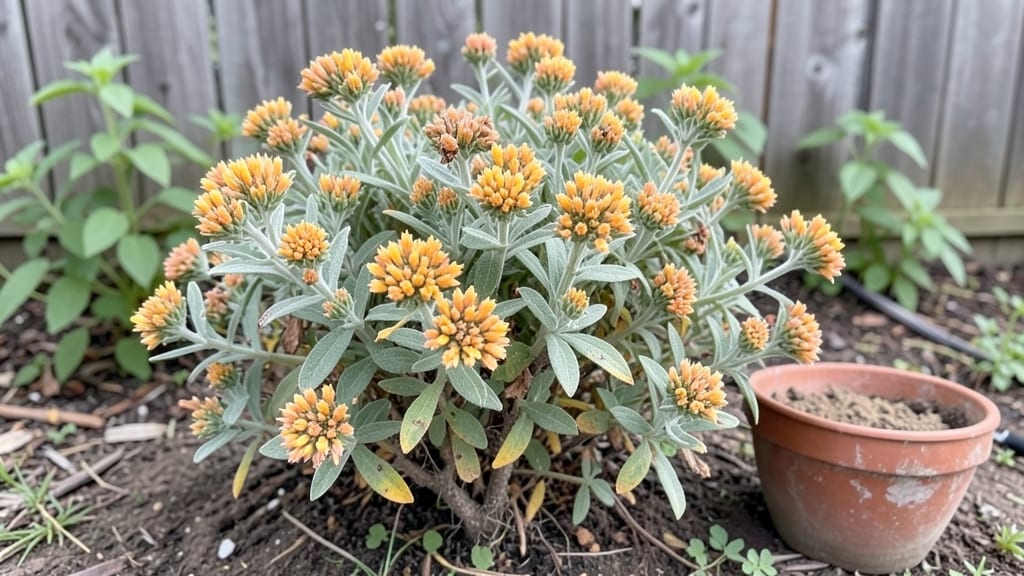
Container gardening for full sun isn’t just possible—it’s where some plants absolutely thrive. 🌿 I’ve seen sun-scorched herbs recover after just one afternoon in the right pot, and my pepper plants now produce more in containers than my neighbors do in their in-ground beds.
The key isn’t avoiding the sun—it’s working with it.
You’ll need containers with drainage holes (terracotta or fabric pots work best), a lightweight potting mix that dries quickly, and plants that crave heat—think tomatoes, peppers, lavender, or zinnias.
Overwatering is the real enemy here; let the top inch of soil dry out between waterings, and mulch with straw to keep roots cool. Even in 100-degree heat, these plants stay happy.
By summer’s end, you’ll have a burst of color and flavor that outshines any shade garden. The secret? Matching the right plant to the right pot, then letting the sun do the work.
No wilting, no stress—just bold, sun-kissed growth that turns heads at your front door. Let’s pick your perfect combo.
Works for balconies, patios, or even sunny windowsills—no yard required. We’ll cover heat-resistant varieties, container sizes, and how to keep roots from baking in the midday glare. Ready to grow under the brightest skies?
📚 In This Guide
- What you need
- Instructions
- Tips and common mistakes
- Wrapping up and next steps
What you need
- ● Containers: 1–5+ containers (depending on plant quantity), with drainage holes
- ● Size: Minimum 12 inches deep and wide for most plants (larger for shrubs/trees)
- ● Material: Terracotta, plastic, or fabric (e.g., grow bags)
- ● Potting Mix: 1–3 bags (2–3 cubic feet per container), lightweight and well-draining
- ○ Optional: Add perlite or vermiculite (10–20%) for extra aeration
- ● Drainage Layer: Small pebbles, gravel, or broken pottery (1–2 inches per container)
- ● Plants: Full-sun thrivers: Succulents, lavender, rosemary, peppers, tomatoes, or sunflowers
- ● Check tags for sunlight requirements (6+ hours of direct sun)
- ● Tools: Trowel or small shovel
- ○ Gloves (optional but recommended)
- ● Watering can or hose with nozzle
- ● Pruners (for trimming)
- ● Slow-release fertilizer (e.g., Osmocote)
- ● Mulch (e.g., gravel or straw to retain moisture)
- ● Container saucers (to catch runoff)
- ● Self-watering system (for busy gardeners!)
- ● Plant labels (to track varieties)
Step-by-Step instructions for thriving full-sun container gardens
Here’s how to turn your sunniest spot into a vibrant container garden that thrives—no wilting in sight!
🪴 Step 1: Select the Right Containers and Drainage
Start with containers that have multiple drainage holes—full-sun plants despise soggy roots. I love terra cotta pots because they breathe and wick away excess moisture, but any container with holes works. If yours lacks drainage, drill ¼-inch holes in the bottom and line with landscape fabric to prevent soil loss.
Size matters too: aim for at least 12-inch diameter pots for most full-sun plants, like tomatoes or peppers, to give roots room to stretch. Smaller pots (6-8 inches) work for herbs or compact varieties like dwarf sunflowers. Place a 1-inch layer of gravel or broken pottery at the bottom to improve drainage further—this prevents clogging and keeps roots happy.
🌱 Step 2: Use Fast-Draining, Nutrient-Rich Soil
Skip garden soil—it compacts and bakes in full sun. Instead, blend high-quality potting mix with 20% perlite or coarse sand to boost drainage. I add a slow-release fertilizer (like 10-10-10) to the mix—this feeds plants steadily without burning roots. Fill containers ¾ full, leaving room for roots to grow into the soil.
Press the soil lightly to remove air pockets, but don’t compact it. You want it loose enough for water to penetrate easily. A good test: squeeze a handful—it should hold together but crumble when prodded. This ensures moisture moves through the pot without pooling.
☀️ Step 3: Choose Sun-Loving Plants and Position Strategically
Pick heat-tolerant varieties like black-eyed Susans, zinnias, or heat-resistant tomatoes. Avoid moisture-lovers (like ferns) unless you’re willing to water daily. Arrange containers so they get 6+ hours of direct sun, ideally south or west-facing. If your space is intense midday sun, opt for light-colored pots—they reflect heat and protect roots.
Group containers close together to create a microclimate that retains moisture and moderates temperature swings. I like to place larger pots first, then fill gaps with smaller ones. This mimics a garden bed’s natural structure and reduces edge effects (where plants dry out faster).
💧 Step 4: Water Deeply and Mulch to Retain Moisture
Water early in the morning to let foliage dry before evening—this prevents fungal issues. Soak containers until water drains freely from the bottom, then let excess drain away. Most full-sun plants need 1-2 inches of water weekly, but check soil depth: stick your finger 2 inches down—if it’s dry, water again.
Top with 1-2 inches of mulch (like straw or shredded bark) to slow evaporation. Mulch also keeps roots cooler in scorching heat. Avoid piling mulch against stems—leave a 1-inch gap to prevent rot. This simple step cuts watering by 30-50% while keeping plants lush.
✂️ Step 5: Prune and Feed for Continuous Blooms
Deadhead spent blooms weekly—this encourages more flowers and prevents leggy growth. For tomatoes or peppers, pinch off suckers (the shoots in the leaf axils) to focus energy on fruit. I also prune lower leaves to improve airflow and reduce disease risk. Use clean, sharp scissors to avoid tearing plant tissue.
Feed plants every 4-6 weeks with a balanced liquid fertilizer (like 20-20-20). Full-sun containers deplete nutrients faster than ground beds, so don’t skimp. Look for dark green leaves and vigorous growth—that’s your cue everything’s thriving. If leaves yellow, it’s time to feed again!
Tips & tricks for perfect full-sun container gardens
Here’s what I’ve learned from years of trial-and-error to keep your sun-loving containers thriving without the stress of wilting or burnout.
Container Material Matters: Terra cotta pots are my top pick for full-sun gardens because they wick away excess moisture and breathe—critical for preventing root rot in intense heat. If you’re using plastic or metal containers, add an extra 1-inch layer of gravel at the bottom to improve drainage. Pro tip: Group containers together to create a microclimate that retains moisture longer, especially in blazing afternoon sun. This simple arrangement can cut watering needs by up to 40%!
Soil Texture is Non-Negotiable: The 20% perlite or coarse sand mix in Step 2 is your secret weapon against compacted soil. I’ve ruined multiple containers by skipping this step—plants wilted within days because water couldn’t penetrate. Test your soil mix by squeezing a handful: it should hold together but crumble when poked. If it sticks like clay, add more perlite. For extra heat resistance, mix in a handful of coconut coir to improve moisture retention during heatwaves.
Heat-Resistant Plant Placement: In Step 3, pay special attention to your containers’ positioning. South-facing spots get the most intense afternoon sun, so opt for light-colored pots (white or light gray) to reflect heat away from roots. I’ve seen dark-colored containers cook roots in as little as two hours on 90°F+ days. For extra protection, elevate containers on pot feet or bricks to improve airflow underneath—this prevents heat buildup at the soil level.
Pruning Like a Pro: The weekly deadheading in Step 5 isn’t just about looks—it’s a growth hack. When you remove spent blooms, you’re redirecting the plant’s energy toward producing more flowers instead of seeds. For tomatoes and peppers, pinch off suckers (those little shoots in the leaf axils) to focus energy on fruit production. Use clean, sharp scissors and always cut at a 45-degree angle to prevent tearing plant tissue, which invites disease.
Pro Tips for Container Gardening For Full Sun
- Here’s what I’ve learned from years of trial-and-error to keep your sun-loving containers thriving without the stress of wilting or burnout.
- Container Material Matters: Terra cotta pots are my top pick for full-sun gardens because they wick away excess moisture and breathe—critical for preventing root rot in intense heat.
- Soil Texture is Non-Negotiable: The 20% perlite or coarse sand mix in Step 2 is your secret weapon against compacted soil.
Frequently asked questions
What plants thrive best in full-sun containers?
Go for sun-loving stars like succulents (e.g., sedum or echeveria), herbs (basil, rosemary, thyme), flowers (geraniums, marigolds, zinnias), and veggies (peppers, tomatoes, eggplant). Avoid moisture-retentive plants like ferns or hostas—they’ll wilt fast!
How often should I water containers in full sun?
Check soil daily in peak summer heat—containers dry out fast. Water deeply in the morning (1–2 inches per week), and use self-watering pots or mulch (like pebbles or straw) to retain moisture. Pro tip: Stick your finger 1 inch into the soil; if it’s dry, it’s time!
Why do my container plants look scorched or wilted?
Sunburn or wilting usually means overheating or underwatering. Move pots to partial shade temporarily, add shade cloth (30–50% coverage), or swap out lightweight containers for terracotta or fabric grow bags (they insulate roots better). Bonus: Drip irrigation keeps roots cool!
Can I reuse old containers or pots?
Clean them thoroughly (scrub with soapy water, disinfect with bleach or vinegar), drill drainage holes if missing, and line with landscape fabric to block soil loss. Just avoid plastic without holes—it traps heat and roots rot. Fun hack: Upcycle buckets, bathtubs, or even old boots!
What’s the best soil mix for full-sun containers?
Use a fast-draining blend: Start with 60% potting mix, add 30% perlite or pumice (for aeration), and 10% compost (for nutrients). Avoid garden soil—it compacts and bakes roots. For succulents, mix in sand or grit to prevent rot.
Wrapping up and next steps
Container gardening in full sun is all about strategic choices—selecting the right plants, containers, and care routines to thrive under the brightest conditions. With the perfect setup, you’ll enjoy vibrant blooms, bountiful herbs, and lush greenery without the stress of scorched leaves or wilting plants. 🌞✨
Ready to dive in? Start small—pick one or two sun-loving plants and experiment with containers. Once you’ve mastered the basics, expand your garden, mix textures, and let your creativity bloom! Check out our next-step guide for planting tips and maintenance hacks.