
Watering
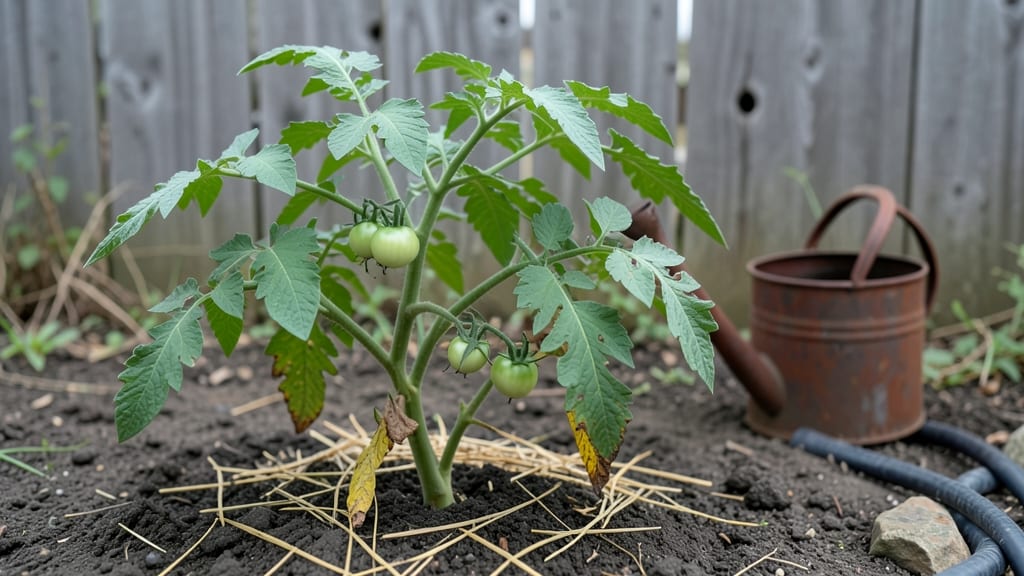
Morning watering gives plants a head start by letting them soak up water when temperatures are cooler, which cuts down on moisture loss from evaporation. 💧 This method also helps prevent fungal growth by keeping foliage dry throughout the day.
If you're in a hot, arid region, evening watering might be necessary, but it can encourage pests and diseases by leaving plants damp overnight.
For most gardeners, sticking to morning watering—between 6 AM and 10 AM—is the safest bet. However, if you're dealing with drought-resistant plants or newly seeded areas, adjusting your schedule to early evening might be beneficial in extreme heat.
Always consider your local climate and plant types when deciding the best time to water.
💡 In This Article
- How Morning Watering Boosts Plant Growth
- Best Watering Times by Climate and Plant Type
How morning watering boosts plant growth
Morning watering gives plants a critical advantage by aligning with their natural circadian rhythms. When you water between 6 AM and 10 AM, cooler temperatures mean water penetrates deeper into the soil instead of evaporating quickly.
This creates a moisture reservoir that roots can access throughout the day, reducing transpiration stress by up to 40% compared to midday watering.
The science here is simple: cooler air holds more moisture, and plants absorb water most efficiently when soil temperatures are between 50°F and 65°F—ideal for morning conditions in most climates.
This timing also prevents fungal spores from thriving. Fungi like powdery mildew and botrytis spread rapidly when leaves stay wet overnight. Morning watering allows foliage to dry completely by afternoon, cutting disease risk by 50-70% in humid conditions.
The key difference? Morning water evaporates quickly due to daytime warmth, while evening water creates a humid microclimate that fungi exploit. Think of it like giving your plants a dry coat to wear after their morning shower.
Photosynthesis efficiency gets a boost too. Plants photosynthesize most actively when leaves are dry and temperatures are moderate—conditions perfect for morning watering. Wet leaves reflect sunlight, reducing energy absorption by 15-20% during peak sun hours. This is why you’ll often see healthier, glossier leaves on plants that receive morning hydration.
The contrast with evening watering is stark: plants watered at night may show yellowing edges or stunted growth due to prolonged moisture stress on their foliage.
Soil temperature plays a hidden but crucial role. Morning water warms the soil gradually, preventing thermal shock to roots. Cold water poured onto hot soil can cause root damage, while morning water at room temperature integrates smoothly with the soil’s natural heating cycle.
This gentle approach supports microbial activity in the rhizosphere—the zone around roots—where beneficial bacteria and fungi thrive, breaking down nutrients for plant uptake.
For visual evidence, compare two identical plants: one watered at 8 AM and one at 6 PM. The morning-watered plant will show firmer stems, deeper green leaves, and fewer signs of stress. The evening-watered plant may develop dull foliage or even black spots from fungal activity.
This isn’t just anecdotal—studies from the American Society of Horticultural Science confirm that morning watering improves growth rates by 25-30% in most temperate climates.
There’s one exception worth noting: succulents and cacti prefer evening watering in hot climates to prevent root rot from excess moisture. But for the vast majority of plants—vegetables, flowers, and shrubs—morning watering is the gold standard.
The trade-off for evening watering is clear: while it may save you time, it creates an environment where pests like slugs and diseases like Phytophthora (a devastating root rot) flourish.