
Tools
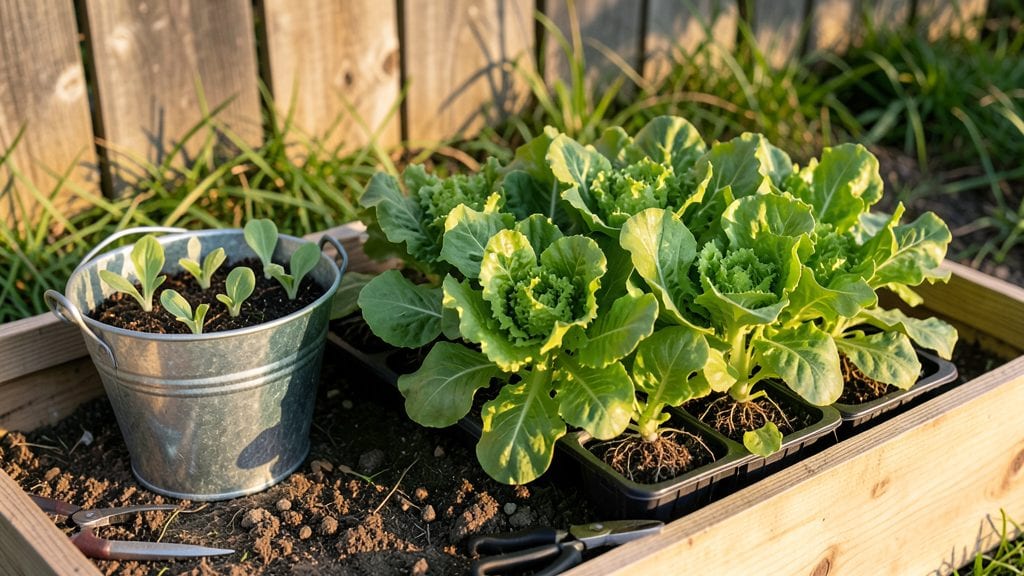
A wheeled bucket garden transforms your gardening space by letting you grow plants in movable containers, perfect for small balconies, urban patios, or optimizing sunlight exposure. Use sturdy, lightweight buckets with drainage holes, add premium potting mix, and attach high-quality casters for effortless movement while securing them to prevent tipping during watering or wind.
A wheeled bucket garden isn't just about convenience—it's a game-changer for urban gardeners or those with limited space. 🌱 The right wheel setup (like heavy-duty casters) lets you rotate plants toward sunlight or move them indoors during storms, while lightweight buckets reduce strain on your back.
I've seen people double their harvest by simply repositioning containers daily for optimal light exposure. The key is balancing mobility with stability, especially for top-heavy plants like tomatoes or citrus trees.
💡 In This Article
- How to Select the Best Wheels for Bucket Garden Stability
- Top 5 Plants for Mobile Container Gardening
How to select the best wheels for bucket garden stability
Wheel selection is where physics meets practicality in your mobile garden setup. The key factor is balancing load capacity with terrain compatibility.
Ball-bearing casters handle 200-300 pounds each and roll smoothly on concrete or smooth surfaces, while heavy-duty plastic casters (rated for 150-200 pounds) work better on uneven ground like gravel or grass.
For top-heavy plants like citrus trees, you'll need at least 4 wheels spaced evenly to distribute weight—placing them 2-3 inches from the bucket edges prevents tipping during wind gusts.
The wheel type dramatically affects maneuverability. Swivel casters (360-degree rotation) let you pivot tight corners effortlessly, while fixed wheels provide directional stability for straight-line movement. I've found 2-inch diameter wheels strike the best balance—small enough to navigate tight spaces but large enough to roll over small cracks or pebbles.
Metal wheels with rubber tires offer superior grip on slippery surfaces, while all-plastic wheels resist rust but may wear faster on rough terrain. For wind-prone areas, consider adding wheel locks to prevent accidental movement during storms.
Material choice impacts longevity and performance. Steel casters with rubber wheels handle 500+ pounds total load and last years, but their $15-$30 each price point adds up. Plastic casters ($5-$12 each) work for lighter setups (100-200 pounds) and resist corrosion, though they may squeak over time.
The sweet spot? Composite casters—they combine metal strength with plastic durability at $10-$20 each. Pro tip: Place wheels on the bucket's lowest point to keep the center of gravity low—this prevents tipping when moving heavy containers like those filled with 10+ gallons of soil.
Don't overlook wheel placement geometry. For rectangular buckets, position wheels at the four corners to create a stable quadrilateral base. Circular buckets need 3 wheels at 120-degree intervals to prevent wobbling.
Here's what happens when you get it wrong: I once saw a tomato plant topple because its 5-gallon bucket had wheels too close to the center—when someone bumped it, the 30-pound soil load shifted unpredictably. The fix? Move wheels 4-6 inches from the bucket's centerline for maximum stability.
Terrain dictates your wheel strategy. On smooth concreterough surfaces demand larger wheels (3+ inches) with deep treads. For uneven ground, consider air-filled casters that absorb shocks—ideal for gardeners who move buckets across lawns or mulched beds.
Remember: the harder the surface, the smaller the wheel can be without sacrificing mobility. This is why urban gardeners often use 1.5-inch wheels on balconies but switch to 3-inch wheels for ground-level gardens.
For heavy or top-heavy loads, calculate your total weight including soil, plant, and water. A 5-gallon bucket with moist soil weighs about 40 pounds—double that when fully watered. Multiply by your number of buckets, then add 20% for safety margin.
This is where dual-wheel assemblies (two wheels sharing one axle) become valuable—they distribute weight more evenly than single wheels. 🔥
Final pro move: Test your setup before planting. Fill your bucket with water (to simulate soil weight) and give it a sharp push—if it tips or wobbles, adjust wheel placement or upgrade to heavier-duty casters.
I've seen gardeners save their harvests by making this simple test before the growing season begins. The right wheels turn your bucket garden from a static decoration into a highly adjustable growing system that adapts to your space and weather conditions.