Companion Plants
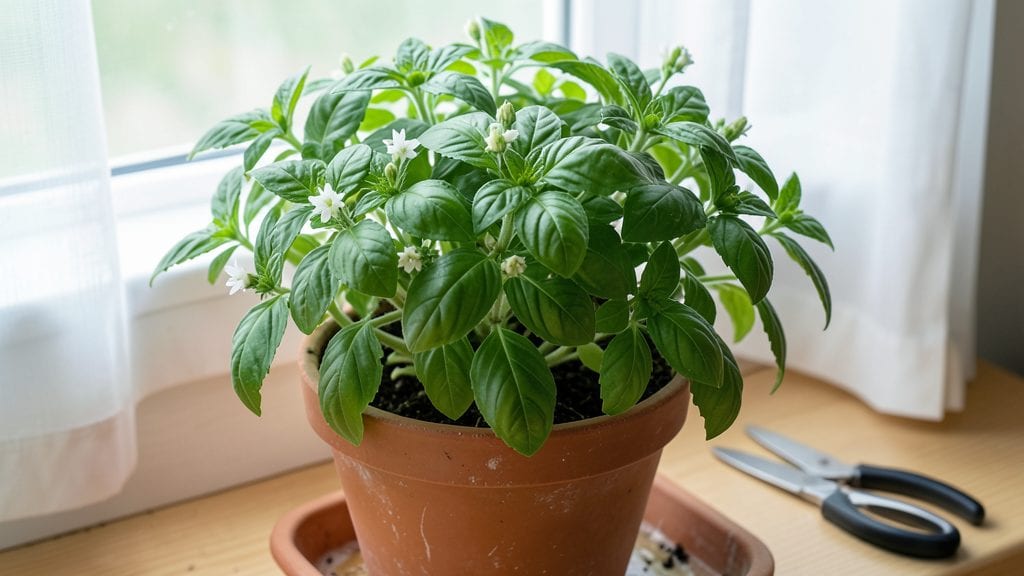
Growing basil plants from seed means fresh, fragrant leaves in just 3-4 weeks—faster than most herbs can deliver. 🌱 I’ve grown basil every year since my first container garden, and the secret isn’t complicated: it’s about sunlight, water, and knowing when to pinch those leaves.
The first time I harvested basil straight from my windowsill, I realized how silly it was to buy wilted store-bought sprigs for $3 a bunch.
You’ll need 5-6 hours of direct sunlight daily, well-draining soil, and containers with drainage holes if growing indoors. Basil thrives in pots as small as 6 inches wide, making it perfect for balconies or kitchen windows.
Overwatering is the biggest mistake—let the top inch of soil dry out between waterings, and your plants will stay lush and productive all season. The key is consistency: basil grows fast when it’s happy, but it bolts (goes to seed) just as quickly if stressed.
By mid-summer, you’ll be snipping leaves daily for pesto, sandwiches, or salads—no grocery store needed. The plants will bush out with bright green leaves, and if you pinch the tops early, you’ll encourage even more growth.
Even if pests like aphids show up, a spray of water usually knocks them off before they cause damage. The best part? You’ll have more basil than you know what to do with, and that’s a problem worth having.
Works just as well in garden beds or containers, whether you’re growing one plant or a whole windowsill garden. Once you master basil, you’ll never buy it again—and your cooking (and neighbors) will thank you.
📚 In This Guide
- What you need
- Instructions
- Tips and common mistakes
- Wrapping up and next steps
What you need
- ● Basil seeds or seedlings: 1–3 plants (choose sweet basil, Thai basil, or purple basil for variety).
- ● Containers or garden bed: Containers: 6–12" pots with drainage holes (1 per plant).
- ● Garden bed: Well-draining soil in a sunny spot (6+ hours of light daily).
- ● Potting mix: 2–3 gallons of high-quality, well-draining soil (add perlite or compost for fluffiness).
- ● Fertilizer: Balanced liquid fertilizer (10-10-10) or organic options like fish emulsion.
- ● Watering can or hose: With a gentle spray nozzle for even moisture.
- ○ Gloves: Optional but handy for soil handling.
- ● Trowel or small shovel: For transplanting seedlings or amending soil.
- ● Pruning shears: Sharp scissors to harvest leaves and encourage bushiness.
- ○ Mulch (optional): Straw or shredded leaves to retain moisture and suppress weeds.
- ○ Support stakes (optional): For tall varieties like ‘Genovese’ basil.
- ● Sunlight: Full sun (6+ hours/day) or partial shade in hot climates.
- ● Temperature: Warm soil (60°F+ for seeds; seedlings tolerate 50°F+).
- ● Consistency: Regular watering (keep soil moist but not soggy).
Step-by-step instructions for growing basil plants quickly
Here's how to get lush, flavorful basil in just weeks—not months.
🌱 Step 1: Choose the Right Containers and Soil Mix
Basil thrives in 6-inch pots with drainage holes to prevent soggy roots. I use the 4 containers from your list—each will hold 1 plant. Fill them halfway with the 2 gallons of potting mix, leaving room for the basil roots to spread. Basil hates soggy feet, so add a handful of perlite to each pot to improve drainage.
Press the mix down gently so it's firm but not compacted. You'll know it's right when a finger pressed in leaves a slight indentation that holds its shape. This ensures roots get the air they need without drying out too fast.
🌱 Step 2: Plant Seeds or Transplants at the Right Time
For fastest results, use the 4 basil transplants instead of seeds—you'll see growth in days, not weeks. Plant each transplant so the top of the root ball sits just below the container's rim. Gently firm the remaining 1 gallon of potting mix around the roots, pressing lightly to eliminate air pockets.
Water immediately after planting until water runs freely from the drainage holes. This settles the soil and removes any air bubbles around the roots. If starting from seed, plant 2 seeds per pot at ¼-inch depth, then cover lightly with soil. Keep the mix moist but not wet until sprouts appear.
☀️ Step 3: Place in Bright, Indirect Light for Fast Growth
Basil needs 6+ hours of sunlight daily for strong, flavorful growth. Place your pots in a south-facing window or under a grow light if natural light is weak. If using a grow light, position it 4-6 inches above the plants and keep it on for 14-16 hours daily. You'll see leaves darken and stems thicken within 3-5 days—that's your sign it's happy.
Rotate the pots quarter-turn daily so plants grow straight, not lopsided. Watch for leggy stems (thin, stretched growth) if light is too low. If this happens, move the plants closer to the light or increase grow light hours. Basil grows best at 65-75°F, so avoid drafty spots.
💧 Step 4: Water and Feed for Rapid Leaf Production
Water when the top inch of soil feels dry—usually every 2-3 days in warm weather. Stick your finger in the soil; if it's dry past your first knuckle, it's time to water. Use room-temperature water and pour slowly until it drains from the bottom. Overwatering causes yellow leaves, while underwatering makes them crisp.
Feed with the liquid fertilizer every 2 weeks once plants have 4-6 true leaves. Dilute the fertilizer to half-strength to avoid burning tender roots. You'll notice new leaves emerging within 3-5 days of feeding—this is basil's way of saying "thank you!" Prune the top set of leaves when the plant reaches 6 inches tall to encourage bushier growth.
✂️ Step 5: Harvest and Maintain for Continuous Production
Harvest leaves when they're 3-4 inches long for peak flavor. Use clean scissors to snip just above a leaf pair—this prompts the plant to branch out. You'll get 4-6 harvests per plant before it bolts (stems elongate and flowers form). Pinch off any flower buds immediately to keep the plant producing leaves.
Replace spent plants with new transplants every 8-10 weeks to keep your garden productive. Basil grows so fast that you'll have fresh leaves for pesto, salads, or sandwiches in just 4-6 weeks from transplanting. The key is consistent light, water, and pruning—no fancy tricks needed!
Tips & tricks for growing basil plants quickly
Here's what I learned after growing basil for years—these tricks will help you get flavorful leaves in record time.
Light is Everything: That 14-16 hours of grow light daily makes all the difference. I place my basil under LED grow lights in the morning when sunlight is weak, then move them to a sunny windowsill by afternoon. Basil grows best at 65-75°F, so if your home gets chilly at night, keep plants near a warm spot. You'll notice leaves darken and thicken within just 3-5 days when light conditions are perfect.
Soil Prep Secret: The 2 gallons of potting mix you use should be fluffy, not compact. I like to mix in an extra handful of perlite for every 1 gallon of soil—this prevents soggy roots that cause yellow leaves. After planting, press the soil gently until it holds its shape when you press your finger in. This creates the perfect airy environment for fast root growth.
Watering Wisdom: Watering every 2-3 days works in warm weather, but check the top inch of soil first. If it's dry past your first knuckle, that's your cue. I use room-temperature water to avoid shocking the roots, and always pour until water drains from the bottom. This prevents overwatering, which turns leaves yellow faster than you'd think.
Pruning for Productivity: When your basil reaches 6 inches tall, prune the top set of leaves to encourage bushier growth. This might seem counterintuitive, but it actually prompts the plant to branch out and produce more leaves. You'll get 4-6 harvests per plant before it bolts—just pinch off any flower buds as soon as they appear to keep the plant focused on leaf production.
Pro Tips for Gardening Basil Plants
- Here's what I learned after growing basil for years—these tricks will help you get flavorful leaves in record time.
- Light is Everything: That 14-16 hours of grow light daily makes all the difference.
- Soil Prep Secret: The 2 gallons of potting mix you use should be fluffy, not compact.
Frequently asked questions
Got questions about growing basil? You’re not alone—this fast-growing herb can be tricky for beginners! Here are answers to the most common queries to help you cultivate a thriving basil garden.
How long does it take for basil plants to grow from seed?
Basil seeds typically sprout within 7–14 days under ideal conditions (warm soil, consistent moisture, and sunlight). Once planted, expect 6–8 weeks to harvest leaves from seedlings, or just 4–6 weeks if you start with transplants. Patience pays off—young leaves are tender and flavorful!
When is the best time to plant basil?
Basil thrives in warm weather—plant after the last frost when soil temps hit 50°F (10°C) or higher. In most regions, this means late spring to early summer. For container gardening, you can even start indoors 4–6 weeks before the last frost and transplant outside later. Avoid cold snaps—basil hates frost!
Can I grow basil indoors without sunlight?
Yes! Basil needs 6–8 hours of sunlight daily, but a south-facing window or a grow light (12–16 hrs/day) works well indoors. Place it near a sunny spot and rotate the pot occasionally for even growth. If leaves yellow or stretch (called etiolation), it’s time to move it closer to light. Pro tip: A sunny windowsill can yield just as much basil as outdoor pots!
Why are my basil leaves turning yellow or curling?
Yellowing leaves often signal overwatering or poor drainage. Let the top inch of soil dry out between waterings. Curling leaves may mean pests (like aphids or spider mites) or underwatering. Check the undersides of leaves for tiny bugs—spray with neem oil or insecticidal soap if needed. Bonus: Pinch off damaged leaves to encourage new growth!
What can I plant near basil to keep pests away?
Basil is a natural pest repellent—plant it near tomatoes, peppers, or oregano to deter mosquitoes, whiteflies, and even tomato hornworms. Avoid planting it with rue or sage, as they can stunt its growth. For containers, mix basil with marigolds or nasturtiums to create a pest-free, fragrant duo!
Wrapping up and next steps
Growing basil is a rewarding journey that brings fresh, fragrant flavors to your kitchen and vibrant greenery to your space!
Whether you’re a seasoned gardener or just starting out, these fast-growing herbs thrive in containers or garden beds with minimal fuss. Your next step? Start with a few plants, experiment with companion pairings, and enjoy the delicious results—one leaf (or pesto recipe!) at a time. 🌱✨
- Pro tip: Share your basil bounty with friends or freeze extras for year-round use!