Planting
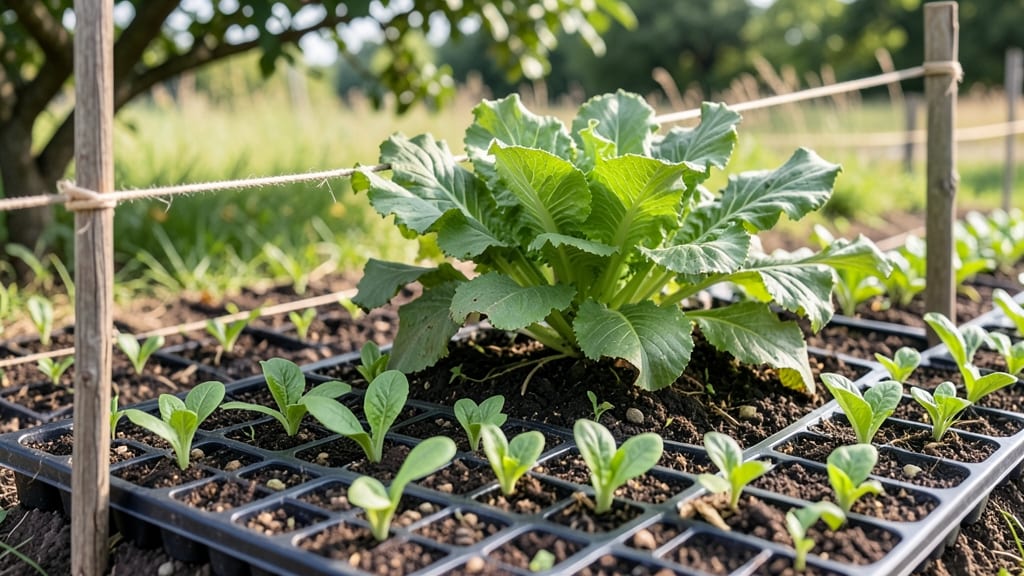
Proper garden row spacing is essential for maximizing plant health by reducing competition for sunlight, water, and nutrients while improving airflow to prevent fungal diseases. Most plants thrive with spacing between 12 to 36 inches between rows, depending on their mature size—larger crops like tomatoes need wider gaps, while herbs like basil can grow closer together.
Getting the spacing right isn't just about fitting more plants in—it's about giving each one the room to thrive. 🌱 Overcrowding forces plants to fight for resources, stunting growth and making them more vulnerable to pests and diseases.
For instance, leafy greens like spinach can handle closer spacing (6 to 12 inches), while root vegetables like carrots need at least 12 inches to avoid deformities. Even flowers benefit from proper spacing, as crowded blooms often produce fewer, weaker stems.
Another key factor is how you arrange your rows. Some gardeners use the "three sisters" method—planting corn, beans, and squash together—but this requires careful spacing adjustments. For raised beds or containers, you’ll need to tighten the spacing slightly, but never sacrifice airflow.
I always recommend sketching a layout before planting to visualize how your garden will grow over time.
💡 In This Article
- How Plant Size and Type Dictate Row Spacing
- Practical Row Spacing Guide by Plant Category
How plant size and type dictate row spacing
The science behind proper spacing starts with understanding how plants grow underground and above. Root systems determine how much space a plant needs to access water and nutrients without competing with neighbors.
For example, carrots develop long, tapered roots that need at least 12 inches of soil depth and lateral space to avoid forking. Meanwhile, shallow-rooted herbs like thyme spread horizontally but only need 6-12 inches between plants since their roots don't compete vertically. 🌱
Above ground, mature plant width is the critical factor. Leafy greens like kale grow 18-24 inches wide at maturity, while tomato plants can spread 2-3 feet with proper pruning.
The rule of thumb is to leave enough space so that the plant's foliage won't touch its neighbors when fully grown—this prevents fungal diseases like powdery mildew that thrive in humid, crowded conditions.
Sunlight requirements also play a role: plants with broad leaves (like lettuce) need more spacing to ensure all leaves get adequate light, while narrow-leaved plants (like onions) can grow closer.
What most gardeners overlook is how spacing affects yield quality. Crowded plants divert energy toward competing for resources rather than producing fruit or seeds. For instance, zucchini plants spaced 24 inches apart produce larger, straighter fruits compared to those crammed into 12-inch gaps.
The trade-off is yield quantity versus quality—closer spacing might give you more plants but with smaller harvests. Airflow is another silent benefit: proper spacing reduces humidity levels between plants, making it harder for fungal spores to survive and multiply. 💫
Consider these key differences between plant categories:
- Root crops: Need deep, unobstructed soil (e.g., 12-18 inches for carrots, 6-12 inches for radishes)
- Fruiting plants: Require wide spacing for air circulation (e.g., 24-36 inches for tomatoes, 36 inches for squash)
- Herbs: Can grow densely but need airflow (e.g., 6-12 inches for basil, 12-18 inches for rosemary)
- Flowers: Often need 12-24 inches to prevent disease and encourage branching
The most dramatic examples come from comparing corn and carrots. Corn plants grow 6-8 feet tall with 12-inch-wide leaves that need 36-inch row spacing to prevent shading. Meanwhile, carrots—with their 1-inch-wide tops—can grow in rows just 12 inches apart because their shallow roots don't compete for depth.
This shows how plant architecture dictates spacing needs at every level. 🌽
Here's what happens when you get it wrong: Overcrowded carrots fork and split, while overcrowded tomatoes develop blossom end rot from poor calcium uptake. The sweet spot isn't just about measurements—it's about matching the plant's natural growth pattern with your garden's conditions.
Start with the manufacturer's recommendations, then adjust based on your climate and soil quality. In hot, dry regions, you might need slightly more space to prevent moisture stress, while cooler climates can sometimes accommodate closer planting. 💧