Vegetables
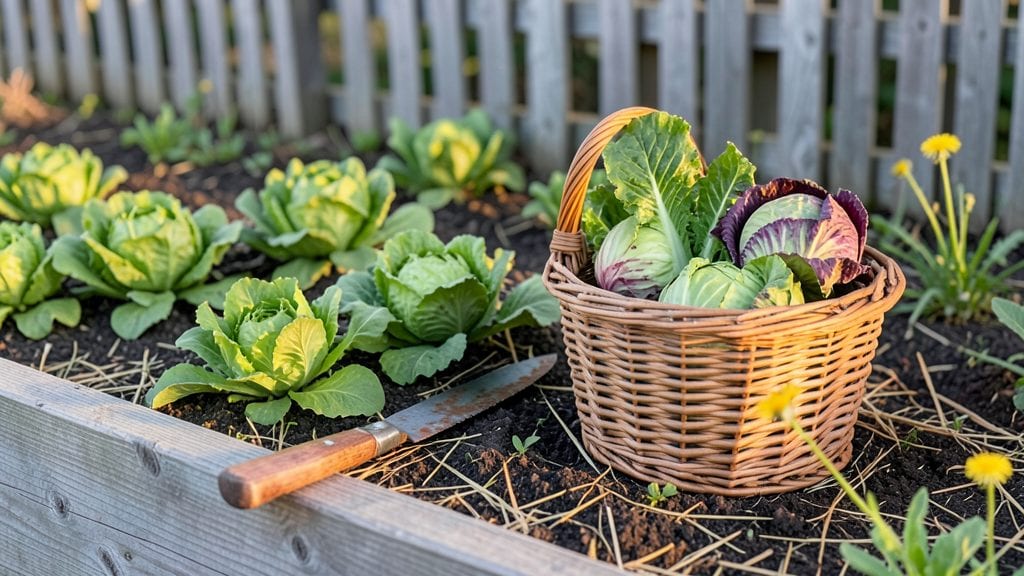
The history of victory gardens shows how wartime necessity transformed backyard plots into a national agricultural movement during World War II, where they produced over 40% of America's produce. These gardens built on colonial traditions and earlier wartime efforts, becoming a symbol of civic duty and self-reliance.
The concept actually began long before WWII, with colonial families growing kitchen gardens for self-sufficiency.
During World War I, President Woodrow Wilson launched the first official campaign, encouraging citizens to grow "liberty gardens" to free up commercial crops for soldiers. 🌱 By WWII, the movement had expanded dramatically, with over 20 million gardens across the U.S. producing vegetables, fruits, and even herbs—some families grew enough to feed their neighbors too.
What makes this history fascinating is how these gardens became more than just food sources. They fostered community spirit, reduced reliance on rationed goods, and even boosted morale during challenging times. Many modern urban farming movements draw inspiration from this legacy, proving how wartime innovations can create lasting agricultural traditions.
💡 In This Article
- Origins and Evolution of Victory Gardens
- How to Start a Modern Victory Garden
Origins and evolution of victory gardens
The roots of victory gardens stretch back to colonial America, where families maintained kitchen gardens—small plots growing essential vegetables like cabbage, onions, and potatoes. These weren't just food sources; they were survival tools during harsh winters and unpredictable harvests.
By the late 18th century, Thomas Jefferson's Monticello gardens demonstrated how even elite households could produce 95% of their own food, proving the concept's practicality beyond subsistence farming. 🌱
World War I marked the first organized push for these gardens when President Woodrow Wilson launched the National War Garden Commission in 1917. The campaign framed gardening as patriotic duty, distributing seed packets and planting guides through schools and libraries.
By war's end, an estimated 5 million gardens had produced 1.3 billion pounds of food, freeing up commercial crops for troops. The movement's success revealed how quickly civilians could mobilize for national needs.
The real transformation came with World War II, when the U.S. government escalated efforts through propaganda films, radio broadcasts, and school programs. First Lady Eleanor Roosevelt even planted a White House victory garden in 1943, setting an example.
The Victory Garden Program distributed 15 million seed packets annually, with families growing everything from tomatoes to carrots in backyards, rooftops, and even vacant lots. 🌿
What made WWII's gardens different was their scale and organization. The government partnered with 4-H clubs, Boy Scouts, and women's groups to create community plots, while urban programs converted parks into farmland.
By 1944, these gardens produced 40% of the nation's fresh vegetables, reducing commercial demand by 10 million tons—equivalent to feeding 20 million people annually. The movement's success proved how quickly agricultural systems could adapt during crises.
The psychological impact was equally significant. Gardens became symbols of resilience, with families displaying "Food Will Win the War" signs alongside their produce. The shared effort fostered community bonds, particularly in cities where neighbors pooled resources.
Even after the war, many maintained their gardens, laying the foundation for modern community farming movements. 💫
Today, historians note how victory gardens bridged the gap between rural farming and urban living. They demonstrated that agriculture could thrive in 100-square-foot plots using simple tools—a lesson now applied to urban farming.
The movement's legacy persists in school gardens, rooftop farms, and CSAs, proving that wartime innovations often create lasting cultural shifts. The science of soil conservation and crop rotation developed during these years still informs sustainable farming today.