Container Gardens
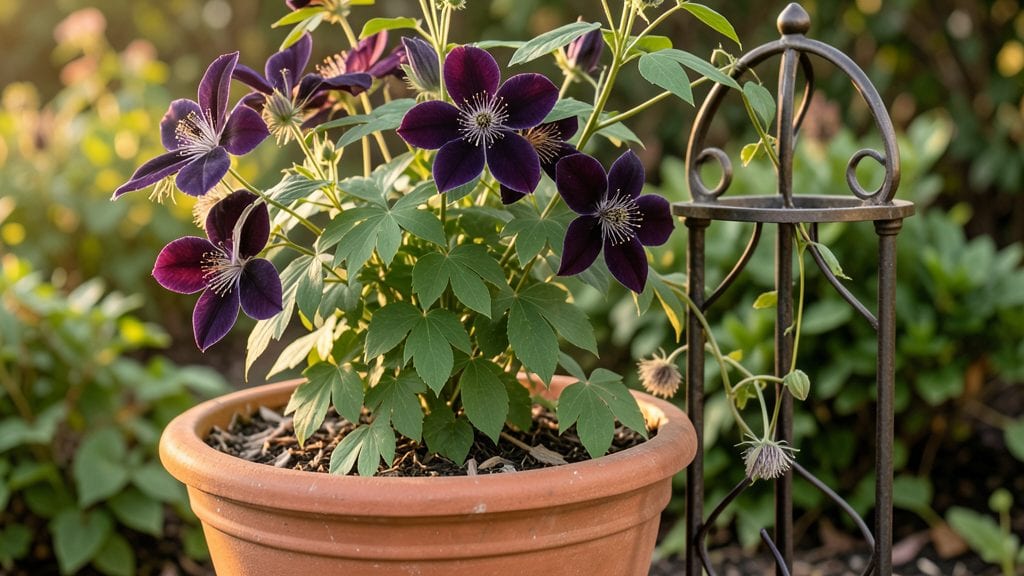
Growing clematis in containers turns your balcony or patio into a vertical garden showstopper with minimal space and maximum drama. I’ve watched these vines transform from wilting cuttings to lush, flower-covered cascades by mastering the container setup—it’s all about the right pot, soil, and a little extra care.
The best part? You can move them to follow the sun or protect them from harsh weather, something impossible with in-ground plants.
Start with a pot at least 12 inches wide and deep—clematis roots need room to spread, and shallow containers lead to floppy vines. Use a well-draining mix of potting soil, compost, and perlite to keep roots happy, and always add a trellis or obelisk before planting.
Watering is the trickiest part: containers dry out fast, but soggy roots cause more problems than thirsty ones. I check soil moisture daily in summer and adjust watering based on how quickly the top inch dries out.
By summer’s end, you’ll have a vine heavy with blooms that rivals any garden bed. The key is pruning at the right time—cut back dead stems in early spring and trim spent flowers to encourage more blooms.
Pair your clematis with trailing plants like ferns or petunias for a fuller look, and watch as your container becomes the envy of the neighborhood. The mobility of container gardening means you can even bring them indoors during winter if you live in a cold climate.
Troubleshooting is easier than you’d think: yellow leaves usually mean overwatering or poor drainage, while sparse blooms often signal underfeeding. A balanced fertilizer in spring and summer keeps them thriving, and a quick spray of neem oil handles most pests.
With these hacks, your clematis will grow stronger, healthier, and more vibrant than ever—all while staying put in its container.
📚 In This Guide
- What you need
- Instructions
- Tips and common mistakes
- Wrapping up and next steps
What you need
- ● Container: Minimum 12-inch diameter (or larger for big varieties like Clematis montana)
- ● Depth: 12–18 inches (deeper for climbing types)
- ● Drainage holes (non-negotiable!)
- ● Materials: Terracotta, ceramic, or fabric grow bags (avoid plastic without drainage)
- ● Potting Mix: 1 part high-quality potting soil (e.g., Miracle-Gro or FoxFarm)
- ● 1 part perlite or pumice (for aeration)
- ● 1 part compost or worm castings (for nutrients)
- ● Clematis Plant: Choose container-friendly varieties (e.g., Clematis ‘Jackmanii’, ‘Niobe’, or ‘Sweet Summer Love’)
- ● Size: 1–2 gallon nursery pot (smaller roots = easier transition)
- ● Support Structure: Trellis, obelisk, or small cage (height: 3–6 feet, depending on variety)
- ● Sturdy enough to hold 10+ lbs of vine weight when blooming
- ● Fertilizer: Balanced, slow-release fertilizer (e.g., 10-10-10 or 5-10-5)
- ○ Optional boost: Fish emulsion or bone meal (for phosphorus)
- ● Mulch: Cedar chips or pine bark (retains moisture, deters weeds)
- ● Slow-release moisture beads (for drought-prone areas)
- ● Pruning shears (sharp, bypass-style for clean cuts)
- ● Epsom salt (magnesium boost for vibrant blooms)
- ● Self-watering container (if you’re forgetful or travel often)
Step-by-step instructions for growing clematis in containers
Here's how to keep these climbing beauties happy in limited space—no yard needed.
Choose the Right Container and Drainage
Select a container at least 12 inches deep and wide to accommodate clematis' extensive root system. I recommend a fabric grow bag or terracotta pot—both provide excellent drainage and airflow. Ensure there are multiple drainage holes at the bottom to prevent root rot, which clematis is particularly prone to.
If your chosen container lacks drainage, drill ¼-inch holes along the bottom and sides near the base. Line the container with a piece of landscape fabric to prevent soil from washing out while still allowing excess water to escape. The right container setup is the foundation for healthy growth—don't skip this.
Prepare the Soil Mix for Clematis
Clematis thrives in well-draining, fertile soil with a slightly alkaline pH. Combine 3 gallons of potting mix with 1 gallon of perlite and 1 cup of compost to create a light, airy medium. This blend prevents compaction and encourages root development.
Mix everything thoroughly until the soil looks fluffy and uniform. Avoid garden soil—it compacts easily in containers and can suffocate roots. Add a slow-release fertilizer (like 10-10-10) at a rate of 1 tablespoon per gallon of soil to provide steady nutrients. Moisten the mix with warm water until it feels damp but not soggy.
Plant Clematis with Proper Support
Place your clematis plant in the container, ensuring the crown sits just below the soil surface—never bury it too deep. Gently spread the roots outward and fill in around them with the prepared soil mix, pressing lightly to eliminate air pockets. Leave 1 inch of space between the soil and the container rim for watering.
Install a trellis or obelisk immediately after planting. Clematis vines need strong vertical support to climb and flourish. Choose a structure that’s at least 4 feet tall—taller if you want dramatic blooms. Secure the trellis inside the container or nearby to prevent toppling as the vine grows. Water thoroughly after planting to help settle the soil.
Provide Light and Water for Optimal Growth
Clematis loves full sun to partial shade, with at least 6 hours of direct sunlight daily. Place your container in a south-facing spot or under a dappled shade tree if your climate is extremely hot. If growing indoors, position near a south or west-facing window and supplement with a grow light for 12-14 hours per day. Leggy growth means your plant isn’t getting enough light.
Water deeply 2-3 times per week, ensuring the top 2 inches of soil feel dry before the next watering. Clematis hates soggy roots but also dislikes drought stress. In containers, soil dries out faster, so check moisture levels daily during hot weather. Mulch the soil surface with 1 inch of organic mulch to retain moisture and regulate temperature.
Prune and Fertilize for Continuous Blooms
Prune clematis twice a year: in early spring (just as new growth begins) and after flowering. For container-grown plants, focus on removing dead or weak stems and shaping the vine to encourage airflow. Cut back one-third of the oldest stems each year to promote new growth. This keeps the plant compact and blooming vigorously.
Feed your clematis with a balanced liquid fertilizer (like 20-20-20) every 4-6 weeks during the growing season. Reduce feeding in late summer to prepare the plant for dormancy. Deadhead spent blooms regularly to encourage more flowers. With proper care, your container clematis will reward you with stunning blooms from early summer through fall.
Tips & tricks for perfect clematis container gardening
Container gardening with clematis can be incredibly rewarding when you pay attention to these key details that make all the difference between struggling vines and thriving plants.
Container Selection Wisdom: While a 12-inch container is the minimum, I've found that adding a second, slightly smaller container nearby can create a "root extension" system. Plant one clematis in each container and connect them with a sturdy bridge—this gives your vine double the root space while keeping the overall footprint compact. The key is to ensure both containers have excellent drainage and are positioned close enough for the vine to easily transition between them.
Soil Texture Matters: When mixing your 3 gallons of potting mix with 1 gallon of perlite and 1 cup of compost, don't just eyeball it—weigh your components if possible. Perlite should make up about 25% of your mix by volume, not just "a handful." This airy texture is crucial because clematis roots need oxygen as much as they need water. If your mix feels dense after mixing, add another quarter cup of perlite to improve drainage.
Support System Strategy: The 4-foot trellis recommendation is perfect, but here's what nobody tells you: clematis vines grow in a spiral pattern. Install your trellis with a slight lean (about 10 degrees) rather than perfectly vertical. This natural growth habit will make the vine cling more easily to the support, requiring less tying. You'll also notice the blooms face outward more naturally when supported this way.
Light Optimization Hack: If you're growing indoors near a south or west-facing window, rotate your container 90 degrees every few days. This prevents the vine from growing toward one light source and creates more balanced, bushier growth. For outdoor containers, consider a simple DIY solution: place a small mirror near your container to reflect additional light onto the foliage, especially if you're in a shaded area.
Pro Tips for Clematis Container Gardening
- Container gardening with clematis can be incredibly rewarding when you pay attention to these key details that make all the difference between struggling vines and thriving plants.
- Container Selection Wisdom: While a 12-inch container is the minimum, I've found that adding a second, slightly smaller container nearby can create a "root extension" system.
- Soil Texture Matters: When mixing your 3 gallons of potting mix with 1 gallon of perlite and 1 cup of compost, don't just eyeball it—weigh your components if possible.
Frequently asked questions
Got questions about growing clematis in containers? You’re not alone—this versatile vine has a few quirks! Here are answers to the most common container gardening concerns to help you succeed.
What’s the best container size for clematis?
Clematis thrive in at least 12–15 inches deep and wide—bigger is better for root growth. Choose containers with drainage holes and consider window boxes or half-barrels for vertical displays. For large varieties like ‘Jackmanii,’ opt for 20+ gallons to support their vigorous growth.
When is the best time to plant clematis in containers?
Plant in early spring or fall when temperatures are mild (50–70°F). Avoid extreme heat or frost—clematis roots are sensitive! If planting in summer, water deeply daily and shade from direct sun for the first 2 weeks to reduce stress.
How often should I water potted clematis?
Water when the top inch of soil feels dry—usually every 2–3 days in summer. Containers dry out faster! Mulch with bark or straw to retain moisture. Overwatering can cause root rot, so ensure your pot has drainage holes.
What pests or diseases should I watch for in container clematis?
Common issues include aphids, spider mites, and powdery mildew. Inspect leaves regularly—spray with neem oil for pests or treat mildew with a fungicide. Prune affected stems immediately to prevent spread. Poor air circulation (from overcrowded pots) worsens problems!
Can I grow clematis in containers without a trellis?
Yes! Use vertical supports like obelisks, cages, or even a sturdy mesh screen to guide vines upward. For small varieties (e.g., ‘Nipponensis’), a mini trellis or hanging basket works. Without support, vines sprawl, risking root competition and weaker blooms.
Wrapping up and next steps
Container gardening with clematis is a rewarding way to bring vibrant, vertical beauty to small spaces—no yard required! 🌿 With the right container, support, and care, these versatile vines will thrive, offering lush blooms and minimal fuss.
Whether you’re a beginner or a seasoned gardener, the key is patience, observation, and a little creativity.
Ready to transform your balcony, patio, or windowsill? Start small—pick one clematis variety, gather your supplies, and dive in! Your future self (and your neighbors!) will thank you. 🌸