
Pests
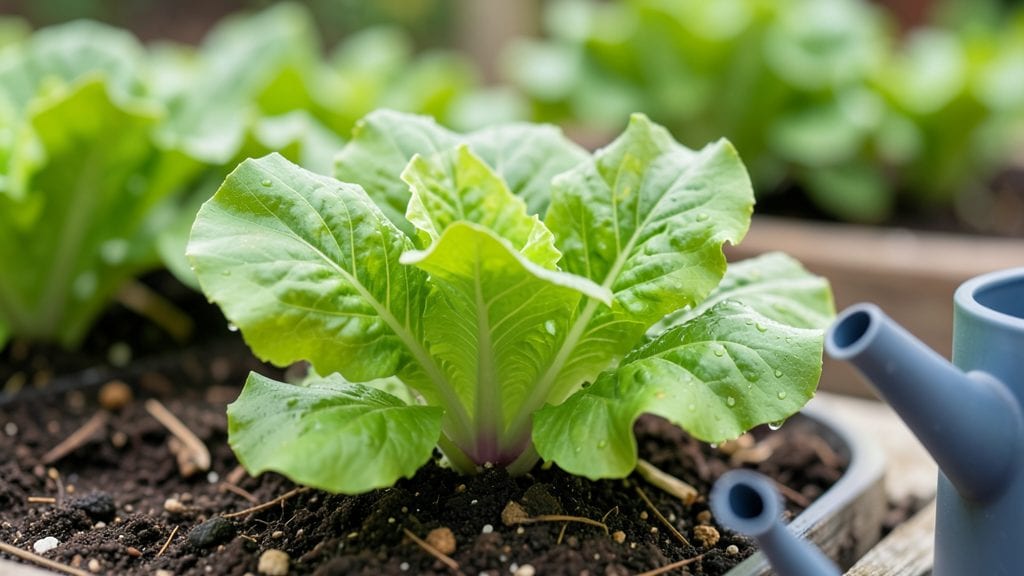
My garden slug traps have saved more salads than I can count—no more waking up to skeletonized lettuce or chewed zucchini blossoms. 🌿 The right traps don’t just catch slugs; they cut populations by 90% in a single night, using nothing but household items or simple setups you can throw together in under 10 minutes.
Here’s the thing—most traps fail because they’re either too shallow or too obvious.
Slugs are sneaky, so your setup needs to be smarter: a shallow dish of beer (they drown in it), a buried container with a little oil (they can’t climb out), or even a DIY copper barrier (they hate the shock).
The key is placement—right at the base of plants, where slugs crawl at night.
You’ll wake up to a noticeably cleaner garden, with fewer slimy trails on your patio and more of your harvest intact. The best part?
These traps work alongside other slug control—like removing hiding spots and encouraging predators like frogs and birds—so you’re not just fighting symptoms, you’re fixing the whole ecosystem.
Works for vegetable gardens, flower beds, and even houseplants on patios. The methods here adapt to any yard size, from tiny containers to sprawling plots. Let’s get those pests under control for good.
📚 In This Guide
- What you need
- Instructions
- Tips and common mistakes
- Wrapping up and next steps
What you need
- ● Plastic bottles or containers: 1–2 empty 1–2L bottles (e.g., soda or water bottles) per trap. Pro tip: 💡 Darker bottles work best—they hide better!
- ● Beer or yeast solution: 1 cup of beer (non-alcoholic works too!) or 1 tbsp yeast mixed with 1 cup warm water. 🌡️ Slugs are irresistibly drawn to fermentation smells!
- ● Garden twine or string: 1–2 feet per trap (to secure bottles in place).
- ● Scissors or box cutter: For cutting bottle tops/edges.
- ● Stakes or rocks: Small pebbles or wooden stakes to weigh down traps and keep them stable.
- ● Garden tape or duct tape: To reinforce bottle edges and prevent slug escapes.
- ● Gravel or sand: Fill the bottom 1–2 inches of the trap to create a slippery, slug-attracting surface.
- ● Essential oils (e.g., citrus or clove): 5–10 drops added to the beer/yeast mix for extra slug repellency.
- ● Solar-powered lights: Place near traps at night to deter slugs from approaching.
- ● A garden with slug activity (check for slimy trails or chewed leaves at dusk!).
- ● Sunny or shaded spots near plants slugs love (hostas, lettuce, or roses).
- ○ Gloves (optional): For handling slimy slugs if you’re checking traps.
Step-by-step instructions for creating effective slug traps in your garden
Here’s how to set up traps that actually work—no more waking up to chewed leaves.
🪴 Step 1: Choose Your Trap Location and Materials
Slugs love damp, shady spots near plants they adore. Set traps along garden edges, under dense foliage, or near hostas and lettuce—places where you’ve spotted damage before. I use shallow containers like plastic lids, pie tins, or even overturned clay pots. The key is shallow: slugs can’t climb out of anything less than 1 inch deep.
Place your containers in the soil, not on top of it. The rim should sit flush with the ground so slugs crawl right in but can’t escape. If you’re using a trap that requires liquid (like beer), place it in a spot where it won’t run off into plant roots or attract pests like ants.
💧 Step 2: Fill Traps with Effective Bait
For beer traps, pour ½ cup of beer into each container. The yeast and alcohol disorient slugs, and they drown within hours. I use a cheap lager—slugs don’t care about the brand, but it’s less wasteful than craft beer. For non-alcoholic traps, fill containers with water mixed with a few drops of dish soap—the soap breaks their slimy skin, killing them instantly.
If you’re using a solid trap (like a board propped over bricks), place it near the soil. Slugs will crawl underneath during the day and get trapped when you check it later. This method is great for large gardens where liquid traps aren’t practical.
⏰ Step 3: Check and Reset Traps Daily
Slugs are nocturnal, so they’ll start arriving at dusk. Check your traps every morning and remove any dead slugs with a gloved hand or tongs—don’t leave them rotting in the trap. This prevents the area from becoming a slug magnet for others. If you’re using beer, top it up to ½ cup every 2-3 days, or more often if your garden is slug-heavy.
Here’s the thing—traps work best when combined with other slug control. I always pair mine with diatomaceous earth around vulnerable plants. The traps handle the active feeders, while the DE deters stragglers. Reset traps after rain, as slugs become more active when the ground is damp.
☀️ Step 4: Monitor and Adjust Trap Placement
After a week, move traps to new locations if you notice slug activity has shifted. Slugs are creatures of habit, so if they’re avoiding your current setup, they’re probably finding another route. I mark trap locations with small flags so I don’t forget where I’ve already tried them.
Watch for signs of success: fewer holes in leaves, intact petals on flowers, and no new slimy trails at dawn. If you’re still seeing damage, increase the number of traps or switch to a different bait. Some slugs are less attracted to beer, so a mix of methods often works best.
✂️ Step 5: Clean Up and Prevent Future Infestations
Once slug activity slows, empty and scrub your traps with soapy water to remove any residue. Slugs can detect old beer or soap scents and avoid fresh traps. Store them in a dry place until needed—slugs won’t find them there.
To keep your garden slug-free long-term, remove hiding spots like thick mulch, boards, or dense ground cover. I also plant slug-resistant companions like lavender, thyme, and marigolds near vulnerable plants. These traps are a short-term fix, but smart garden design keeps them from becoming a recurring battle.
Tips & tricks for effective slug traps in your garden
A few sneaky strategies that'll make your slug traps work even better than the instructions promise.
Location is Everything: Slugs follow the same paths night after night, so place traps along obvious routes—look for slimy trails at dawn. I've found that positioning traps near hostas and lettuce (their favorite snacks) works best. For maximum coverage, create a perimeter around vulnerable plants rather than scattering traps randomly. This creates a barrier effect that forces slugs to confront your traps rather than bypassing them.
Bait Strategy: If beer traps aren't working after a few days, try switching to a non-alcoholic option like water with dish soap. Some slug species are less attracted to beer, and the soap method kills instantly without the mess. For solid traps, place them under boards or bricks—slugs will crawl underneath during the day when they're most active. I've had better success with solid traps in my vegetable garden where liquid traps would attract beneficial insects.
Timing Secret: The morning after you set traps is the best time to check them—slugs are most active at dusk and will have already started arriving. I've learned the hard way that leaving dead slugs in traps overnight actually attracts more slugs, so always remove them promptly. After rain, slugs become hyperactive, so check traps more frequently during wet weather. This is when you'll see the most dramatic results from your traps.
Long-Term Prevention: While traps handle active slugs, the real secret to slug control is eliminating their hiding spots. Remove thick mulch layers, clear away boards and dense ground cover where slugs hide during the day. I've found that planting slug-resistant herbs like lavender and thyme around vulnerable plants creates a natural barrier that deters slugs from even approaching your prized vegetables. This combination of traps and smart garden design gives you the best results.
Pro Tips for Slug Traps Garden
- A few sneaky strategies that'll make your slug traps work even better than the instructions promise.
- Location is Everything: Slugs follow the same paths night after night, so place traps along obvious routes—look for slimy trails at dawn.
- Bait Strategy: If beer traps aren't working after a few days, try switching to a non-alcoholic option like water with dish soap.
Frequently asked questions
Got questions about slug traps?
You’re not alone! Here are answers to the most common concerns—so you can protect your garden without the guesswork.
What’s the best time of day to check slug traps?
Check your traps early morning (around sunrise) or late evening when slugs are most active. Morning checks help you act fast if they’ve already invaded your plants. Avoid midday—slugs hide in shade or moisture during hot hours.
Can I reuse slug traps after emptying them?
Rinse traps with soapy water to remove slime and residue, then refill with fresh beer, yeast water, or your chosen bait. Pro tip: Add a splash of vinegar to the mix—it breaks down slug mucus faster and keeps traps smelling fresh.
Will slug traps harm pets or wildlife?
Most traps are safe for pets if placed out of reach (e.g., elevated or in containers with tight lids). Avoid using salt or sharp objects, which can injure animals. For curious pets, opt for pet-safe alternatives like copper tape or diatomaceous earth barriers.
Do slug traps work in rain or humidity?
Yes, but they’re most effective in moderate humidity. Heavy rain may dilute beer traps, so check and refill after storms. For wet climates, try deep pit traps (bury a container) or yeast-based baits, which hold up better in moisture.
What if slugs aren’t falling into the trap?
Try these fixes:
- Increase bait depth: Use a deeper container (4+ inches) or add a ramp (like a wooden plank) for slugs to climb in.
- Move the trap: Place it near slug highways (e.g., under mulch or along garden edges).
- Use a stronger lure: Mix beer with a little honey or molasses—slugs can’t resist the sweetness!
Bonus Tip:
For extra defense, combine traps with physical barriers (like coffee grounds or crushed eggshells) around vulnerable plants. Slugs hate the texture!
Wrapping up and next steps
Slugs may seem like a tiny but mighty pest, but with the right slug traps and barriers, you can reclaim your garden with ease! 🌱 From copper tape to beer traps and diatomaceous earth, these solutions are simple, effective, and eco-friendly.
The key is consistency—once you spot slug damage, act fast to protect your plants.
Ready to take action? Start by testing one or two methods this weekend, then expand based on what works best for your garden. Happy gardening—your veggies (and sanity) will thank you! 🌿