
Watering
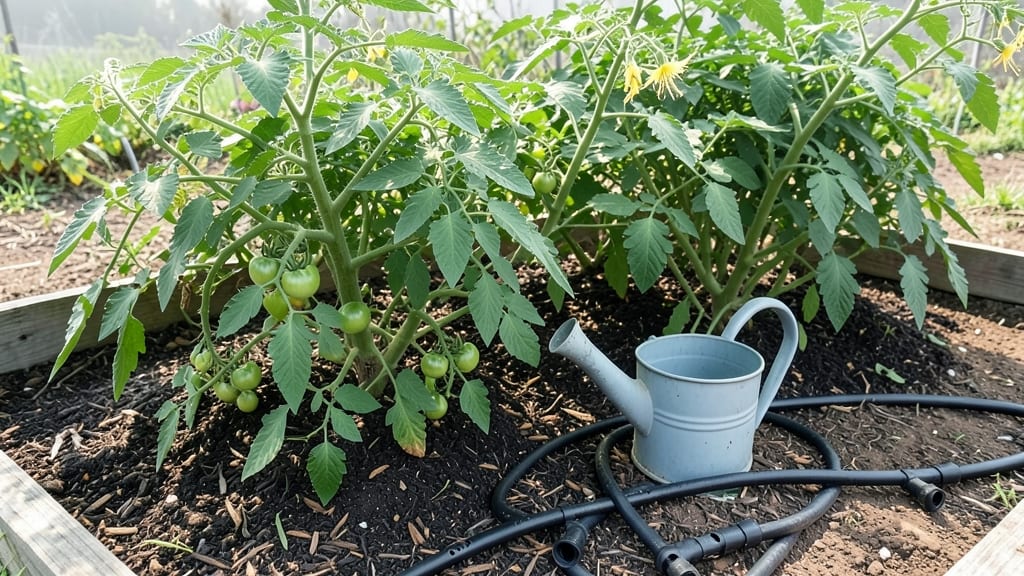
Watering a vegetable garden isn't just about keeping soil damp—it's about giving plants exactly what they need, when they need it, without wasting a drop. I learned the hard way that my morning watering routine was drowning some crops while leaving others parched by afternoon.
The right approach saves time, water, and frustration while producing healthier, more productive plants.
You don't need fancy equipment to start—just a simple moisture meter or your finger to check soil depth. Most vegetables prefer 1-1.5 inches of water per week, delivered consistently rather than in sporadic bursts.
Drip irrigation is my go-to because it delivers water right at the roots where it counts, but even a soaker hose or careful hand-watering works if you're patient. The key is timing: early morning watering minimizes evaporation and fungal diseases.
What you'll notice first is plants that stay vibrant green instead of wilting or yellowing at the edges. Tomatoes develop fewer cracks, peppers stay firm and crisp, and herbs retain their full flavor.
Root vegetables like carrots and potatoes grow straighter when soil moisture stays even. The real game-changer? Cutting your water bill by 30-50% while growing more food—because healthy plants use water efficiently.
This method adapts to any season—just adjust for rain or heat waves. In summer, you might water twice daily, while winter often needs only weekly checks. The same principles work for raised beds, containers, or in-ground gardens. Let's get those roots drinking the right way!
📚 In This Guide
- What you need
- Instructions
- Tips and common mistakes
- Wrapping up and next steps
What you need
- ● Water source: Garden hose (¼” or ⅝” diameter, at least 25 feet for reach) OR rain barrel (50+ gallons).
- ● Watering system: Drip irrigation kit (soaker hoses or micro-sprinklers, ¼” tubing, emitters for precise flow).
- ● OR Adjustable watering wand (for spot-on targeting).
- ● Timer: Smart hose timer (programmable, 24-hour cycles) OR analog mechanical timer.
- ● Measuring tools: Trowel (for checking soil moisture 1–2 inches deep).
- ● Moisture meter (soil-specific, 0–100% range).
- ● Mulch: Organic mulch (straw, wood chips, or shredded leaves, 2–4 inches thick) to retain moisture.
- ● Water-saving nozzle (e.g., low-flow or showerhead-style for hose ends).
- ● pH test kit (to monitor soil health post-watering).
- ● Self-watering planters (for container gardens, 5+ gallon capacity).
- ● Solar-powered pump (for off-grid gardens).
Step-by-Step instructions for watering a vegetable garden
Mastering watering transforms your garden from struggling to thriving—here's how to do it right.
Assess Soil Moisture Before Watering
Check soil moisture by inserting your finger 1-2 inches deep in the soil. If it feels dry, it's time to water. I like to do this in the morning before the sun gets too intense—this gives plants a steady start to their day. Different vegetables have different needs, but most garden soils should stay consistently moist in the top 6 inches.
For sandy soils, you'll need to water more frequently because they drain quickly. Clay soils hold moisture longer, so you can water less often. The key is to avoid letting the soil dry out completely between waterings. If you're unsure, it's better to check again in an hour rather than overwatering right away.
Water Deeply and Slowly
When you water, do it deeply to encourage strong root growth. A good rule of thumb is to water until 6-8 inches of soil is moist. Use a garden hose with a gentle spray nozzle or a soaker hose to deliver water slowly. This prevents runoff and ensures water penetrates deeply where the roots need it most.
Watering in the early morning is ideal because it reduces evaporation and gives plants time to absorb moisture before the heat of the day. Avoid watering in the evening, as damp foliage overnight can lead to fungal diseases. If you must water in the afternoon, do it at least 2-3 hours before sunset.
Adjust for Weather and Plant Needs
Hot, dry weather means you'll need to water more frequently, while cooler, cloudy days allow the soil to retain moisture longer. Pay attention to your plants—they'll tell you what they need. For example, tomatoes and peppers need consistent moisture, while root vegetables like carrots and potatoes prefer slightly drier conditions to prevent rot.
Group plants with similar water needs together in your garden layout. This makes watering more efficient and ensures each plant gets the right amount. Mulching with 2-3 inches of organic mulch helps retain soil moisture and reduces the need for frequent watering. Just be sure to keep mulch a few inches away from plant stems to prevent rot.
Monitor for Signs of Overwatering or Underwatering
Yellowing leaves or wilting plants are clear signs of water issues. If leaves turn yellow and feel mushy, you're likely overwatering. Brown, crispy leaves usually mean underwatering. Check the soil again to confirm. Overwatering is just as harmful as underwatering—it deprives roots of oxygen and can lead to root rot.
If you notice wilting, wait until the next morning to water. Sometimes plants wilt during the heat of the day even when the soil is moist. Give them a good drink in the morning, and they should perk up within a few hours. Consistency is key—stick to a watering schedule that keeps your soil evenly moist but not soggy.
Tips & tricks for perfect vegetable garden watering
These precise strategies will help you keep your garden thriving without wasting a drop of water.
Soil Depth Matters: When checking soil moisture in Step 1, don't just test at the surface. The top 2 inches can be misleading—always check down to 2 inches deep, as this is where most plant roots are actively absorbing water. I've learned this the hard way after seeing plants wilt when the surface was damp but deeper soil was bone dry. For container plants, check the soil at the edges where it's often driest.
Watering Technique for Deep Roots: In Step 2, the goal is to reach that 6-8 inch depth consistently. One trick I use is to place a long screwdriver or dowel rod vertically in the soil after watering. If it comes out clean, you know you've reached deep enough. For stubborn dry patches, water in short bursts with breaks in between to let the water penetrate rather than running off. This mimics natural rainfall patterns better than a single long pour.
Mulch Application Tips: When applying the 2-3 inches of mulch in Step 3, create a slight mound around each plant stem rather than piling it directly against the base. This prevents water from pooling and keeps stems dry, reducing the risk of rot. I also recommend using straw or shredded leaves for mulch—they break down more slowly than wood chips and provide additional organic matter as they decompose.
Visual Cues for Watering Needs: In Step 4, yellowing leaves that feel mushy indicate overwatering, but brown, crispy leaves usually mean underwatering. Another visual cue I watch for is the soil surface—if it's cracked or pulling away from the sides of containers, it's definitely time to water. For leafy greens like lettuce, I look for slightly wilting leaves in the afternoon as a sign they need more moisture, but they should bounce back after a good drink in the morning.
Pro Tips for Watering Vegetable Garden
- These precise strategies will help you keep your garden thriving without wasting a drop of water.
- Soil Depth Matters: When checking soil moisture in Step 1, don't just test at the surface.
- Watering Technique for Deep Roots: In Step 2, the goal is to reach that 6-8 inch depth consistently.
Frequently asked questions
Got questions about keeping your veggie patch perfectly hydrated? We’ve got answers! Here are some of the most common concerns—plus quick fixes to keep your garden flourishing.
How often should I water my vegetable garden?
Watering frequency depends on your soil, climate, and plants. As a general rule, aim for 1–1.5 inches of water per week, including rainfall. Early morning (before 10 AM) is ideal to reduce evaporation and fungal risks. Drought-tolerant crops like tomatoes and peppers need consistent moisture, while leafy greens prefer frequent, shallow watering.
What’s the best time of day to water vegetables?
Watering in the early morning (5–9 AM) is best—it allows roots to absorb moisture before the heat of the day. Avoid evening watering, as damp foliage can attract pests or diseases. If you must water later, use drip irrigation to keep leaves dry. Pro tip: Mulch helps retain moisture, so you may need to water less!
Can I use rainwater or tap water for my vegetable garden?
Both work, but rainwater is often preferred because it’s chemical-free and mimics natural conditions. If using tap water, let it sit for 24 hours to allow chlorine to dissipate. Avoid softened water (high in sodium), as it can harm soil structure. For large gardens, a rain barrel is a sustainable and cost-effective solution!
Why are my vegetable leaves turning yellow or crispy?
Yellowing leaves often signal overwatering or poor drainage, while crispy edges usually mean underwatering or salt buildup. Check soil moisture 1–2 inches below the surface—it should feel damp, not soggy. Adjust your watering schedule, improve drainage with sand or compost, and consider foliar spray for stress relief. Act fast: wilting leaves can lead to irreversible damage!
How do I water vegetables in extreme heat?
During heatwaves, increase watering to 2–3 times per week and focus on deep watering to encourage strong root growth. Use mulch (straw or wood chips) to lock in moisture and shield soil from direct sun. Water slowly at the base of plants to avoid runoff. For container gardens, check soil moisture daily—pots dry out much faster than in-ground plots.
Wrapping up and next steps
Mastering the art of watering your vegetable garden is all about precision, patience, and consistency—and you’ve got this! 🌱 By choosing the right tools, understanding plant needs, and timing your efforts wisely, you’ll nurture a thriving garden while conserving water.
Every drop counts, and your efforts will soon reward you with bountiful, healthy harvests.
Ready to take the next step? Start by observing your garden daily—adjust your watering routine as seasons change or plants mature. And don’t forget to share your progress with fellow gardeners for more tips and inspiration!