Pests
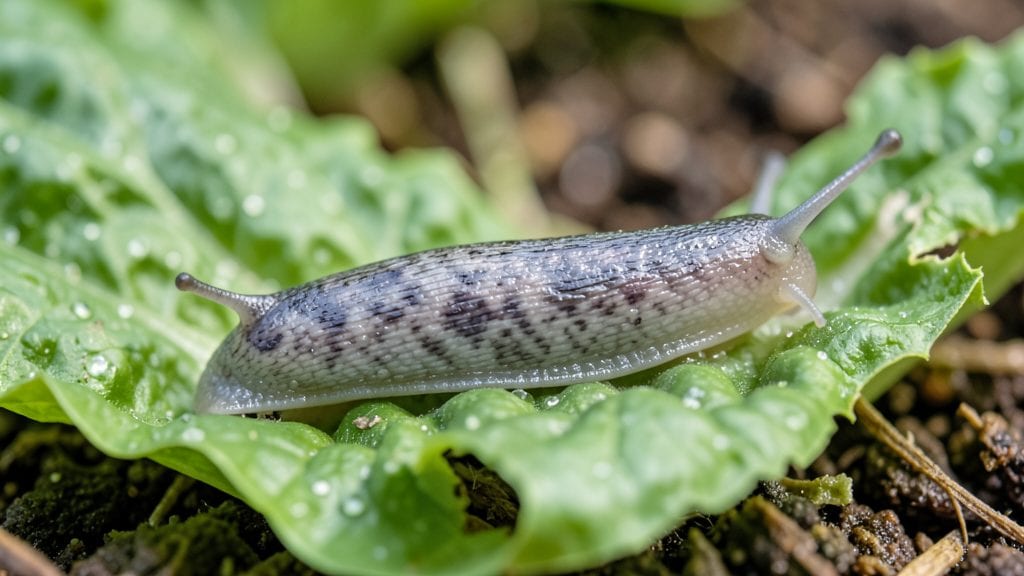
My garden slug control breakthrough came after losing an entire row of tender lettuce to those slimy invaders—until I discovered traps that actually work without harming plants or beneficial insects.
The key isn't just killing slugs; it's redirecting them to places where they won't cause damage while keeping your garden thriving. I've tested everything from beer traps to copper barriers, and these methods consistently outperform chemical sprays or salt-based solutions.
You don't need expensive equipment or toxic chemicals—just a few simple supplies you likely already have. A shallow dish with beer works surprisingly well (slugs are drawn in but drown), while copper tape creates an invisible barrier that gives them a mild electric shock they avoid.
The best part? These methods protect your soil health and keep pollinators safe while still keeping slug populations in check. My lettuce, hostas, and new seedlings now grow without becoming a slug buffet.
By morning, you'll notice fewer trails of slime on your plants, and within a week, vulnerable seedlings will show no signs of damage. The traps work best when placed near problem areas at dusk, when slugs are most active.
You'll also see fewer eggs laid in your garden beds, reducing next season's infestation. This approach isn't just effective—it's sustainable and works for both vegetable and ornamental gardens.
Works equally well in raised beds, containers, and in-ground gardens, making it adaptable to any garden size or layout. The same principles apply whether you're dealing with a few stragglers or a full-blown invasion.
Here's how to implement these slug control methods without harming your plants or the ecosystem they depend on.
Root Causes of Slug Infestations
Slugs aren’t just random pests—they thrive in gardens because of specific conditions that make your yard an all-you-can-eat buffet. Understanding these triggers helps you target the real issues, not just symptoms. Here’s why these slimy invaders show up in force:
Slugs are essentially water-loving land snails. Their bodies are over 80% water, and they can’t survive in dry conditions. Here’s why moisture attracts them:
- Overnight Dew & Rain: Slugs emerge at night when humidity spikes.
Gardens with thick mulch, dense foliage, or poor drainage retain moisture longer, creating ideal slug highways. - Irrigation Habits: Overwatering—especially late in the day—keeps soil damp for hours, signaling slugs that dinner is served. Drip irrigation near plants is a magnet because it creates a microclimate of constant dampness. - Shady, Damp Spots: Slugs avoid direct sunlight.
They hide under boards, rocks, or thick ground cover where humidity lingers. A garden with no sun exposure (especially in the morning) is a slug’s paradise.
Actionable Insight: 💡 If your garden stays soggy after rain, slugs will too. Focus on improving drainage and watering smarter (morning is best).
Slugs aren’t picky eaters, but they love tender, young plant growth—especially these favorites:
- Leafy Greens: Lettuce, kale, and cabbage are slug smorgasbords.
- Hostas & Ferns: Their broad leaves are slug magnets.
- Fruit & Veggie Crops: Tomatoes, strawberries, and squash get slobbered on.
- Decaying Organic Matter: Piles of leaves, compost heaps, or rotting wood provide both food and shelter.
Why It Works: Slugs prefer soft, moist plant tissue. A garden with unharvested fallen fruit, thick mulch, or unpruned plants gives them endless snacks. Plus, decaying matter creates the perfect humid microclimate.
Actionable Insight: 🔥 Remove garden debris regularly and avoid over-mulching near vulnerable plants.
Slugs are nocturnal, meaning they come out when you’re asleep. But their populations explode when their natural predators disappear:
- Fewer Birds & Frogs: Urban gardens often lack the birds, toads, and ground beetles that eat slug eggs and adults.
- Overuse of Broad-Spectrum Pesticides: Chemicals that kill pests also wipe out slug predators, leaving your garden wide open.
- Artificial Lighting: Outdoor lights at night attract slugs (they’re drawn to moisture under lights) and disorient predators.
Actionable Insight: ✨ Encourage predators by adding a small pond (for frogs) or leaving leaf litter in corners (for beetles).
Sometimes, we accidentally create slug paradises without realizing it:
- Wooden Decking & Mulch Piles: Slugs hide under damp wood, bricks, or thick mulch during the day.
- Compost Heaps: While compost is great, uncovered piles become slug breeding grounds.
- Planting Near Structures: Gardens adjacent to fences, sheds, or walls stay damper and darker—perfect slug real estate.
Actionable Insight: 🏗️ Store firewood away from gardens, use gravel instead of mulch near house foundations, and keep compost contained.
Slugs thrive in:
- Mild, Wet Climates: Coastal areas or regions with high humidity see year-round slug activity.
- Spring & Fall: These seasons bring cool nights and warm days, ideal for slug reproduction.
- After Wildfires or Deforestation: Disturbed soil and new plant growth attract slugs as they recolonize.
Actionable Insight: 🌡️ In dry climates, slugs may retreat deeper into soil—focus on surface barriers (like copper tape) to block their access.
Slugs don’t invade randomly—they’re responding to moisture, food, shelter, and safety. By addressing these root causes, you’re not just treating symptoms; you’re making your garden less appealing to slugs naturally.
The next section will show you how to turn these triggers into traps and deterrents that work without harming your plants.
Quick Fixes for Slug Havoc
Slugs are sneaky pests, but with the right strategies, you can reclaim your garden without resorting to harmful chemicals. Below are practical, plant-safe solutions tailored to the most common causes of slug infestations—plus prevention tips to keep them at bay for good.
Slugs thrive in damp conditions, so if your garden stays soggy, they’ll stick around like uninvited guests at a buffet.
How to Fix It:
- 🔥 Reduce Watering: Water early in the morning so soil dries by evening. Avoid overhead sprinklers that leave puddles.
- 🍳 Improve Drainage: Amend heavy clay soil with compost or sand to help it drain faster. Raised beds also work wonders.
- 👨🍳 Use Mulch Strategically: Apply gravel or coarse wood chips (not fine mulch) around plants to deter slugs while keeping moisture in check.
💡 Pro Tip: If you must water at night (e.g., for drought-prone plants), use drip irrigation instead of sprinklers to minimize slug-friendly dampness.
Slugs are attracted to tender, moist plants—especially young seedlings, lettuce, and hostas.
How to Fix It:
- 🥘 Set Beer Traps: Bury a shallow dish (like a yogurt cup) filled with beer or stale yeast water near infested areas. Slugs crawl in and drown—naturally!
- 🔪 Use Copper Barriers: Slugs hate copper’s electric-like charge. Bend copper tape around pots or garden beds to create a no-slip zone.
- ⏰ Handpick at Night: Grab a flashlight and gloves (slugs leave a slimy trail—follow it!). Drop them in soapy water or relocate them far from your garden.
🌡️ Prevention Tip: Plant slug-resistant crops like marigolds, thyme, or geraniums near vulnerable plants. Their strong scents repel slugs.
Slugs love dark, humid hiding spots—think dense mulch, piles of debris, or leaf litter.
How to Fix It:
- 🌞 Increase Sunlight: Trim overgrown plants to let more sunlight reach the soil. Slugs avoid dry, sunny areas.
- 🎯 Clear Debris: Remove board mulch, thick leaf layers, or rocks where slugs nest. Replace with chopped straw or pine needles, which dry out faster.
- ✨ Add Predators: Encourage ground beetles, frogs, or birds by keeping a wildlife-friendly garden with logs and rocks (just keep them away from slug hotspots).
💡 Pro Tip: Sprinkle diatomaceous earth (food-grade) lightly around plants. It’s a natural abrasive that dehydrates slugs—but wear a mask when applying!
After heavy rain, slugs multiply fast. If your garden floods often, they’ll move in en masse.
How to Fix It:
- 📊 Build a Slug-Proof Border: Create a 1-inch-wide barrier of sharp sand or crushed eggshells around beds. Slugs won’t cross it!
- 🥗 Use Coffee Grounds: Sprinkle used coffee grounds (from your kitchen!) around plants. The caffeine is toxic to slugs but harmless to plants.
- 🍎 Plant Trap Crops: Grow lettuce or cabbage in a separate "slug trap" bed far from your main garden. Check it daily and dispose of slugs.
🔥 Prevention Tip: After rain, rake soil gently to expose slugs to sunlight and predators.
Final Thought: Slug control is all about disrupting their comfort zone—dry soil, fewer hiding spots, and no easy meals. Try one or two of these methods, and you’ll see a difference in days! 🚀
Frequently asked questions
Are beer traps effective for garden slug control?
Yes! Beer traps work because slugs are attracted to the yeast and alcohol. Use a shallow container (like a yogurt cup) filled with beer or stale yeast water, bury it slightly, and place it near problem areas. The slugs crawl in and drown—no chemicals needed. Refresh the beer every 2-3 days for best results.
Can copper tape really stop slugs from entering my garden?
Slugs have a natural aversion to copper because it gives them a mild electric shock when they touch it. Wrap copper tape around pots, raised beds, or create a border—slugs will avoid crossing it. This method is chemical-free and works for years once installed.
What’s the best time of day to check for slugs?
Early morning or late evening are the best times. Slugs are most active at dusk and dawn when humidity is high. Use a flashlight to spot their slimy trails—follow them to find hiding spots or feeding areas. Handpick them then or set traps nearby.
Are coffee grounds safe to use around plants?
Yes, used coffee grounds are a great natural deterrent! The caffeine is toxic to slugs but harmless to plants. Sprinkle them lightly around the base of vulnerable plants (like lettuce or hostas). They also add nitrogen to the soil as they decompose.
Will diatomaceous earth harm beneficial insects like bees?
Food-grade diatomaceous earth is safe for bees and other pollinators as long as it’s applied correctly. Avoid using it during active pollination periods (like when flowers are open). Apply it lightly in a 1-inch band around plants, and reapply after rain—it loses effectiveness when wet.