
Tools
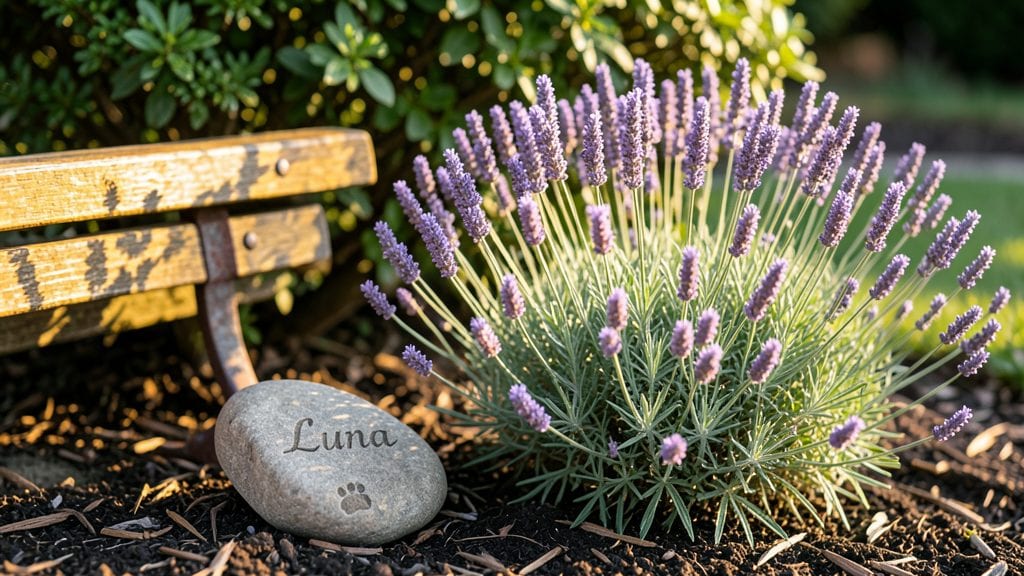
Creating a memorial pet garden turns grief into something alive and beautiful. 🌿 I’ve designed these spaces for friends who lost beloved pets, and each one becomes a quiet place to remember—where sunlight filters through favorite flowers and the air smells like spring.
The key isn’t perfection; it’s choosing plants and touches that feel like your pet’s personality lived on in the garden.
Start with pet-safe plants like lavender (bees love it, and it’s tough as nails) or sunflowers (bright, cheerful, and easy to grow). Add a custom stone with your pet’s name or paw prints—local landscapers can engrave them for a lasting touch.
Durability matters too: opt for weather-resistant materials like slate or bronze, so the garden stays beautiful through rain and snow.
You’ll end up with a space that feels like a hug from your pet—soft to sit in, fragrant to remember by, and full of life that outlasts the hardest days.
Maintenance is simple: trim plants in early spring, replace mulch yearly, and add seasonal blooms like marigolds to keep it vibrant. Every visit becomes a little celebration of their love.
This works for any yard size, from a corner of your patio to a full garden bed. The most meaningful memorials aren’t about scale—they’re about intention. Let’s make something that honors their memory in a way that feels right for you.
📚 In This Guide
- What you need
- Instructions
- Tips and common mistakes
- Wrapping up and next steps
What you need
- ● Soil: 2–5 cubic yards of high-quality garden soil or potting mix (depending on garden size). Opt for organic, well-draining soil to support plant health.
- ● Plants: Perennials (e.g., lavender, roses, or coneflowers) – 3–6 plants for a small garden, more for larger spaces.
- ● Pet-safe flowers (e.g., sunflowers, marigolds, or snapdragons) – 5–10 plants for color and pollinator appeal.
- ● Herbs (e.g., basil, thyme, or rosemary) – 3–5 plants for sensory remembrance.
- ● Grass or ground cover (e.g., clover or creeping thyme) – Enough to fill gaps between plants.
- ● Memorial elements: Pet urn or cremation container (if burying ashes).
- ● Personalized plaque or engraved stone (e.g., pet’s name, dates, or a short message).
- ○ Optional: Wind chimes, solar lights, or a small bench for reflection.
- ● Basic tools: Garden trowel (for planting small items).
- ● Shovel (for digging larger holes or mixing soil).
- ● Pruners (for trimming plants).
- ● Garden gloves (to protect your hands).
- ○ Optional upgrades: Wheelbarrow (for moving soil or plants).
- ● Hose with nozzle or watering can (for hydration).
- ● Mulch (e.g., pine straw or shredded bark) – 2–3 bags to retain moisture.
- ● Measuring tape (to ensure even spacing).
- ● Sunlight assessment: Ensure your garden spot gets at least 4–6 hours of sunlight daily (adjust plants based on shade tolerance).
- ● Water source: Easy access to water (e.g., garden hose or nearby spigot).
- ● Pet safety check: Verify all plants are non-toxic to pets (avoid lilies, azaleas, or oleander).
- ● Local regulations: Check if your area requires permits for burying ashes or installing permanent structures.
Step-by-step instructions for designing a memorial pet garden
Creating a peaceful memorial garden for your pet starts with thoughtful planning and heartfelt touches.
🌱 Step 1: Select a Quiet, Sunlit Spot
Choose a location that feels special—somewhere your pet loved to visit or rest. A spot with 4-6 hours of sunlight daily works best, as most memorial plants thrive in moderate light. Avoid areas with strong winds that could scatter decorations or disturb the soil over time.
I like to test a few locations over a week, noting how the light shifts. Early morning sun with afternoon shade often creates the most serene atmosphere. If your yard is mostly shady, opt for shade-tolerant plants like hostas or ferns—they'll still grow beautifully while honoring your pet's memory.
🪴 Step 2: Design the Layout with Meaningful Elements
Sketch a simple design on paper, keeping it personal. Include a small engraved stone with your pet's name, a favorite plant they loved (like lavender for calming scents or sunflowers for joy), and a comfortable seating area where you can sit and remember. For a 4-person memorial, plan a 4-foot diameter central area with surrounding paths.
I always add a water feature—even a small tabletop fountain—because the sound of water creates such peaceful energy. If space is limited, a wind chime or solar-powered garden light can serve the same purpose. Place these elements where you'll naturally gather when visiting the garden.
☀️ Step 3: Plant Long-Lasting, Low-Maintenance Memorial Plants
Select plants that symbolize remembrance—roses for love, daisies for innocence, or marigolds for passion. For durability, choose perennials that return year after year, like Russian sage or coneflowers, so the garden stays vibrant without constant upkeep. Avoid annuals unless you plan to replant them annually.
Dig holes twice as wide as the root ball but only as deep as the container's base. Gently remove plants from their pots, loosen tangled roots, and place them in the soil so the top of the root ball sits level with the ground. Water deeply after planting to help roots settle—you'll see new growth within 2-3 weeks if the soil stays moist.
✂️ Step 4: Add Personal Touches and Maintenance Tips
Incorporate items that reflect your pet’s personality—a favorite toy buried in the soil, a custom bench with their name, or scented plants like mint or lemon balm that remind you of them. I also like to add a small plaque with a short poem or quote about pets, like "Every pet has its day" or "Forever in our hearts."
To keep the garden thriving, water deeply once a week (more in hot weather) and mulch annually to retain moisture. Trim spent blooms regularly to encourage new growth, and check the stone or plaque every few months to ensure it’s still secure. This way, your memorial garden stays a living tribute for years to come.
Tips & tricks for perfect memorial pet garden design
A few thoughtful touches can transform your memorial garden from ordinary to extraordinary. Here's what I've learned after creating gardens for loved ones.
Location is Everything: When selecting your 4-6 hours of sunlight spot, consider how the light changes throughout the day. Morning sun with afternoon shade often creates the most peaceful atmosphere. I test locations for a week first—trust me, you'll notice how different spots feel at different times of day. If your yard is mostly shady, shade-tolerant plants like hostas will still grow beautifully while honoring your pet's memory.
Design with Symbolism: The 4-foot diameter central area for a 4-person memorial should include elements that reflect your pet's personality. I always add a small engraved stone with their name as the centerpiece—it becomes the focal point for visitors. For a personal touch, consider burying a favorite toy or adding a custom bench with their name engraved. These details make the garden uniquely theirs.
Planting Perennials Pays Off: Those 2-3 weeks of waiting for new growth after planting are worth it when you see your memorial garden thrive year after year. Focus on perennials like Russian sage or coneflowers—they'll return annually without constant replanting. Dig holes twice as wide as the root ball but only as deep as the container's base, and water deeply right after planting. This gives roots the best chance to settle in and establish themselves.
Maintenance Made Simple: The once-a-week deep watering and annual mulching routine keeps your garden thriving with minimal effort. I set a reminder on my phone for the weekly watering to ensure consistency. For the engraved stone and plaque, I check them every few months—this prevents them from becoming loose or buried over time. A little regular attention keeps everything secure and meaningful.
Pro Tips for Memorial Pet Garden
- A few thoughtful touches can transform your memorial garden from ordinary to extraordinary.
- Location is Everything: When selecting your 4-6 hours of sunlight spot, consider how the light changes throughout the day.
- Design with Symbolism: The 4-foot diameter central area for a 4-person memorial should include elements that reflect your pet's personality.
Frequently asked questions
Planning a memorial pet garden is a heartfelt way to honor your beloved companion, but it’s natural to have questions along the way. Here are some of the most common inquiries—and their answers—to help you create a meaningful space.
What’s the best time of year to plant a memorial pet garden?
The ideal time depends on your climate, but spring or early fall are typically best. These seasons offer mild temperatures, allowing plants to establish roots without stress. If you’re in a warmer region, avoid peak summer heat. For perennials, planting in fall gives them a head start for the next growing season!
How do I choose plants that feel meaningful but are also low-maintenance?
Opt for native plants or drought-tolerant species like lavender, sunflowers, or ornamental grasses—they thrive with minimal care. Avoid high-maintenance varieties unless you’re prepared for upkeep. Consider pet-safe plants too, like marigolds or rosemary, to keep the space welcoming for future visitors (including furry ones!).
Do I need a professional landscaper, or can I DIY this project?
you can DIY! Many memorial gardens start small—even a single planter or a few potted plants can be deeply meaningful. Tools like a spade, mulch, and decorative stones are all you need for a basic setup. If you’re unsure about layout or drainage, free online templates or local gardening groups can offer great advice.
How long does it take for a memorial pet garden to feel “complete”?
That’s a personal timeline! Some gardens feel complete after a few weeks of planting, while others evolve over months. Focus on stages: start with a central memorial (like a plaque or engraved stone), then add plants gradually. Seasonal changes will transform the space, making it feel ever-more alive with time.
What if I don’t have outdoor space? Are there alternatives?
No outdoor space? No problem! Create a container garden on a balcony, windowsill, or even indoors with herbs or succulents. You could also design a digital memorial garden using apps like Eternal Garden, where you plant virtual trees in honor of your pet. Even a small indoor plant with a handwritten note can hold deep meaning.
Wrapping up and next steps
A memorial pet garden is more than just a space—it’s a heartfelt tribute that blends nature, love, and lasting beauty. By thoughtfully selecting plants, materials, and personal touches, you can create a serene sanctuary that honors your beloved pet while bringing comfort to your heart. 🌿❤️
Ready to turn memories into a living legacy? Start small—whether it’s a single planter or a full garden—and let your love for your pet grow alongside the blooms. Your next step? Sketch a design, gather supplies, and begin planting with intention.
Every shovel of soil is a step closer to honoring their spirit in the most meaningful way.