Landscaping
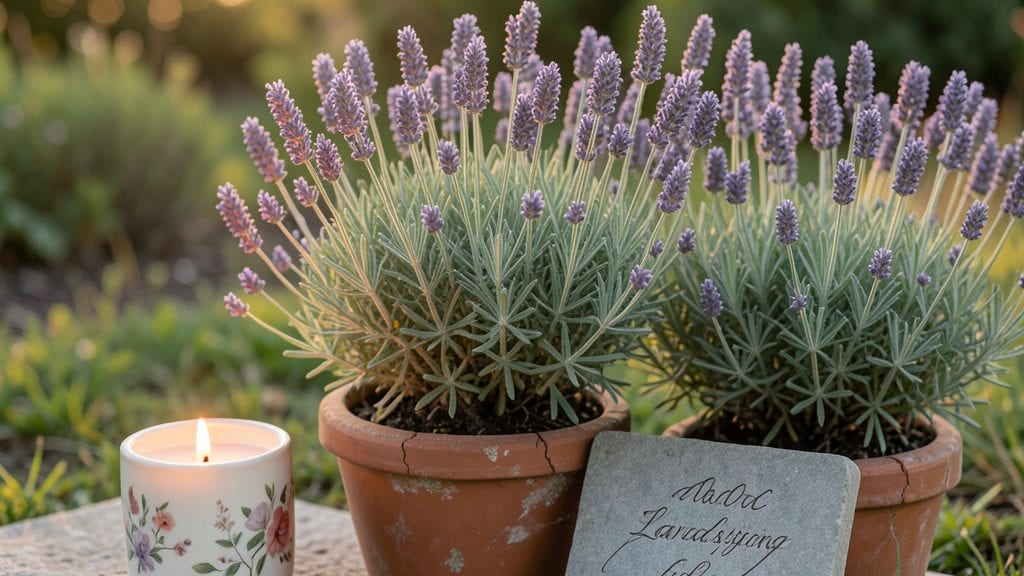
A memorial garden design becomes a living tribute when every plant tells a story. I learned this the hard way after designing my own—what started as a blank space turned into a sanctuary where sunlight filters through weeping willows and lavender releases its calming scent on summer evenings.
The right plants anchor the space in meaning while keeping care manageable.
Think evergreens like boxwoods for year-round structure, perennials such as coneflowers for seasonal color, and fragrant herbs like rosemary that connect to shared memories. Durability matters too—opt for drought-tolerant varieties if you live in dry climates or native plants that thrive with minimal fuss.
A simple gravel path or flagstone walkway invites quiet reflection without demanding upkeep.
You’ll create a place where visitors can sit, remember, and even help with seasonal tasks like pruning or weeding—turning grief into gentle care. The bench becomes a focal point, surrounded by plants that bloom at different times, ensuring the garden stays vibrant through all four seasons.
Every element, from engraved stones to handwritten quotes, becomes part of the living legacy.
This design works for any space, whether it’s a corner of your backyard or a small urban plot. The key is balancing beauty with practicality, so the garden remains a source of comfort for years to come. Let’s bring these ideas to life with plants that honor and endure.
📚 In This Guide
- What you need
- Instructions
- Tips and common mistakes
- Wrapping up and next steps
What you need
- ● Soil & Mulch: Topsoil (2–4 cubic yards, depending on garden size)
- ● Organic mulch (3–5 bags, 2–3 cubic feet each)
- ● Plants: Perennials (e.g., lavender, roses, or hostas—5–10 plants)
- ● Shrubs (e.g., boxwood or hydrangeas—3–5 plants)
- ● Trees (e.g., weeping willow or magnolia—1–2, depending on space)
- ○ Wildflowers or ground cover (optional but adds texture)
- ● Hardscaping: Gravel or decomposed granite (1–2 tons for pathways)
- ● Pavers or stepping stones (quantity based on walkway length)
- ● Benches or seating (1–2, weather-resistant wood or metal)
- ● Decorative Elements: Memorial plaques or engravings (1–3, customizable)
- ● Lanterns or solar lights (5–10 for ambient lighting)
- ○ Wind chimes or decorative stones (optional for ambiance)
- ● Shovel & spade (for digging)
- ● Garden trowel (for planting)
- ● Wheelbarrow (for transporting soil/mulch)
- ● Pruners & shears (for shaping plants)
- ● Level & measuring tape (for precision)
- ● Safety gear (gloves, knee pads, dust mask)
- ○ Optional: String line (for marking layouts), post-hole digger (for stakes)
- ● Check local regulations for permits (especially for large structures or water features).
- ● Test soil pH (kits available at garden centers) to match plants’ needs.
- ● Plan for drainage—ensure the area isn’t prone to flooding.
- ● Budget tip: Start small and expand over time with seasonal additions!
Instructions for designing a meaningful memorial garden
Creating a space that honors loved ones starts with intentional layers—each plant and path telling part of their story.
Choose a Focal Point to Anchor the Space
Begin with a central element that reflects the person you're memorializing. This could be a stone bench (if included in your materials), a small statue or sculpture, or even a planted tree if you have one in your list. Place it where it feels most natural—often where sunlight filters through gently or where you'll sit when visiting. I like to position mine slightly off-center to create balance without rigidity.
Surround the focal point with low-growing perennials like lavender or creeping thyme. These plants stay green year-round, offering quiet beauty even in winter. If you have a small shrub, place it just behind the focal point to add depth without overwhelming the space. The key here is to create a sense of permanence—something that feels like it's always been there and will always remain.
Layer Plants by Height and Seasonal Interest
Start with the tallest elements at the back, working downward to create natural tiers. If you have a tall ornamental grass, position it along a fence or wall to add vertical interest. Behind it, plant medium-height shrubs like hydrangeas or boxwoods to fill the middle layer. These will provide structure and color shifts throughout the seasons.
In the foreground, use low-growing flowers or ground covers like pansies or ajuga. These add texture and color while keeping the space inviting. I always include at least one plant that blooms in each season—spring for tulips, summer for coneflowers, and fall for mums. This ensures the garden remains vibrant and full of life, even when you're not actively tending it.
Incorporate Personal Touches and Pathways
If your materials include a gravel path or stepping stones, arrange them to guide visitors through the garden naturally. A winding path encourages reflection and exploration, while a straight line might feel more formal. Place small markers or plaques along the path if you have them—these can include names, dates, or short inscriptions that feel meaningful to you.
Add personal elements like a wind chime, bird feeder, or favorite flower variety of the person being honored. These details make the garden uniquely yours. I once included a small birdbath in a memorial garden for a loved one who adored birds—now it’s a hub of activity and joy. Even the simplest additions, like a favorite color in the flowers, can make the space feel deeply personal.
Add Lighting and Final Touches for Evening Visits
If your materials include solar-powered garden lights or lanterns, place them along the path or near the focal point. These create a soft glow in the evening, making the garden feel welcoming even after dark. I like to position them at varying heights—some near the ground and others on posts—to add dimension. Test their placement during the day to ensure they illuminate the space beautifully when night falls.
Finally, add mulch or decorative stones around the base of plants to suppress weeds and keep the garden looking neat. This is also a great time to add any final decorative elements, like a small fountain or water feature if included. The goal is to create a space that feels complete—somewhere you can sit, reflect, and feel close to the memories you're honoring.
Tips & tricks for designing a meaningful memorial garden
Here's what I've learned from creating these spaces over the years—small details that make all the difference in honoring someone's memory.
Focal Point Placement: In Step 1, when choosing your focal point, consider the natural light patterns in your space. I've found that positioning the bench or statue where morning sunlight filters through creates a peaceful atmosphere for early morning visits. This subtle lighting can make the space feel even more sacred during quiet reflection times.
Seasonal Layering Strategy: For Step 2, think beyond just visual appeal—include plants that offer sensory experiences. For example, lavender provides fragrance, while creeping thyme offers texture underfoot. I always include at least one plant that has interesting foliage even when not in bloom, like ornamental grasses that rustle gently in the breeze.
Pathway Psychology: When arranging your gravel path or stepping stones in Step 3, consider the emotional journey you want visitors to experience. A gentle curve encourages contemplation, while a straight path might feel more formal and dignified. I've seen winding paths create natural stopping points where visitors pause to reflect—this can be especially meaningful if you place a small plaque at one of these spots.
Lighting Layering: For Step 4, don't limit yourself to just the path. I recommend placing some solar-powered lights at ground level near the focal point to create a soft pool of light that draws the eye upward. This technique makes the garden feel more inviting during evening visits and creates a sense of depth in the space.
Pro Tips for Memorial Garden Design
- Here's what I've learned from creating these spaces over the years—small details that make all the difference in honoring someone's memory.
- Focal Point Placement: In Step 1, when choosing your focal point, consider the natural light patterns in your space.
- Seasonal Layering Strategy: For Step 2, think beyond just visual appeal—include plants that offer sensory experiences.
Frequently asked questions
Got questions about creating a meaningful memorial garden? Here are some of the most common concerns—and their answers—to help you design a space that honors loved ones with intention and beauty.
What’s the best time of year to plant a memorial garden?
The ideal time depends on your climate, but spring or early fall are typically best. Spring allows plants to establish roots before summer heat, while fall planting gives them time to settle before winter. In warmer regions, avoid peak summer months when drought stress can harm new plantings. Check local frost dates for guidance!
How do I incorporate personal touches without overcrowding?
Balance is key! Start with a central focal point (like a bench, statue, or engraved stone) and layer in meaningful elements around it. Use symbolic plants (e.g., roses for love, lavender for remembrance) and subtle details like custom signage or wind chimes. Keep pathways clear for easy maintenance and reflection.
Are there low-maintenance plant options for a memorial garden?
Opt for drought-tolerant perennials (e.g., sedum, ornamental grasses) and native plants that thrive in your region. Add mulch to retain moisture and suppress weeds. Evergreens (like boxwood or juniper) provide year-round structure with minimal upkeep. A mix of textures and heights reduces the need for frequent trimming.
How long does it take for a memorial garden to "feel" complete?
This varies, but many gardeners find the space emotionally complete within 6–12 months as plants mature and layers (like flowers or seasonal blooms) develop. Start with a core design (e.g., a focal tree or stone) to create instant impact, then add phases over time. The process itself can be part of the healing journey!
What if I don’t have a green thumb? Can I still create one?
Begin with hardy, low-maintenance plants and consider hiring a landscaper for initial design and planting. Use self-watering systems or drought-resistant species to reduce effort. Many memorial gardens thrive with minimal intervention—focus on the meaning behind each choice, not perfection.
Wrapping up and next steps
A memorial garden isn’t just a space—it’s a living tribute that honors loved ones while bringing peace to those who visit. By blending personal touches, symbolic plants, and mindful design, you create a sanctuary that evolves with seasons and memories.
Whether you’re just starting or refining an existing garden, every thoughtful choice adds depth to the legacy you’re crafting.
Ready to bring your vision to life? Start small—sketch a rough layout, gather a few key plants, or even just plant a single tree as a first step. The most meaningful gardens grow from heart, not perfection. 🌱✨