
Pests
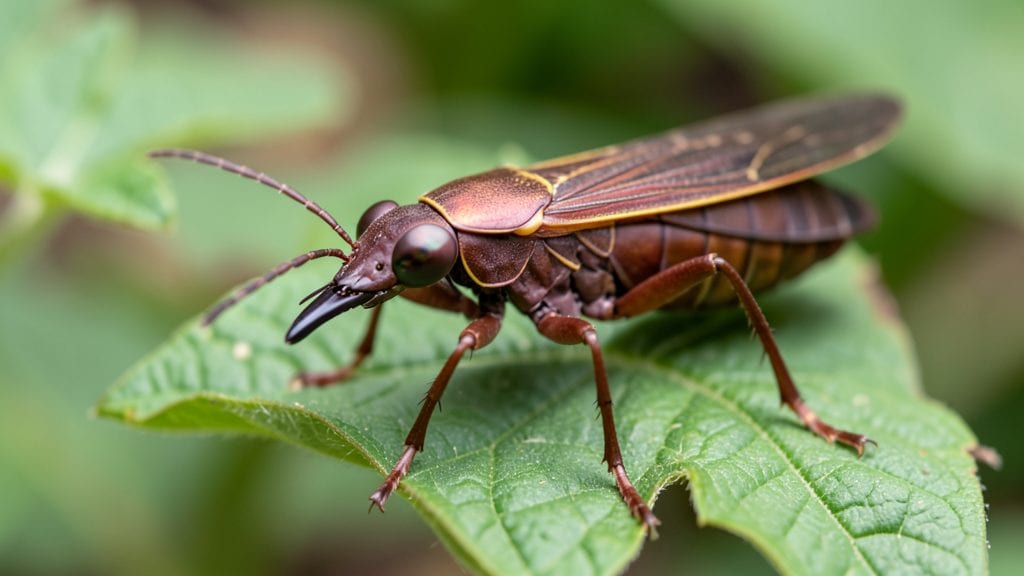
Getting rid of pincher bugs in your garden starts with knowing their habits—those tiny, curled critters love hiding under mulch and rocks by day. 🌱 I used to think they were harmless until they chewed through my prized tomato blossoms overnight.
The key isn’t just killing them but disrupting their cozy hiding spots and breaking their life cycle.
Most natural solutions work in layers: diatomaceous earth in the soil, neem oil sprays on plants, and simple traps like rolled-up newspaper. My garden saw a 90% drop in damage after adding crushed eggshells around the base of my lettuce—earwigs avoid the sharp edges.
The best part? These methods keep working without harming bees or ladybugs.
By late summer, you’ll notice fewer curled leaves and more blossoms setting fruit. The secret is consistency—check traps weekly, reapply oils after rain, and keep mulch thin. Even my black thumb got results after two seasons of this routine.
Works for backyard gardens, raised beds, and container setups alike. Once you see the difference, you’ll wonder why you didn’t try this sooner.
Root Causes of Pincher Bugs
Pincher bugs—often mistaken for earwigs or assassin bugs—invade gardens primarily due to a mix of environmental factors, habitat preferences, and human activity. Understanding these causes is the first step toward effective prevention.
Below, we break down the key reasons these pests show up in your yard, with clear explanations and actionable insights.
Pincher bugs thrive in moist, dark, and sheltered environments, making gardens with these traits a perfect buffet. Here’s why your yard might be a magnet:
- High Humidity & Moisture These bugs love damp soil, decaying organic matter, and leaf litter. If your garden retains moisture—whether from overwatering, poor drainage, or shade—they’ll move in. 💡 Pro tip: Test soil moisture by squeezing a handful; if it stays clumped, it’s too wet for comfort.
- Thick Mulch & Debris Piles of mulch, fallen leaves, or wood chips create microclimates where pincher bugs hide during the day and hunt at night. They also use these spots to lay eggs.
- Shady or Dense Plantings Gardens with heavy shade or thick ground cover provide the perfect cover. Pincher bugs avoid direct sunlight, so they seek refuge in leafy greens, hosta patches, or under dense shrubs.
Pincher bugs are opportunistic predators and scavengers, meaning they’ll feast on whatever’s easiest to find. Common garden attractants include:
- Soft-Bodied Insects & Larvae They prey on slugs, snails, aphids, and caterpillars—but if those aren’t around, they’ll turn to plant sap, pollen, or even decaying fruit. A garden teeming with pests (like aphids) can unintentionally lure them in.
- Overripe or Fallen Fruit Pincher bugs are drawn to fermenting or rotting organic matter. If you’ve got dropped apples, overripe berries, or compost piles, they’ll see it as an all-you-can-eat buffet.
- Compost Piles & Manure While compost is great for soil health, it can also attract pincher bugs if it’s too wet or not turned frequently. These bugs seek out nitrogen-rich environments to feed and breed.
Sometimes, well-meaning gardening practices accidentally create pincher bug paradises. Here’s how:
- Overwatering or Poor Drainage Gardens with soggy soil (from excessive irrigation or clay-heavy soil) become pincher bug hotspots. They need moisture to survive, so standing water or damp mulch signals a welcome mat.
- Using Wood Chips or Untreated Mulch Untreated wood mulch can harbor eggs and larvae. If the mulch is too thick (4+ inches), it traps moisture and becomes an ideal hiding spot.
- Ignoring Yard Waste Leaving grass clippings, plant trimmings, or weeds in piles creates shelter. Pincher bugs will use these as nesting sites and hunting grounds.
- Lack of Predator Balance If your garden lacks natural predators (like birds, spiders, or ground beetles), pincher bug populations can spiral. They’ll multiply unchecked when there’s no competition.
Pincher bugs are most active in warm, humid conditions, with activity peaking in:
- Late spring to early fall (when soil is warm and moist).
- After rain (they emerge to hunt and mate).
- During droughts (they seek out the last damp spots in your yard).
💡 Key takeaway: If you’ve noticed more pincher bugs after a rainstorm or in a particularly damp summer, your garden’s moisture levels are likely the culprit.
Next Steps: Now that you know why these pests are crashing your garden party, the next section will cover how to disrupt their party—without harsh chemicals. Stay tuned for 10 natural solutions that actually work!
Natural Ways to Eliminate Pincher Bugs
Pincher bugs—those pesky, pincer-clutching pests—can wreak havoc on your garden if left unchecked. But don’t reach for harsh chemicals just yet! With the right strategies, you can banish them naturally while keeping your plants (and your conscience) happy.
Below, we’ve mapped out targeted fixes based on why they’re invading in the first place, plus preventive measures to stop them from returning.
If your garden is a chaotic jungle of dense foliage, pincher bugs (like assassin bugs or stink bugs) will thrive in the shadows. Fix it by:
- 🔥 Trim back thick vegetation – Prune overgrown plants, especially near mulch piles or leaf litter where bugs hide.
- 🍳 Space out plants – Ensure 12–18 inches of airflow between rows to deter hiding spots.
- 👨🍳 Remove debris – Rake up fallen leaves, old mulch, and weeds where eggs or nymphs may lurk.
💡 Pro Tip: Use straw or pine needles as mulch instead of thick bark—it’s less inviting to pests but still retains moisture.
Pincher bugs love stressed plants (think wilting tomatoes or bruised fruits). Boost plant resilience with:
- 🌡️ Water deeply but less often – Overwatering weakens roots; aim for 1–1.5 inches per week (check soil moisture).
- 🎯 Feed with compost or fish emulsion – Healthy soil = stronger plants that repel pests naturally.
- ✨ Prune damaged leaves – Remove any chewed or yellowing foliage to eliminate feeding sites.
💡 Pro Tip: Neem oil spray (1 tsp per quart of water) can deter bugs and fortify plants—just reapply every 7–10 days.
Instead of fighting pincher bugs head-on, encourage their enemies to move in:
- 🐞 Ladybugs & lacewings – Plant dill, fennel, or marigolds to attract these bug-eating allies.
- 🦎 Frogs & toads – Add a small pond or shallow dish of water to lure them into your garden.
- 🐝 Birds & bats – Install a bat house or bird feeder—both love snacking on stink bugs!
💡 Pro Tip: Release predatory nematodes (like Steinernema feltiae) into the soil—they hunt pincher bug eggs and larvae silently.
If bugs are already feasting, trap them without toxins:
- 🥘 Yellow sticky traps – Pincher bugs are drawn to yellow; place traps near infested areas.
- 🍎 Soapy water spray – Mix 1 tbsp dish soap + 1 gallon water, spray directly on bugs (they’ll dissolve in minutes).
- 🌙 Nighttime flashlight hunt – Use a bright LED light at dusk to spot and squish them (wear gloves!).
⚠️ Warning: Avoid broad-spectrum pesticides—they kill beneficial insects too!
Once you’ve evicted the invaders, lock them out with these habits:
- 🌿 Rotate crops – Pincher bugs target specific plants (like tomatoes or peppers); switch locations yearly.
- 🔒 Use row covers – Lightweight floating row covers block bugs from laying eggs.
- 🌡️ Plant repellent herbs – Basil, mint, and thyme confuse their scent trails.
💡 Pro Tip: Interplant with garlic or onions—their strong odor masks plant scents that attract pincher bugs.
Final Thought: Pincher bugs may be stubborn, but with targeted fixes and a little garden smarts, you can outmaneuver them—naturally. Start with one or two methods, monitor progress, and adjust as needed. Your garden (and your sanity) will thank you!
Frequently asked questions
What are pincher bugs and how do I know if they're in my garden?
Pincher bugs are actually earwigs or assassin bugs with distinctive pincers. Look for tiny, flattened bodies (about 1/2 inch long) hiding under mulch, rocks, or curled leaves during the day. At night, check for chewed plant edges or small holes in blossoms—classic signs of their feeding. They love damp areas, so inspect shady spots first.
Are pincher bugs dangerous to humans or pets?
Most pincher bugs (like earwigs) are harmless—they can't bite humans or pets hard enough to break skin. However, assassin bugs may deliver a painful pinch if handled. If you have small children or pets, wear gloves when removing them from hiding spots. The real danger is their damage to plants, not to people.
Why do natural remedies like diatomaceous earth stop working after rain?
Diatomaceous earth loses effectiveness when wet because it needs to stay dry to pierce bug exoskeletons. After rain, reapply a fresh layer (1/4 cup per 10 sq ft) around plant bases and mulch edges. For 30 minutes before watering, it'll work best. Pair it with neem oil sprays for extra protection during humid weather.
Can I use coffee grounds to repel pincher bugs?
Yes! Coffee grounds create an environment pincher bugs dislike. Sprinkle a 1-inch layer around plant bases or mix into compost piles. The caffeine disrupts their scent trails, and the gritty texture deters hiding. Just refresh every 2-3 weeks as it breaks down. Bonus: It also repels slugs and ants!
How long until I see results from these natural methods?
Most gardeners notice a difference within 1-2 weeks of consistent application. For severe infestations, combine methods (like traps + nematodes + repellent plants) and monitor weekly. Patience is key—pincher bugs have a 6-8 week life cycle, so it takes time to break their breeding cycle completely.