Pests
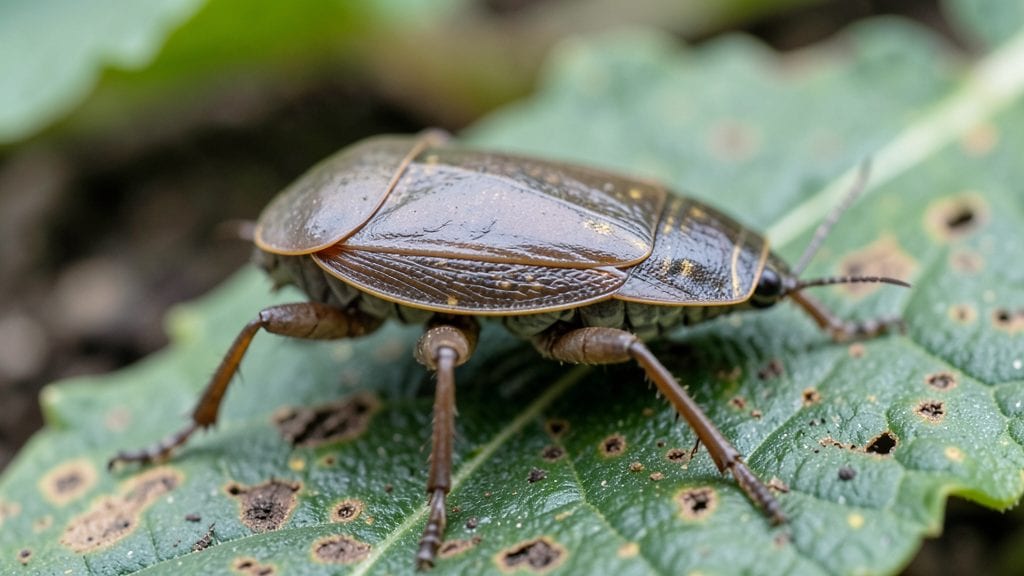
Learn how to get rid of squash bugs in the garden before they ruin your harvest—neem oil is your secret weapon, and I’ll show you exactly how to use it. 🌿 I’ve lost entire rows of zucchini to these shield-backed invaders, but this spray method—applied at the right time—stops them in their tracks by suffocating eggs and adults alike.
The key is timing: spray neem oil in early morning or late evening when bugs are sluggish, and repeat every 5-7 days until no more eggs appear. You’ll also need to hand-pick adults (they hide under leaves) and destroy them in soapy water—no mercy.
The best part? This works on cucumbers, pumpkins, and melons too, not just squash.
Within two weeks, you’ll see fewer adults and no new egg clusters on leaf undersides. The plants recover faster, and your harvest stays thick, healthy, and pest-free. Just don’t skip the follow-up sprays—these bugs are persistent, but you’re smarter now.
For long-term defense, mulch heavily with straw and introduce beneficial nematodes to the soil. It’s not instant, but it’s the difference between one bad year and five great ones. Let’s get those bugs off your plants for good.
Root Causes of Squash Bug Infestations
Squash bugs (Anasa tristis) are a relentless nuisance for gardeners growing cucurbits like squash, pumpkins, and zucchini. Understanding why these pests invade your garden is the first step in preventing and eliminating them.
Below, we break down the key reasons these bugs show up in your plants—and how their behavior makes them so hard to control.
Squash bugs are specialized feeders that target plants in the Cucurbitaceae family, including squash, pumpkins, cucumbers, and melons. Their attraction stems from:
- Volatile organic compounds (VOCs): These plants release chemical signals (like cucurbitacins) that squash bugs detect from miles away. Think of it like a scent trail leading them straight to your garden.
- Soft, sap-rich leaves: Squash bugs prefer tender, young foliage because it’s easy to pierce with their stylet mouthparts, allowing them to suck out nutrients without resistance.
- Moisture retention: Healthy cucurbit plants hold moisture well, making them ideal hosts for squash bugs, which thrive in humid conditions.
Actionable insight: If you’re growing squash or pumpkins, these bugs will find them—it’s their primary food source. The key is to disrupt their life cycle before they establish a colony.
Squash bugs are perennial pests, meaning they don’t die off in winter—they hide and wait. Their survival tactics make them persistent year after year:
- Adults seek shelter: In late fall, mature squash bugs crawl into garden debris, leaf litter, or the soil to hibernate. They can survive freezing temperatures if protected.
- Eggs overwinter in protective capsules: Female squash bugs lay eggs in foamy, wedge-shaped masses on the undersides of leaves or stems. These egg clusters are extremely resilient—they can withstand frost and dry conditions, hatching when temperatures rise in spring.
- Short generation time: A single female can lay up to 300 eggs in her lifetime, and eggs hatch in as little as 10–14 days under warm conditions, leading to multiple generations per season.
Actionable insight: Because squash bugs overwinter so effectively, clean garden debris in fall and inspect plants for egg masses. Even a few surviving adults or eggs can restart an infestation the next season.
Squash bugs don’t just show up randomly—they’re drawn to specific environmental factors that create the perfect breeding ground:
| Factor | Why It Matters | How to Disrupt It |
|---|---|---|
| 🌞 Warm, humid weather | Squash bugs thrive in temperatures between 70–90°F (21–32°C). High humidity keeps their eggs from drying out and speeds up their life cycle. | Use mulch to regulate soil moisture but avoid overwatering, which increases humidity around plants. |
| 🌧️ Heavy morning dew | Dew provides moisture that squash bugs need to feed and reproduce. It also makes plants more susceptible to their piercing-sucking damage. | Water plants early in the day to allow foliage to dry, reducing dew buildup. |
| 🍃 Weedy or unkempt garden beds | Squash bugs use weeds (like morning glory or smartweed) as alternative hosts. They also hide in debris, making them harder to spot. | Remove weeds and rotate crops to break their life cycle. |
Actionable insight: Squash bugs are opportunistic. If your garden is warm, humid, and cluttered, you’re rolling out the red carpet for them. Reduce standing water, clear debris, and monitor plants closely during peak squash bug season (late spring to early fall).
While squash bugs have some natural enemies, their life cycle is often too fast for predators to catch up. Here’s why they get a head start:
- Eggs are hidden and protected: The foamy egg masses are sticky and camouflaged, making them difficult for birds, parasitic wasps, or ladybugs to find before they hatch.
- Nymphs are slow-moving: Young squash bugs (nymphs) are flat and wedge-shaped, allowing them to hide under leaves or in soil crevices where predators can’t reach them.
- Adults are aggressive: Mature squash bugs release a foul-smelling liquid when threatened, deterring predators like spiders or lacewings.
Actionable insight: While natural predators will eventually catch up, squash bugs can devastate a plant before balance is restored. That’s why early intervention (like neem oil or manual removal) is critical to giving predators a fighting chance.
By understanding these root causes, you can proactively disrupt the squash bug life cycle before they become an unstoppable force in your garden. The next step? Learn how to break their cycle with targeted strategies.
Targeted Fixes for Squash Bug Woes
Squash bugs are relentless, but with the right approach, you can reclaim your garden. Below are practical, step-by-step solutions tailored to the root causes of infestations—whether you’re dealing with eggs, nymphs, or adults.
Each fix is designed to be effective, eco-friendly, and easy to implement, so you can protect your squash, pumpkins, and cucumbers without harsh chemicals.
Squash bugs lay clusters of tiny, shiny eggs on the undersides of leaves. If left unchecked, these eggs hatch into voracious nymphs that devour your plants in days.
How to fix it:
- 👀 Inspect leaves daily – Focus on the undersides of squash, pumpkin, and cucumber leaves. Eggs look like small, football-shaped clusters (about the size of a pinhead).
- 🧹 Scrape or brush them off – Use a soft brush, damp cloth, or your fingernail to gently remove egg clusters. Drop them into soapy water to kill them instantly.
- 🌿 Apply neem oil spray – After removing eggs, spray the area with neem oil (1 tsp per quart of water + a drop of dish soap as an emulsifier). Neem smothers eggs and deters new ones from being laid.
💡 Pro Tip: Check leaves every 2–3 days during squash bug season (late spring to early fall). Eggs hatch in 7–10 days, so early action is key!
Nymphs are smaller, flatter, and slower than adults—making them easier to control before they mature into armored pests.
How to fix it:
- 🕵️♂️ Hunt them down – Nymphs hide along leaf veins and stems. Use a magnifying glass to spot them (they’re grayish-brown with black markings).
- 💦 Drown them in soapy water – Drop nymphs into a bucket of soapy water (1 tbsp dish soap per gallon). This is the most humane way to eliminate them without harming beneficial insects.
- 🌱 Use row covers – If you catch an infestation early, cover young plants with floating row covers (fine mesh). This blocks adults from laying eggs while allowing pollination and sunlight through.
⚠️ Warning: Avoid crushing nymphs on the ground—they release a stinky odor that can attract more squash bugs!
Adult squash bugs are tough, armored, and fast—but they have weaknesses you can exploit.
How to fix it:
- 🕷️ Handpick them – Adults are half-inch long, grayish-brown, and shield-shaped. Look for them under leaves, on stems, or hiding in soil debris.
- 👉 Drop them into a jar of soapy water (or crush them if you’re near a compost pile—far from your garden to avoid scent signals).
- 🍃 Use diatomaceous earth (DE) – Sprinkle food-grade DE around plant bases and under leaves. It dries out their exoskeletons (but reapply after rain).
- 🌿 Try beer traps – Bury a small container (like a yogurt cup) filled with beer near infested plants. Squash bugs are drawn to the yeast and drown. Replace every 2–3 days.
🌡️ Heat Treatment (For Severe Cases):
- 🔥 Use a hairdryer – If you spot a cluster of adults, blast them with hot air (hold a hairdryer 6 inches away for 10–15 seconds). They’ll scurry away or die from the heat.
The best defense is a strong offense. Use these long-term strategies to keep squash bugs away for good.
How to fix it (preventively):
- 🌱 Rotate crops – Squash bugs target the same family year after year (squash, pumpkins, cucumbers, melons). Rotate planting locations annually.
- 🪴 Use companion planting –
- 🌿 Plant nasturtiums, marigolds, or radishes near squash—their strong scents repel squash bugs.
- 🍃 Interplant with herbs like basil, thyme, or oregano (they mask the scent of your squash).
- 🍂 Clean up debris – Squash bugs overwinter in leaf litter and garden trash. Rake and remove dead plants, vines, and mulch in fall and spring.
- 🛡️ Apply preventive sprays –
- 🌿 Neem oil spray (weekly during peak season).
- 🍋 Garlic or chili pepper spray (blend 1 garlic bulb + 1 tbsp cayenne + 1 quart water, strain, and spray on leaves).
- 🐝 Encourage natural predators –
- 🐞 Ground beetles, spined soldier bugs, and parasitic wasps eat squash bug eggs and nymphs. Avoid pesticides to keep these helpers around.
✨ Bonus Tip: Plant trapping crops like squash or pumpkins far from your main garden. If bugs swarm them instead, your real crops stay safe!
Final Reminder: *Consistency is key! Check your plants weekly, act fast at the first sign of eggs, and combine methods for the best results. With these strategies, your squash patch will be bug-free and thriving** in no time! 🎉
Frequently asked questions
How do I tell if my plants have squash bugs?
Look for flat, shield-shaped adults (½-inch long) hiding under leaves or along stems. Check for tiny, shiny egg clusters (like footballs) on leaf undersides. Damaged plants show yellowing, wilting leaves and black, sticky spots from their feeding. Nymphs appear as small, grayish-brown bugs along leaf veins.
Can I use store-bought pesticides for squash bugs?
Chemical pesticides like pyrethrin or carbaryl can kill squash bugs, but they harm beneficial insects too. For organic gardens, neem oil or insecticidal soap work better. Always follow label instructions and reapply after rain, as these bugs are persistent.
Why do squash bugs keep coming back even after I treat them?
Squash bugs overwinter in garden debris, so they return yearly. Clean up fallen leaves and vines in fall and rotate crops to break their life cycle. Adults can also fly in from nearby gardens—use row covers for young plants to block them early.
Will beneficial insects eat squash bugs?
Some predators like ground beetles, spined soldier bugs, and parasitic wasps attack eggs and nymphs, but they’re slow to respond. To speed things up, handpick adults and use neem oil to protect plants while natural predators build up. Avoid broad-spectrum pesticides that kill these helpers.
How often should I check my plants for squash bugs?
Inspect plants every 2–3 days during peak season (late spring to early fall). Eggs hatch in 7–10 days, so early detection is critical. Focus on leaf undersides and stems—that’s where they hide. A quick 10-minute check can save your harvest!