Pests
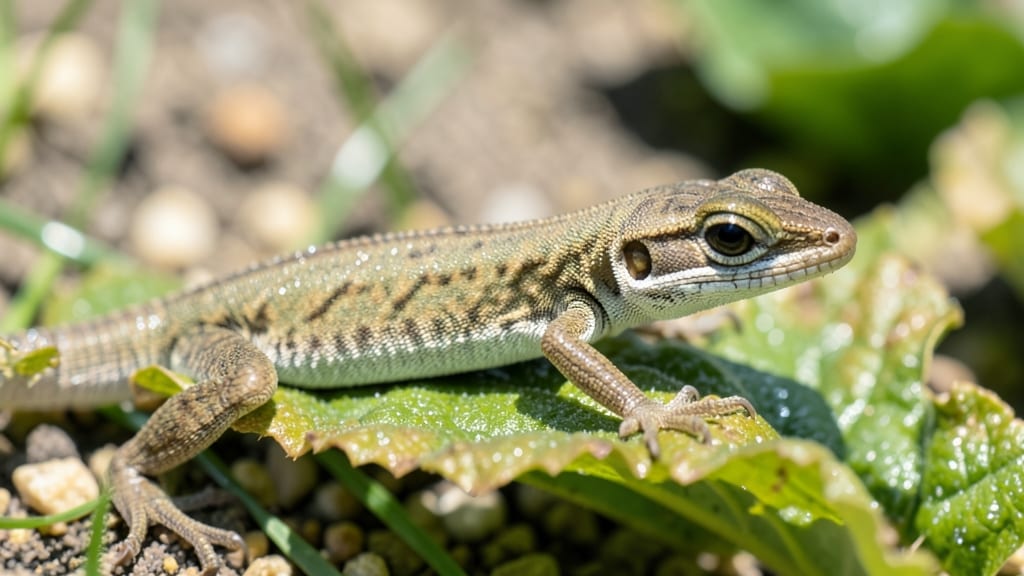
Common garden lizards include small, slender reptiles like anoles, skinks, or geckos, often recognized by their smooth scales, bright colors, or unique markings. These active creatures thrive near plants, rocks, or sunny garden areas during warm weather.
These backyard reptiles are more than just quick movers—they're nature's pest controllers, feasting on insects like aphids and spiders that plague gardens. 🌿 The green anole, for example, often sports a dewlap (a throat fan) that changes color with mood, while skinks may shed their tails as a defense mechanism.
Their presence usually means your garden has a healthy ecosystem, as they prefer areas with plenty of hiding spots and basking rocks.
If you're trying to identify them, focus on their behavior: quick darting movements, frequent sunbathing, and the occasional shed skin left behind. Many gardeners welcome them for their bug-eating habits, though some may prefer to keep them at bay if they're after your prized tomatoes.
Understanding their habits helps you decide whether to encourage or gently relocate them.
💡 In This Article
- Physical Traits of Garden Lizards by Species
- Where and When to Spot Garden Lizards
Physical traits of garden lizards by species
Garden lizards exhibit striking differences in body structure that help identify them at a glance. Anoles, like the common green anole, typically measure 4-8 inches long with slender bodies and long, whip-like tails that can grow up to 1.5 times their body length.
Their tails are often 30-40% of their total length, designed for balance and rapid escape. In contrast, skinks such as the eastern fence lizard have more robust, stocky builds with shorter tails (about 20-30% of body length) and thicker limbs built for digging.
Their scales tell another story. Anoles have smooth, almost glass-like scales that reflect light, while skinks often sport granular scales with a slightly rough texture—almost like fine sandpaper.
Geckos, another garden visitor, take this further with sticky toe pads covered in microscopic hairs called setae, allowing them to cling to vertical surfaces.
Color patterns also vary dramatically: green anoles display iridescent green backs with white stripes, while blue-tailed skinks flaunt bright blue tails that contrast with their brown bodies.
Regional adaptations create fascinating variations. In the Southeastern U.S., green anoles dominate due to their camouflage in leafy habitats, while blue-tailed skinks thrive in the Western states with their sunlight-reflecting scales that help regulate body temperature.
Habitat plays a crucial role—lizards in arid regions often develop lighter, sand-colored scales to blend in, whereas those in tropical gardens may sport vibrant greens or reds to signal toxicity or attract mates.
These adaptations aren't just for show; they directly impact survival rates by influencing predator avoidance and thermoregulation.
One of the most fascinating traits is their color-changing ability. Male anoles can shift from bright green to brown or gray in seconds through specialized cells called iridophores and chromatophores that adjust pigment distribution. This isn't just for mood—it's a communication strategy during mating season or territorial disputes.
Meanwhile, skinks use their tail color as a warning signal: when threatened, they may flash their blue tail to startle predators, then drop it entirely if grabbed—a survival tactic that regrows (though never perfectly) over 6-8 weeks.
Scale texture also reveals ecological roles. Smooth-scaled lizards like anoles are better at rapid movement through foliage, while rough-scaled species often burrow or climb rocky surfaces.
This difference affects their diet specialization: smooth-scaled lizards typically hunt insects and spiders, while rough-scaled varieties may consume smaller vertebrates or plant matter. Understanding these traits helps gardeners predict which species will thrive in their space—and whether they'll be allies or occasional nuisances.
Here's a quick visual guide to key differences:
- Anoles: Slender bodies, long tails, smooth scales, color-changing ability (green/brown)
- Skinks: Stocky build, shorter tails, granular scales, bright tail flashes (blue/orange)
- Geckos: Sticky toe pads, round bodies, nocturnal habits, mottled patterns
What most people don't realize is how these physical traits directly tie to their ecological impact. A garden with anoles will likely have fewer flying insects, while skinks may indicate healthier soil ecosystems due to their digging habits.
Paying attention to these details transforms casual observation into actionable gardening knowledge—whether you're encouraging these tiny predators or simply admiring nature's craftsmanship. 💫