
Size
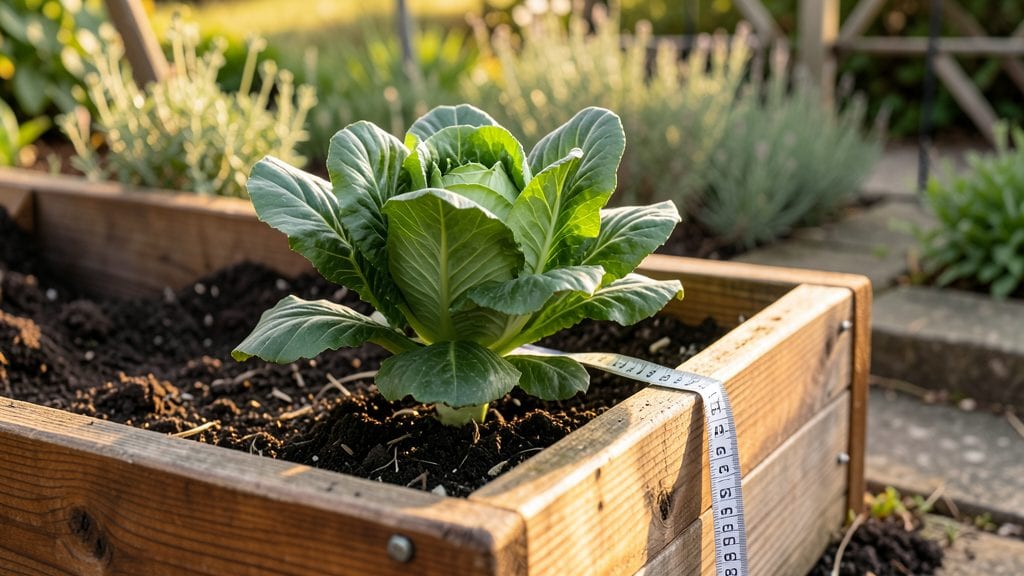
To determine how tall a raised garden should be, aim for 6 to 12 inches for most vegetables and herbs, which supports healthy root development while maintaining soil warmth and accessibility. For deeper-rooted plants like carrots or potatoes, extend the height to 18-24 inches, while taller beds (24+ inches) enhance drainage and reduce strain for gardeners.
A raised garden's height directly impacts plant growth and your comfort.
Shallow-rooted plants like lettuce or basil thrive in beds just 6-12 inches deep, where soil stays warm and moisture is easier to manage. 🌱 Meanwhile, deeper beds (18-24 inches) give root vegetables like parsnips or sweet potatoes the space they need to develop fully.
The extra height also helps with drainage, preventing waterlogging during heavy rains. For taller gardeners, beds over 24 inches can reduce back strain while still maintaining good soil quality.
💡 In This Article
- Optimal Raised Garden Bed Height for Root Depth and Soil Health
- Accessibility and Practical Considerations for Raised Garden Design
Optimal raised garden bed height for root depth and soil health
Here's what's actually happening below the soil surface: root systems dictate the minimum depth your raised bed needs. Shallow-rooted plants like basil or thyme only need about 6-12 inches because their roots spread horizontally rather than vertically.
These plants absorb nutrients from the top 6 inches of soil where microbial activity is most concentrated. The science behind this involves how oxygen and water diffuse through soil particles—deeper beds don't help shallow roots but can actually create anaerobic zones where roots suffocate.
Deep-rooted vegetables tell a different story. Carrots, for example, need 12-18 inches of loose, stone-free soil to develop properly—any less and they'll fork or grow stunted.
The key factor here is how soil compaction increases with depth; at 12+ inches, you create an ideal gradient where surface soil stays loose for seedling emergence while deeper layers provide the structural support roots need to penetrate. 🌱 What most people don't realize is that soil temperature also varies with depth: surface soil warms faster in spring, which is crucial for germinating seeds, while deeper layers maintain more consistent moisture levels during summer droughts.
Soil health gets more complex with height. Deeper beds (18-24 inches) create vertical ecosystems where different microbial communities thrive at various depths. The top 6 inches contain the most organic matter and beneficial bacteria, while deeper layers become more mineral-rich.
This stratification supports nutrient cycling—plant roots access different minerals at different depths, creating a more balanced diet. However, there's a trade-off: beds over 24 inches can develop waterlogged bottom layers unless you incorporate drainage solutions like gravel or perforated liners.
Consider these practical implications for your garden design:
- Herbs and greens: 6-12 inches is ideal—these plants prioritize rapid growth over deep roots
- Root vegetables: 18-24 inches prevents forking and supports full development
- Tomatoes and peppers: 12-18 inches balances root depth with soil warmth
- Asparagus and rhubarb: 18+ inches needed for perennial root systems
The moisture retention advantage becomes clear when comparing 12-inch vs 24-inch beds. A 12-inch bed loses moisture 30% faster in dry conditions because surface area exposure is greater relative to volume. Meanwhile, deeper beds maintain more consistent moisture levels, which is why they're better for drought-prone regions.
The trade-off? Deeper beds require more initial soil volume—about 3 cubic feet per square foot for a 24-inch bed versus 1.5 cubic feet for a 12-inch version.
What most gardeners overlook is how bed height affects soil temperature profiles. Surface soil in 6-inch beds can fluctuate 20°F between day and night, while 24-inch beds maintain temperatures within 5°F of the average.
This stability extends the growing season by 2-3 weeks in cooler climates, allowing you to plant earlier in spring or later in fall. For heat-loving plants like peppers, this consistency is crucial for fruit development.